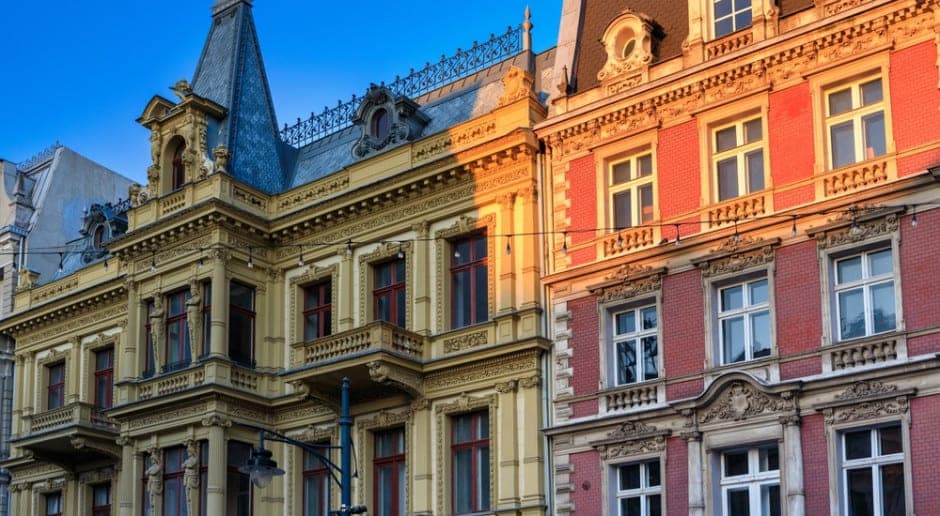
Overview of the Łódź Housing Strategy
The city of Łódź, Poland, through its municipal council, has adopted a comprehensive housing strategy for the period 2025‑2030. The plan, documented by the portal PortalSamorządowy, outlines a dual focus on expanding the housing stock with new construction and improving existing dwellings, while simultaneously reducing the overall number of units to promote consolidation and privatisation. The initiative is part of a broader municipal policy aimed at addressing housing affordability, modernising aging building stock, and enhancing sustainability in the urban environment.
New Construction and Renovation Targets
By 2030 Łódź intends to build 1 500 new apartments and renovate 2 200 existing flats. The renovation programme targets 125 municipal buildings, upgrading their energy performance and living conditions. Buildings deemed beyond repair—149 structures identified as being in the worst technical state—will be demolished, with the cleared sites earmarked for new development by either the municipality or private investors. The overall aim is to create a more efficient, climate‑responsive housing stock.
Planned Reduction of Total Housing Units
The strategy includes a deliberate reduction of the city’s housing inventory from the current 37 579 units to approximately 30 000 units. This downsizing will be achieved through the merging of properties, selective sales, and the demolition of the most deteriorated buildings. The reduction is intended to improve the quality of the remaining dwellings and to facilitate a gradual privatisation process, especially for assets where the municipality holds less than a 50 % share.
Rental‑Rate Adjustments and Social Support
The council has introduced a tiered system of rent adjustments to support vulnerable households while incentivising energy‑efficient upgrades. Tenants lacking basic amenities such as a private WC, central heating, or elevator access (for flats above the fourth floor) receive rent discounts ranging from 5 % to 30 %. The maximum discount is capped at 60 %. Conversely, occupants of newly revitalised buildings may face rent increases up to 20 %, reflecting the higher quality and maintenance costs of upgraded units. Additional social measures include housing allowances and repayment schemes for arrears.
Financial and Operational Outlook
The programme foresees the sale of roughly 400 municipal apartments per year, a figure that has sparked debate among council members regarding its feasibility. In 2023 the city reported around 10 000 vacant units and a waiting list for municipal housing exceeding ten years, underscoring the urgency of both expanding supply and improving allocation efficiency. The council’s vote on the strategy concluded with 24 votes in favour, five against, and two abstentions.
Stakeholder Perspectives and Criticisms
Councilors expressed divergent views on the plan’s impact. Some, such as Marcin Buchali (PiS), welcomed the potential for improved living standards, while others, including independent member Kosma Nykiel, warned that rent hikes in revitalised buildings could burden displaced tenants. Tomasz Kacprzak (PO) highlighted the need for dedicated units for young adults and students, stressing that overall housing quantity does not guarantee accessibility for all demographic groups.
Implementation Timeline and Monitoring
The strategy is set within a quarterly refresh cycle, with the next review scheduled for Q3 2026. Ongoing monitoring will track progress on construction, demolition, rent adjustments, and privatisation targets, ensuring alignment with the city’s long‑term sustainability and social equity objectives.