Context and Publication
The article, published by the Irish Examiner as part of its Spotlight series, examines Cork City Council’s social‑housing portfolio, tracing its evolution from historic Madden’s Buildings to a contemporary target of 3,000 new homes. The piece is authored by staff journalists specialising in Irish housing policy and urban development, drawing on council data and recent planning decisions.
Historical Background
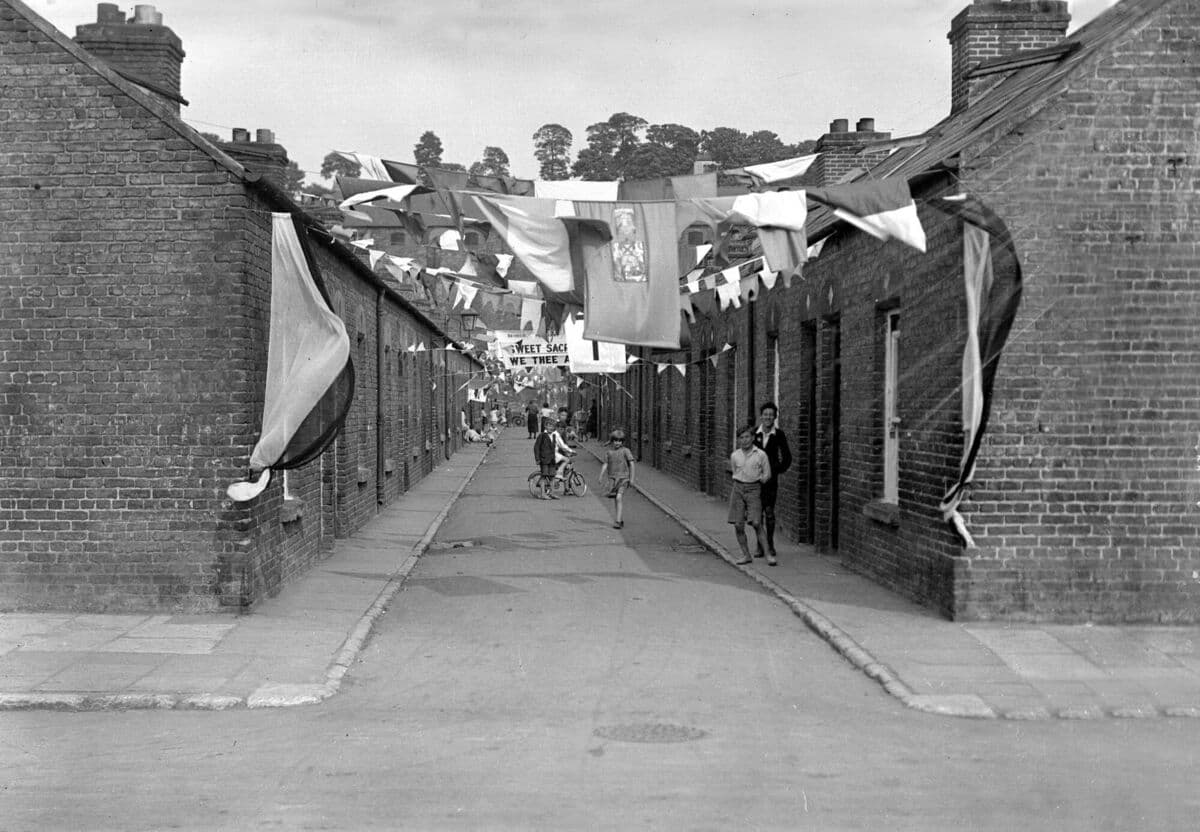
Cork’s municipal housing began in the early 20th century with the construction of Madden’s Buildings, a landmark public‑housing block that set a precedent for council‑led accommodation. Over the decades, the council expanded its stock, responding to post‑war shortages and later to the pressures of urban regeneration.
Current Housing Targets
The council now aims to deliver approximately 3,000 new sustainable homes over the next decade. This ambition aligns with Ireland’s broader national housing strategy, which seeks to increase the supply of affordable, energy‑efficient dwellings to curb rising rents and homelessness.
Sustainability Features
New developments are planned to meet stringent energy‑performance standards, incorporating passive‑house design, renewable‑energy installations and high‑efficiency heating systems. Materials are sourced locally where possible to reduce embodied carbon, and waste‑reduction measures are embedded in construction contracts.
Vacancy and Allocation Data
Recent council reports indicate a vacancy rate of under 5 % across existing social‑housing units, reflecting high demand. Allocation priorities focus on low‑income families, households displaced by redevelopment, and individuals experiencing housing insecurity.
Policy and Funding Framework
Funding for the 3,000‑home programme combines central‑government grants, European Union recovery funds and local authority capital budgets. The initiative is supported by the National Housing Strategy, which encourages public‑private partnerships and the use of modular construction to accelerate delivery.
Implementation Timeline
The council’s rollout plan stages construction in three phases: an initial 1,000 homes within the first five years, followed by two further tranches of 1,000 homes each. Early‑stage projects are concentrated in the city centre and surrounding suburbs, with a focus on mixed‑use neighbourhoods that integrate social housing with commercial and community amenities.
Community Impact
Stakeholder consultations have highlighted strong community support for environmentally friendly housing that also provides social cohesion. Residents anticipate benefits such as reduced energy bills, improved indoor air quality and enhanced public spaces.
Future Outlook
If the programme meets its targets, Cork City Council will significantly increase the proportion of sustainable, affordable homes in the region, contributing to Ireland’s climate‑action goals and offering a model for other European municipalities seeking to balance housing demand with environmental responsibility.