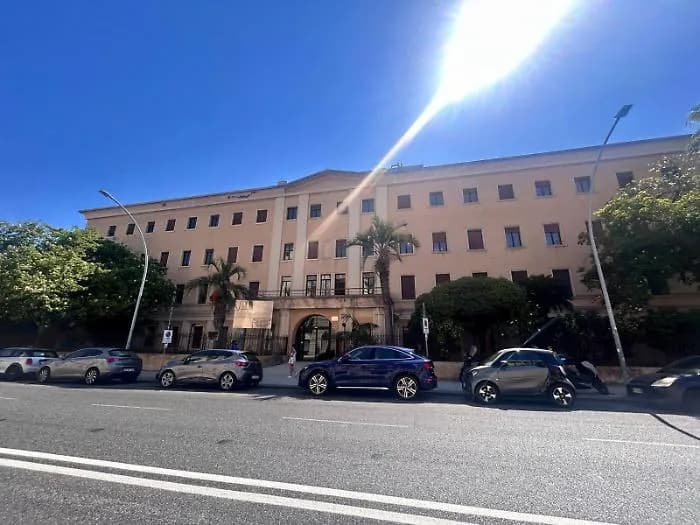
Overview of the Housing Crisis in Messina
The article, published by La Sicilia and authored by journalist Francesco Triolo, examines the acute shortage of student accommodation in Messina, Sicily. It highlights how rising rents and limited public housing options are creating a severe affordability problem for students, prompting protests from student unions Udu and Sunia.
Key Statistics on Student Demand and Supply
In the most recent academic year, more than 1 700 students applied for university housing, yet fewer than 300 were allocated a public place. The city’s estimated need stands at approximately 2 286 beds. Planned projects such as Zanklon would add 1 835 beds, but these are tied to private‑sector developments that many student groups consider unaffordable. Nationally, the regional Housing Plan and PNRR funds earmark 5 074 new student beds across Sicily, with about a thousand expected in Messina in the short term.
Rising Rental Costs and Market Pressures
Student organisations report that private rooms can now cost up to €600 per month, representing a rise of up to 45 % over recent years. The private market is described as increasingly inaccessible, with “black‑market” rents and a lack of legal protections for tenants. This situation is compounded by a municipal council decision that approved the “Policlinico” project while rejecting alternative housing schemes labelled “Centro” and “Archimede”.
Institutional Responses and Funding Initiatives
The regional government’s Housing Plan, supported by PNRR resources, aims to address the shortage through new construction and the revitalisation of existing properties. However, student representatives argue that the current proposals do not sufficiently prioritise affordable, publicly managed accommodation. They call for the reopening of the Casa dello Studente and the repurposing of unused municipal real estate to create genuinely accessible rents.
Voices of Student Unions and Advocacy Groups
Mariafrancesca Pellizzeri, coordinator of Udu Messina, stresses that the housing emergency must become a political priority, noting that thousands of students remain without beds and face unaffordable markets. Claudio Vallone, secretary of Sunia Messina, echoes this demand, urging a long‑term public housing strategy that serves both students and the wider community, rather than catering only to affluent renters.
Sustainable Housing Implications for Europe
The Messina case illustrates broader challenges for sustainable urban housing in Europe: balancing rapid student population growth with affordable, energy‑efficient accommodation; ensuring public investment complements, rather than supplants, private development; and safeguarding tenant rights amid market pressures. The data underscore the need for coordinated policy frameworks that integrate housing supply, financial sustainability, and social equity.