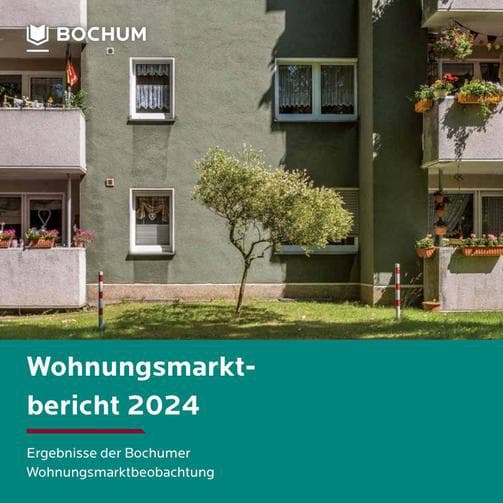
Overview of the Report and Its Origin
The Bochumer Wohnungsmarktbericht is a bi‑annual publication produced by the Mieterverein Bochum, a tenant‑rights association representing renters in the city of Bochum, Germany. Authored by Martin Krämer, the report synthesises official municipal data and the association’s own analyses to present a comprehensive picture of the housing market, focusing on rent developments, availability of social housing, and the condition of the existing building stock.
Current Market Pressures and Rent Growth
Between 2014 and 2023 the average net cold rent for new offers in Bochum rose to €8.31 per m², marking a 47 percent increase. The market is described as “nearly all sub‑segments even tighter than the previous year”, with experts warning of sustained high planning and construction costs that will keep rents elevated for the next two to five years.
Mobility and Vacancy Indicators
In 2023 only 55 moves per 1,000 inhabitants were recorded, totalling roughly 20,700 internal relocations, signalling very low turnover and a tight supply. The city’s vacancy stock stands at 7,150 units, a 3.6 percent vacancy rate, largely due to unrenovated private‑rental properties that are effectively unlet.
Social Housing Decline and Future Outlook
The number of subsidised dwellings is projected to fall to about 9,000 by 2033, a 27 percent reduction from today. Over the past decade the social‑housing stock has already shrunk by 2,000 units, despite a modest 2023 increase caused by a one‑off acquisition of 478 apartments by the state of North Rhine‑Westphalia.
Energy Efficiency Challenges
More than 70 percent of Bochum’s apartments are older than 50 years, and a November 2024 study identified 80.6 percent of sampled buildings in the poorest energy‑efficiency classes (E‑H). High energy prices—up 14.2 percent in 2023—exacerbate affordability pressures for low‑income households living in these inefficient homes.
Renovation Needs and Problem Properties
The city’s ageing building stock presents both risks of abandonment and opportunities for refurbishment. Approximately 181 properties have been classified as “problem buildings”, yet systematic data collection is lacking, leading to gaps between the tenant union’s reports and municipal records. Targeted modernisation funding from the state is available to improve the condition of these dwellings.
Forecasts and Policy Implications
Experts anticipate continued market tightness, driven by high land, planning and financing costs. The report underscores the importance of expanding affordable housing, accelerating senior‑friendly accommodations, and implementing large‑scale energy‑efficiency upgrades to meet both social and climate goals across the region.