Overview of the Article and Its Origin
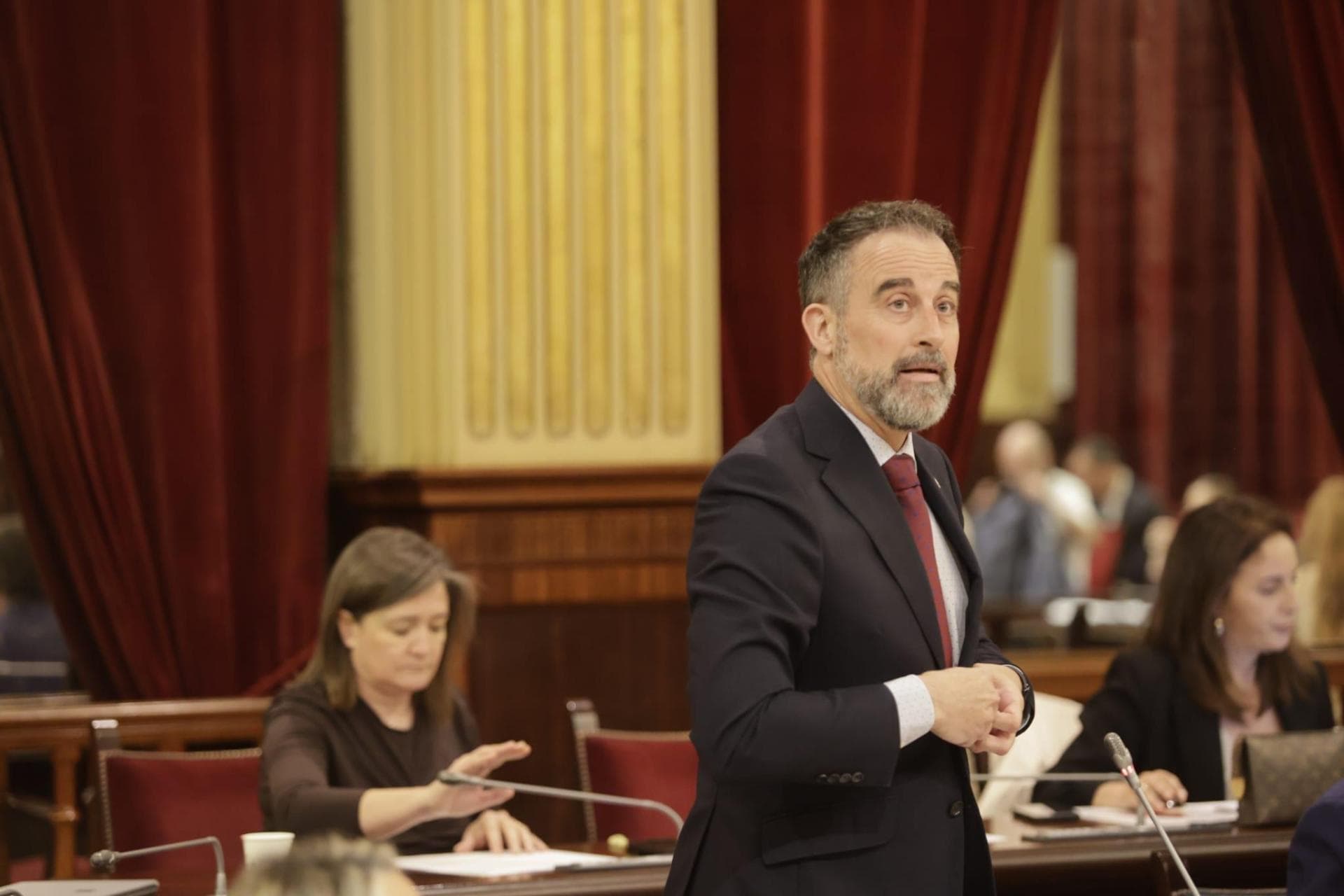
The piece, authored by journalist Nekane Domblás and published in Ultima Hora, a prominent newspaper covering the Balearic Islands, examines the regional government’s objection to perceived interference by Spain’s central administration in the islands’ housing policy. The article draws on statements from the Balearic Housing Minister José Luis Mateo and outlines the political tension surrounding the State Housing Plan 2026‑2030, which earmarks €168 million for the Balearic archipelago.
State Housing Plan and Regional Funding
The State Housing Plan, approved by the Council of Ministers, allocates a total of €168 million for housing initiatives in the Balearic Islands. Of this amount, the Balearic Government contributes €67.5 million, representing roughly 40 % of the total funding. The regional authority argues that while the State multiplies its contribution threefold, the autonomous communities are forced to increase their own share sevenfold, creating an imbalance in financial responsibility.
Autonomy and Decision‑Making Power
Minister Mateo stresses that the Balearic Government should retain full discretion over how the €168 million is spent, citing exclusive competencies reserved for autonomous communities. He contends that the central government’s stipulation that funding be conditioned on adherence to a national housing law infringes on regional autonomy and jeopardises locally‑tailored solutions.
Housing Market Pressures and Rental Caps
A key point of contention concerns the national proposal to cap rental prices at €1,000 per month, which the Balearic Government deems “out of market” for the islands. Mateo advocates raising the ceiling to at least €1,200, reflecting the higher cost of living and limited housing supply in the archipelago. The regional administration argues that current caps hinder investment and exacerbate the housing shortage.
Specific Measures Proposed by the Balearic Government
The Balearic plan focuses on expanding housing supply and builds on measures approved by the Balearic Parliament in July. It does not incorporate the central government’s rental‑price limits, instead prioritising local market conditions. The region also highlights the need for a “hands‑free” approach, allowing it to allocate funds without external constraints.
Political Dialogue and Upcoming Negotiations
The article notes that the last meeting between regional and central officials occurred on 2 October, after which communication stalled. Both sides acknowledge the urgency of the housing crisis, but the Balearic Government insists on a bilateral negotiation following the plan’s publication in the Boletín Oficial del Estado to finalise aid programmes.
Key Figures at a Glance
- Total State‑allocated housing budget for the Balearics: €168 million
- Balearic contribution: €67.5 million (≈40 %)
- Proposed national rental cap: €1,000/month (Balearics demand ≥ €1,200)
- Date of minister’s statement: 21 April 2026
Outlook for Sustainable Housing Policy
For a pan‑European audience interested in sustainable housing, the article illustrates the challenges of aligning national housing strategies with regional autonomy, especially in insular contexts where market conditions differ markedly. The Balearic Government’s push for greater control over funding allocation aims to tailor housing development to local sustainability goals while resisting one‑size‑fits‑all national directives.