Overview of the 2026 Romania Housing Annex
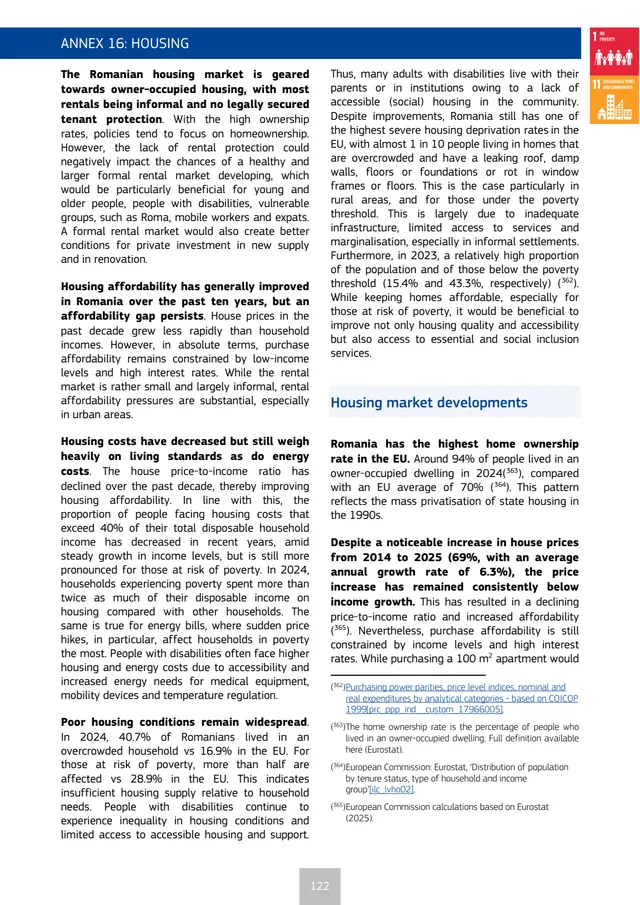
The European Commission’s 2026 Romania Housing Annex presents a comprehensive policy analysis of Romania’s housing market, focusing on tenure structures, affordability, social housing, and sustainability. Produced by the Commission’s housing unit, the document compiles data from Eurostat, national statistics and recent studies to inform EU‑wide housing policy and cohesion funding.
Ownership Dominance and Rental Market Challenges
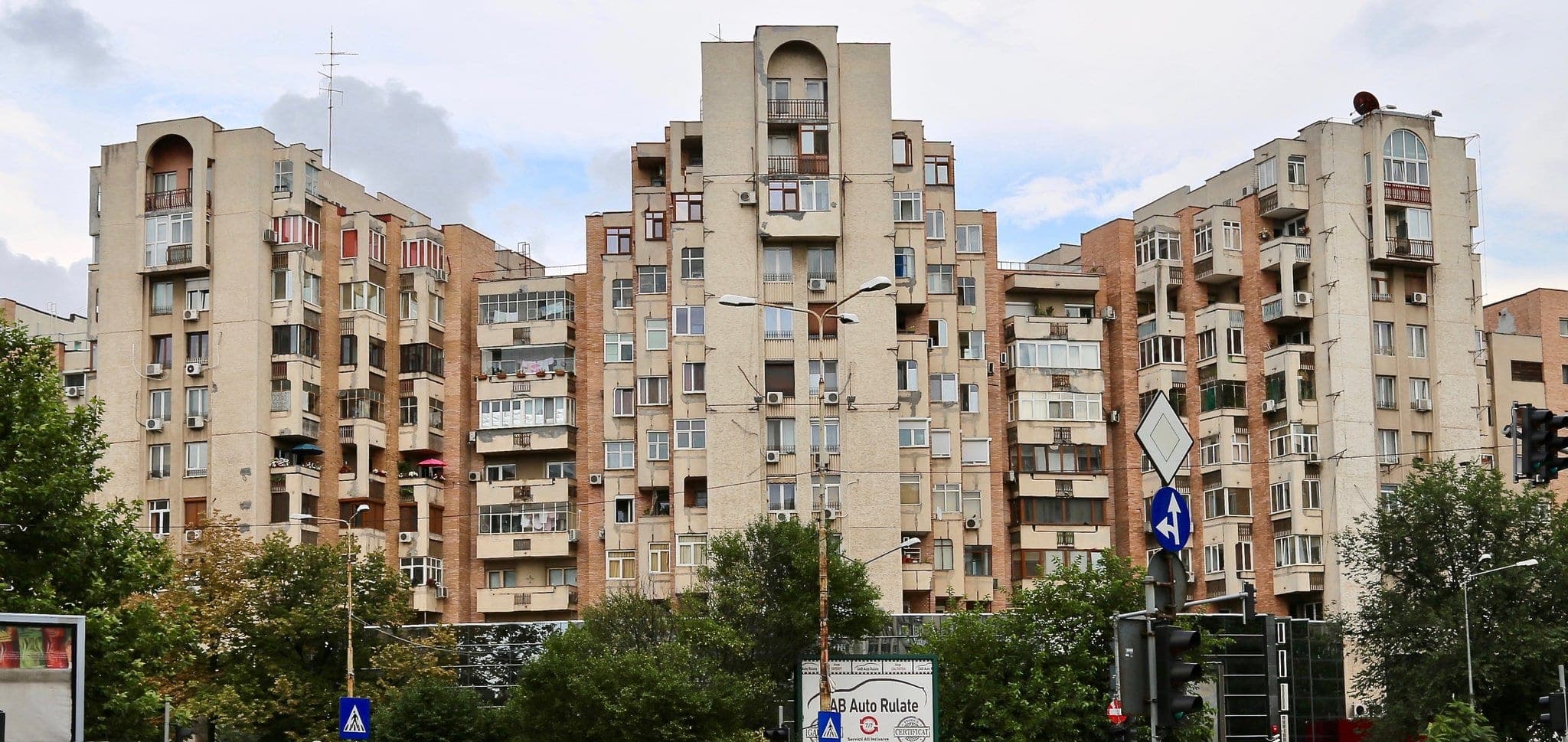
Romania exhibits the highest home‑ownership rate in the EU, with about 94 % of households living in owner‑occupied dwellings in 2024. Formal rentals account for only around 6 % of the stock and are largely informal, lacking legal tenant protection. This results in high rental affordability pressures, especially in urban areas where rents for modest 25 m² units can consume two‑thirds of average incomes.
Affordability Trends and Income Gaps
Despite house‑price growth of 69 % between 2014 and 2025 (average 6.3 % per year), income growth has outpaced price increases, leading to a declining price‑to‑income ratio. Nevertheless, purchase affordability remains constrained by low incomes and high interest rates. In 2024, households in poverty spent more than twice the share of disposable income on housing compared with non‑poor households, and energy costs further exacerbate the burden.
Disability, Overcrowding and Housing Quality
People with disabilities face higher housing and energy costs due to accessibility needs. Overcrowding affects 40.7 % of the population, rising to over 50 % among those at risk of poverty, far above the EU average of 16.9 %. Severe housing deprivation—overcrowding combined with structural defects—affects nearly one in ten Romanians, particularly in rural and impoverished areas.
Social and Public Housing Shortfalls
Public and social housing represent a minimal share of the total stock: only 1.46 % is publicly owned, and social housing accounts for roughly 0.018 % of national dwellings. Local authorities manage about 14.4 % of the social housing units, totaling 18 292 homes. The 2022‑2030 national housing strategy aims to deliver around 40 000 social units by 2050, highlighting a substantial gap between supply and demand.
Construction Workforce and Building Regulations
Romania faces labour shortages in construction trades, though these are below the EU average. Shortages in skilled workers, combined with rising construction costs since 2021, hinder new‑build and renovation projects. Recent reforms update seismic standards and energy‑efficiency regulations, yet enforcement of accessibility and quality standards remains uneven.
Sustainable Housing Initiatives and Funding
The EU Cohesion Policy allocates over €190 million to social inclusion and dignified housing programmes, plus an additional €206 million for social housing. The Romanian Recovery and Resilience Plan (RRP) supports affordable housing for vulnerable groups, energy‑efficient construction, and the renovation of existing stock. Technical Support Instruments aim to improve data collection, beneficiary allocation, and regulatory frameworks for social housing.
Market Dynamics and Future Outlook
Short‑term rental growth surged 120 % between 2019 and 2024, the highest increase in the EU, potentially tightening long‑term rental supply. Building permits have declined since 2022, though a modest rebound began in early 2024. Vacancy rates remain relatively high, but mismatches between urban demand and rural vacant homes persist.
Key Data Snapshot
- Home‑ownership rate: ~94 % (2024)
- Formal rental share: ~6 %
- Overcrowding: 40.7 % of population (2024)
- Social housing stock: 0.018 % of national total
- Mortgage‑backed ownership: 1.5 % (EU average 22 %)
- Rental affordability: rents can exceed two‑thirds of income for small units This summary provides a factual snapshot of Romania’s housing landscape as detailed in the 2026 Annex, highlighting challenges and policy responses relevant to a pan‑European audience interested in sustainable and inclusive housing.