Loading...
Bregenz addresses affordable and sustainable housing mainly through regional and federal programs, given Austria’s strong tradition of non-profit and municipal housing. The city administration closely collaborates with the State of Vorarlberg, which pioneered requirements for all new social housing to meet the passive house standard—ensuring highly energy-efficient, low-emission construction and long-term affordability via reduced energy costs. The passive house mandate has been in place since 2007, making Bregenz and the region a leading example of sustainable social housing practices.
Financial incentives play a crucial role: the amount of state support for building projects increases with their sustainability score, favoring ecological construction, energy-efficient design, and renewable energy integration. The Energy Institute Vorarlberg is a key local partner, offering expertise in sustainable building and supporting both renovations and new construction aligned with best environmental practices.
Recent targets emphasize maximizing the energy efficiency of both new builds and renovations, as well as promoting circular building practices and the use of renewable energy. Cities like Bregenz benefit from the broader Affordable Housing Initiative of the EU’s “Renovation Wave,” which backs projects that combine affordability with sustainability and aims to replicate exemplary districts through pilot programs.
Specific activities include expanding the stock of passive and low-energy social housing, modernizing existing units for better energy performance, and integrating sustainable urban development principles—like higher density, mixed-use neighborhoods, and revitalization of vacant spaces—within city planning. These efforts are supported by a combination of direct subsidies, technical assistance, and partnerships with non-profit housing providers.
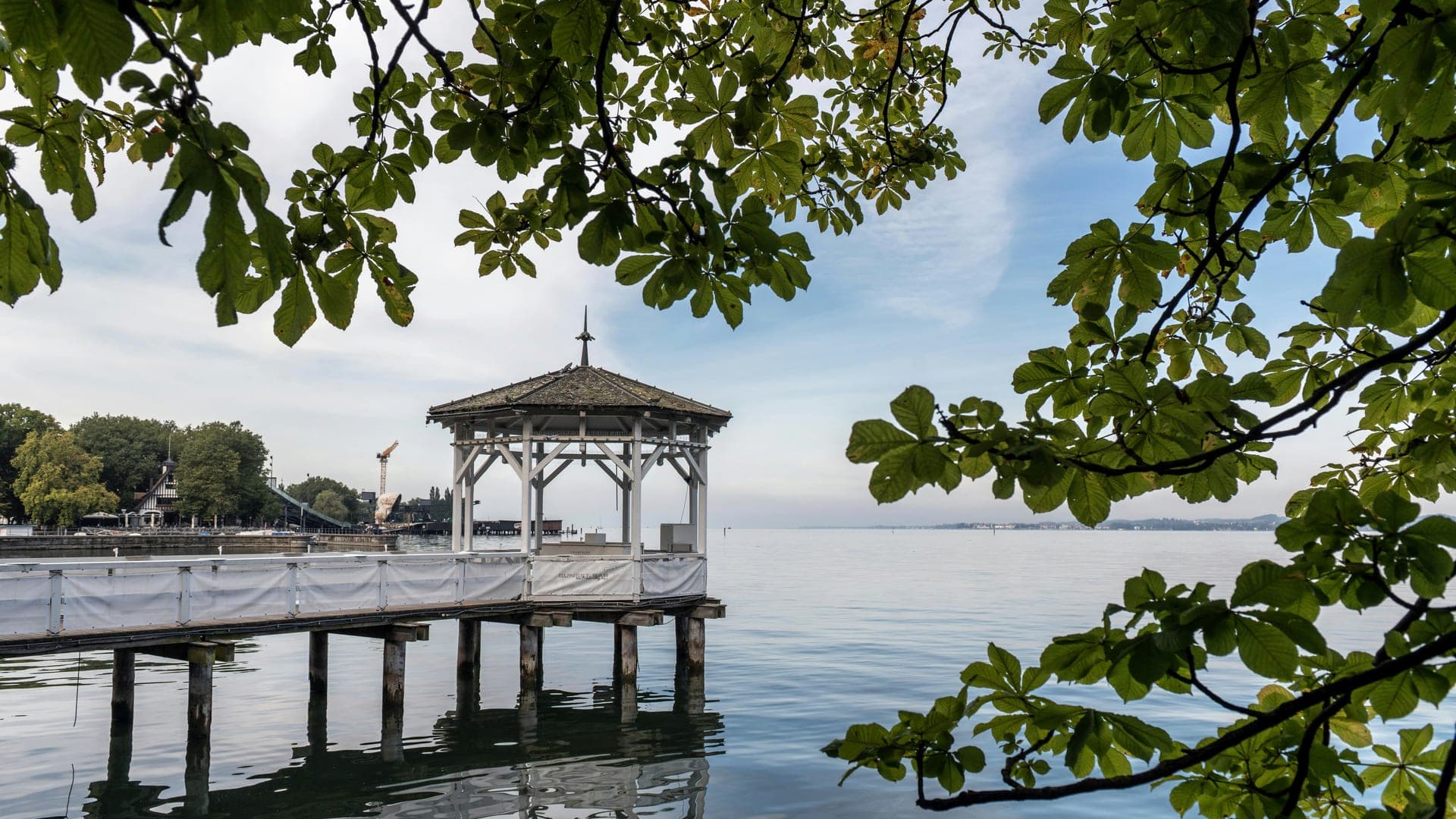
Bregenz, located on the banks of Lake Constance, is experiencing increased property demand due to its attractive natural setting and vibrant cultural life. The city has just under 30,000 inhabitants, with a substantial share of its population commuting for work. Renting is prevalent in Bregenz, in line with Austrian urban trends, where about 50–60% of households rent their homes, while the ownership rate is estimated around 40–50%.
Recent market figures indicate that the median price to buy an apartment in the Bregenz district is approximately 5,000 to 6,000 euros per square meter, with houses averaging around 796,000 euros. Median rental prices for apartments are estimated at 12–16 euros per square meter per month, depending on size and location.
Publicly owned housing is significant in Bregenz, as in much of Austria. Public housing, often referred to as "Gemeindewohnungen" or municipal housing, is managed by the city or regional authorities, and makes up a substantial part of the affordable rental market. Social housing is a broader term, encompassing both publicly owned housing and privately built properties operated by non-profit associations under government regulation. In Bregenz, public and social housing overlap considerably, though social housing may include additional private non-profit initiatives.
Overall, the housing market in Bregenz is competitive, with steady demand and ongoing investment in infrastructure and attractive cultural amenities sustaining interest in both renting and property ownership.