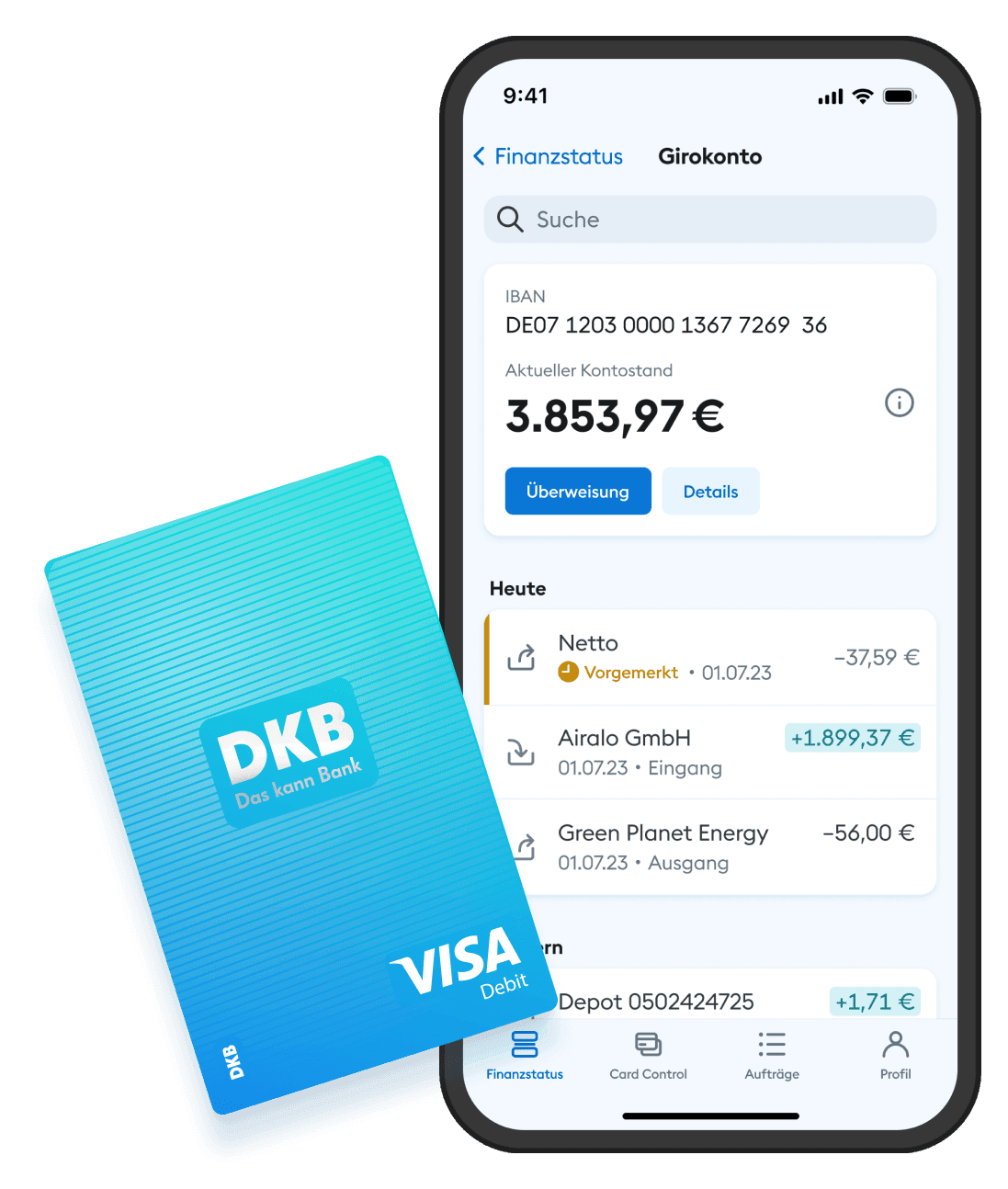
Deutsche Kreditbank AG, commonly known as DKB, is a major German direct bank headquartered in Berlin. Founded in 1990, DKB initially operated as the first private bank in post-reunification East Germany. It has since evolved into one of the largest digital banks in Germany, serving approximately 5.8 million customers and reporting total assets of €131.4 billion as of December 2024. The bank is wholly owned by Bayerische Landesbank (BayernLB), which ensures a substantial foundation and public-sector backing.
DKB’s core business rests on two main pillars. As a digital direct bank, it offers private customers nationwide access to a robust range of online banking services, including current and savings accounts, loans, credit cards, and brokerage services. Its commercial banking arm caters to municipal clients and companies, especially in sectors such as energy, housing, health care, and public infrastructure, with personal advisory services provided through 26 branch locations across Germany.
The bank is recognized for its early adoption of digital banking and for being among the leading German financiers of renewable energy projects. Since the late 1990s, DKB has provided loans supporting wind, solar, and bioenergy sectors, reflecting its stated commitment to sustainable finance. Current activities also include issuing green and social bonds—refinancing projects with ecological or social impact like healthcare facilities and schools.
DKB’s model relies predominantly on the German market, with no notable international expansion, and maintains a transparent structure underpinned by its parent’s state ownership.