Overview of the Report
The document “État des lieux et besoins en logements étudiants en Occitanie” is a comprehensive study commissioned by DREAL Occitanie, the regional directorate for the environment, planning and housing. Produced in 2023, the report compiles data from the CROUS, INSEE, OTLE observatories, and regional housing agencies to map the quantity and quality of student accommodation across the Occitanie region of southern France. It serves as a reference for policymakers, local authorities and housing providers aiming to improve sustainable student housing.
Regional Housing Landscape
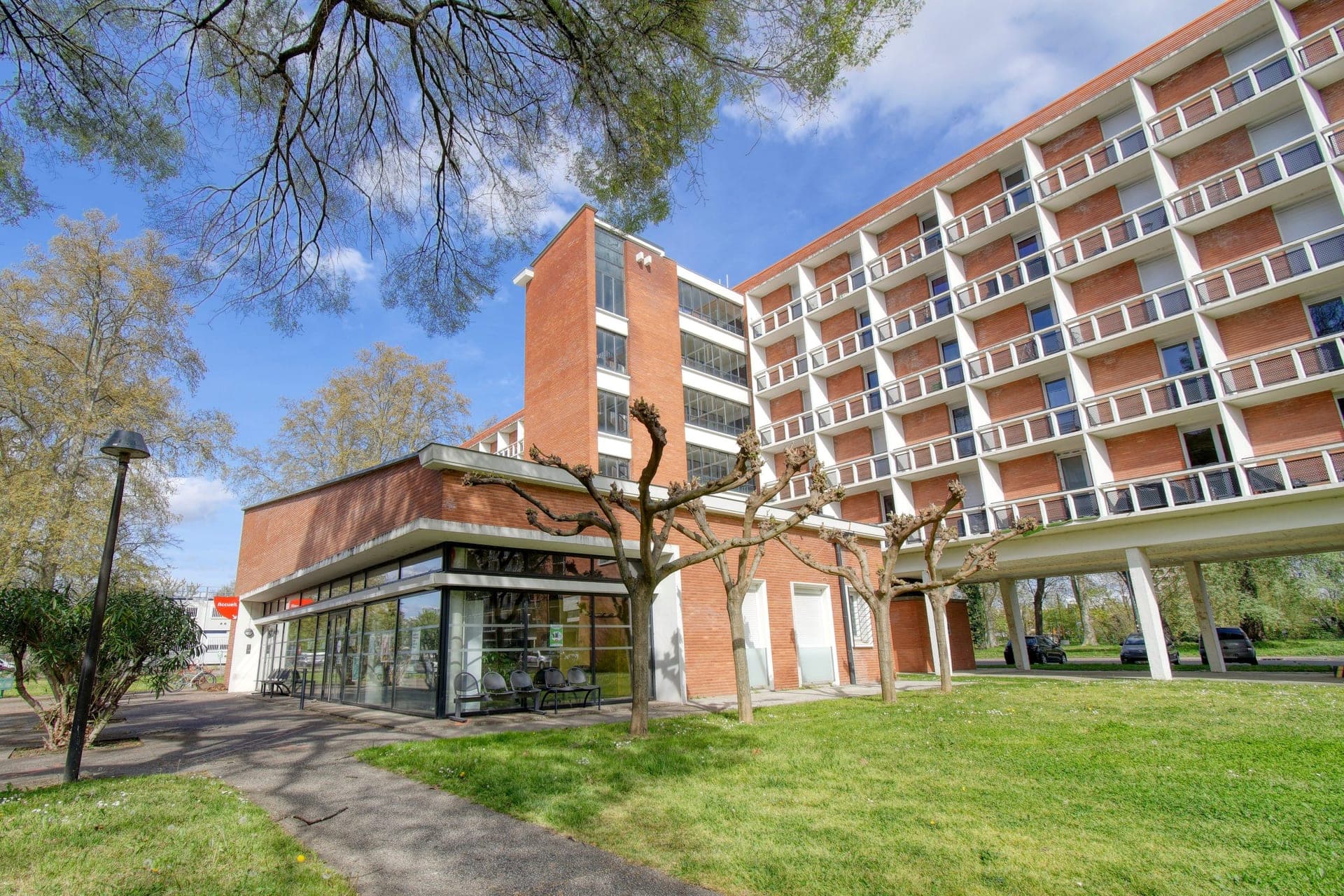
Occitanie hosts approximately 267 000 students (2022 enrolment), of which around 136 000 live away from home. The region’s total stock of student‑dedicated housing amounts to about 22 085 CROUS‑managed places (10 120 in Toulouse, 11 965 in Montpellier) plus 12 361 social rental units earmarked for students, and an estimated 59 649 dedicated units when private student residences, foyers, and mixed‑use buildings are included. Adding the diffuse private market, the total potential supply reaches roughly 109 650 units, leaving a shortfall of about 27 000 homes for student occupants.
Key Capacity Figures
- CROUS capacity covers 8 % of all students and 25 % of boursier (grant‑receiving) students, well above the national averages of 6 % and 21 %.
- In Toulouse, CROUS places represent 7.1 % of the academy’s total student body (146 229) and 23.6 % of boursiers (44 207).
- In Montpellier, the figures are 8.3 % of the academy’s total (124 177) and 25.6 % of boursiers (40 373).
- Projected needs for the next five years amount to 1 400 new CROUS places in Montpellier, 220 in Nîmes and 2 000 in Toulouse to approach the national target of housing 10 % of students in CROUS facilities.
Sustainability and Energy Performance
The study highlights that 9.8 % of the student housing stock is classified as “very energy‑inefficient” (DPE F or G). These poorly performing units are concentrated in rural departments and smaller university towns (VUE – Villes Universitaires d’Équilibre). Improving the energy rating of existing buildings is identified as a priority alongside the construction of new, low‑carbon residences.
Vacancy and Turnover Trends
Social rental student housing shows a turnover rate of 43.3 % (January 2022) and a vacancy rate of 5.1 %, both markedly higher than the overall social rental market (turnover 10.3 %, vacancy 3.5 %). In the CROUS sector, occupancy rates for 2022 were 92.8 % in Montpellier, 89.0 % in Nîmes and 82.4 % in Perpignan, indicating strong demand but also regional disparities.
Geographic Distribution of Supply
- Montpellier Méditerranée Métropole (3M) records 15 775 dedicated student units and a further 7 672 private or mixed‑use homes.
- Toulouse Métropole hosts 14 000 dedicated places, with 31 000 total student accommodations identified across its 14 intercommunalities.
- Nîmes‑Alès and other secondary urban areas contribute smaller but significant numbers, e.g., 4 631 dedicated units in Nîmes‑Alès (2020). The concentration of pressure is highest in Toulouse and Montpellier, where market rents are also the steepest.
Rental Cost Context
Average rent for social student housing in 2022 was €5.8 per m², rising to €6.4 / m² in Haute‑Garonne and €6.0 / m² in Hérault. Private market rents range from €6.13 to €16.46 / m², with the highest levels observed in Toulouse (€13.48 / m²) and Montpellier (€14.30 / m²). Small‑size units (1‑2 rooms) dominate the private sector, accounting for 25.4 % of the social stock regionally, and up to 37.1 % in Toulouse.
Institutional Coordination
The report documents extensive collaboration among the CROUS, regional observatories (OTLE), the rectorate, local municipalities, and national agencies such as Action Logement. Initiatives include promoting the Visale guarantee to private landlords, centralising housing information via the “Welcome Desk” platform, and developing a “Label Habitat étudiant” to certify quality and sustainability standards.
Implications for Sustainable Housing
For a pan‑European audience, the Occitanie case illustrates the challenge of aligning rapid student population growth with sustainable, energy‑efficient housing. The data underscore the need for: (1) scaling up low‑carbon construction; (2) retrofitting existing inefficient stock; (3) improving affordability through coordinated public‑private partnerships; and (4) enhancing data transparency to guide policy. The report provides a detailed, evidence‑based foundation for cross‑border learning on sustainable student accommodation strategies.