Introduction – Context of the Resource
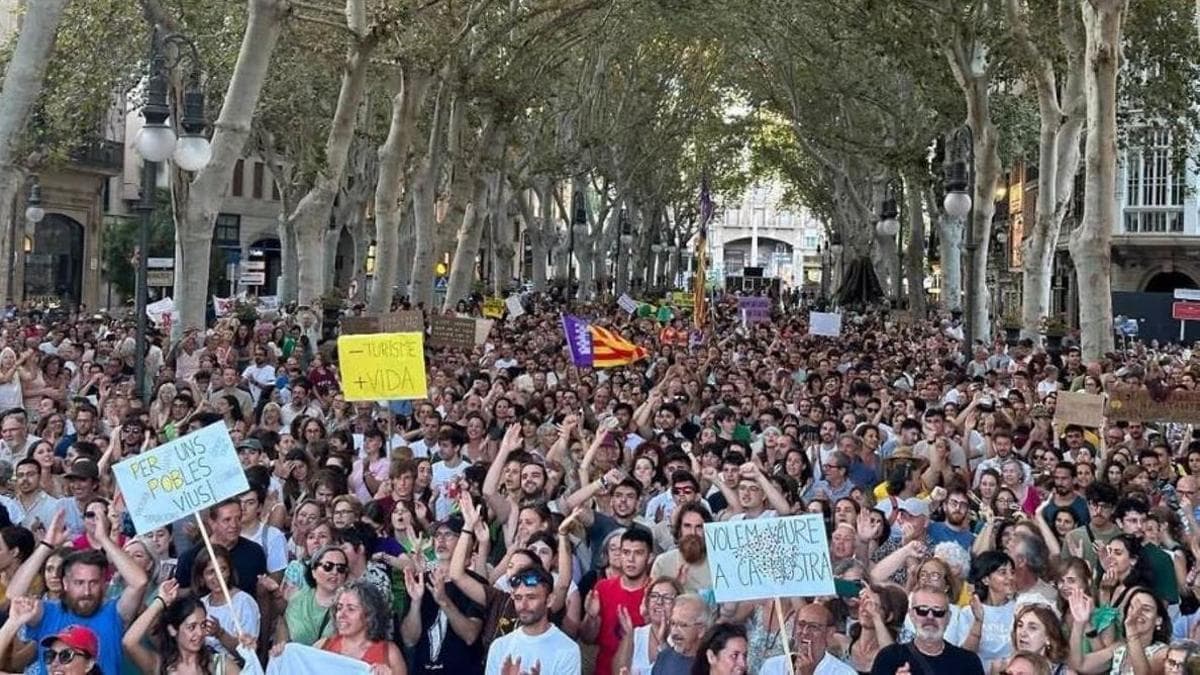
The article, published by Ultima Hora and authored by journalist Nekane Domblás, reports on the ongoing protest organised by the platform Menys Turisme Més Vida in Palma de Mallorca. The piece details the platform’s call for a permanent mobilisation against the rapid, unsustainable expansion of tourism‑driven housing and the associated pressures on the island’s environment, infrastructure and social fabric.
Scope of the Protest
According to the report, more than 70,000 people gathered on a Sunday to demonstrate against the current housing model. Platform spokesperson Jaume Pujol stressed that this demonstration is merely the beginning of a series of actions intended to pressure authorities into reversing policies that promote unchecked tourism growth and the construction of new residences on limited land.
Key Concerns Highlighted
The protest foregrounds several interlinked issues:
- Mass tourism leading to saturation of public services and natural resources.
- Housing crisis, with many locals unable to afford homes, especially young people.
- Urban sprawl, including legislation that permits building on rural and semi‑urban land without prior provision of essential services.
- Environmental degradation, described as a “collapse” of the island’s ecosystem due to over‑development.
Government Response
The regional government (GOB) acknowledged the massive turnout, stating that the demonstration conveys a clear message that citizens are “alive, organised and fed up with over‑tourism, saturation and lack of respect for the island’s limits.” However, the article notes that the government continues to support legislation facilitating further construction, which the protestors argue exacerbates the problem.
Legislative Context
The report lists specific laws cited by activists:
- Simplification Administrative Law.
- Urgent Measures for Land Acquisition aimed at strategic residential projects in Palma.
- Regulations allowing construction on rural land without prior service provision in municipalities over 20,000 inhabitants, and on urbanisable land in towns exceeding 10,000 residents. Activists claim these statutes do not address the underlying social unrest and instead reinforce a growth model incompatible with Mallorca’s physical and social limits.
Calls to Action
Activists have demanded a meeting with President of the Government Marga Prohens, urging her to halt the controversial laws, repeal them, and adopt “brave policies” that tackle the root causes of the island’s housing and environmental crisis. They stress that the protest is part of a broader, sustained effort to protect the quality of life on Mallorca.
Voices of Civil Society
Beyond the platform, other environmental groups such as Terraferida have echoed the protest’s demands, describing the situation as a “disaster” that requires concrete measures rather than temporary excuses. They highlight the need for policies that limit further urbanisation and protect the island’s scarce resources.
Impact and Significance
The mobilisation, described as one of the largest in Mallorca’s recent history, underscores a growing European concern over the sustainability of tourism‑driven housing models. The protest illustrates how local communities are increasingly demanding that authorities balance economic interests with environmental stewardship and affordable housing provision.