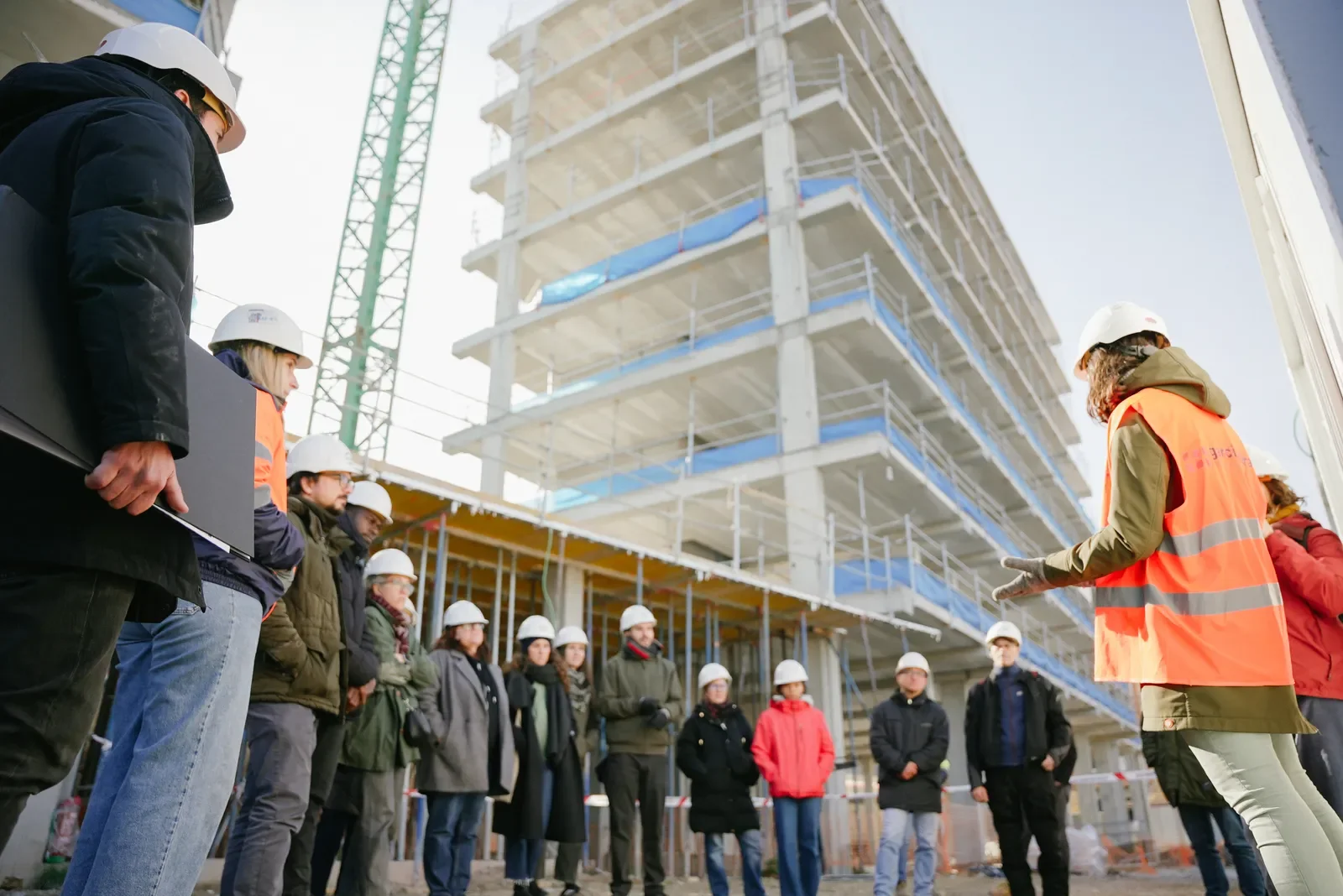
Overview of the Publication
The Council of Europe Development Bank (CEB) presents a detailed case study on cooperative housing in Catalonia, authored by Raquel Parámo and edited by Jelica Vesić. It examines how the non‑profit cooperative Sostre Cívic, supported by a €31 million CEB loan and the EU InvestEU guarantee, delivers affordable, sustainable homes for thousands of residents facing rising rents in Barcelona and beyond.
Cooperative Housing Model Explained
Sostre Cívic operates on a “right of use” (cessió d’ús) system where members pay a modest monthly fee instead of owning or renting. The cooperative retains ownership of the buildings, ensuring that apartments remain affordable because prices are linked to construction and maintenance costs, not market fluctuations. Residents participate in design, budgeting, and communal decision‑making, fostering strong community ties and tailored living spaces.
Financial Support and Impact
The CEB’s €31 million loan enabled the development of 350 new cooperative homes, including the 62‑unit Ca l’Ordit project in Barcelona. The loan is blended with EU InvestEU guarantees, allowing the CEB to finance socially‑driven entities that might otherwise be deemed too risky. This financing structure amplifies the impact of EU resources and demonstrates a scalable model for public‑private collaboration in affordable housing.
Scale and Reach of the Initiative
Since the loan’s approval, Sostre Cívic has expanded its portfolio across Catalonia, offering stable housing to families like the Andreu household, who previously moved frequently due to rent hikes. The cooperative now supports a diverse resident base, including older adults and families with specific needs, while maintaining monthly payments below market levels.
European Policy Context
The project aligns with the European Commission’s Affordable Housing Plan (December 2025), which calls for increased investment in socially‑oriented housing solutions. By showcasing how multilateral development banks and EU guarantees can mobilise capital for community‑led projects, the case study provides a blueprint for other European regions seeking to address housing insecurity.
Stakeholder Perspectives
CEB Country Manager for Spain, Maria Sigüenza, emphasizes the bank’s social mission to finance affordable housing as a fundamental right. Mayor Marc Aloy of Manresa underscores the urgent need for public‑funded housing, while Sostre Cívic members highlight the social benefits of belonging, mutual support, and participatory governance.
Sustainability and Community Benefits
Beyond affordability, the cooperative model promotes environmental sustainability through shared facilities, reduced construction waste, and long‑term building maintenance managed collectively. Residents contribute to the upkeep of common spaces such as gardens and kitchens, reducing the ecological footprint of individual households.
Lessons for Pan‑European Audiences
The Catalonia experience demonstrates that combining non‑profit housing cooperatives with strategic financing from development banks and EU guarantees can create resilient, affordable, and sustainable urban communities. It offers a replicable framework for policymakers, investors, and civil society across Europe aiming to tackle housing crises while advancing climate‑friendly urban development.