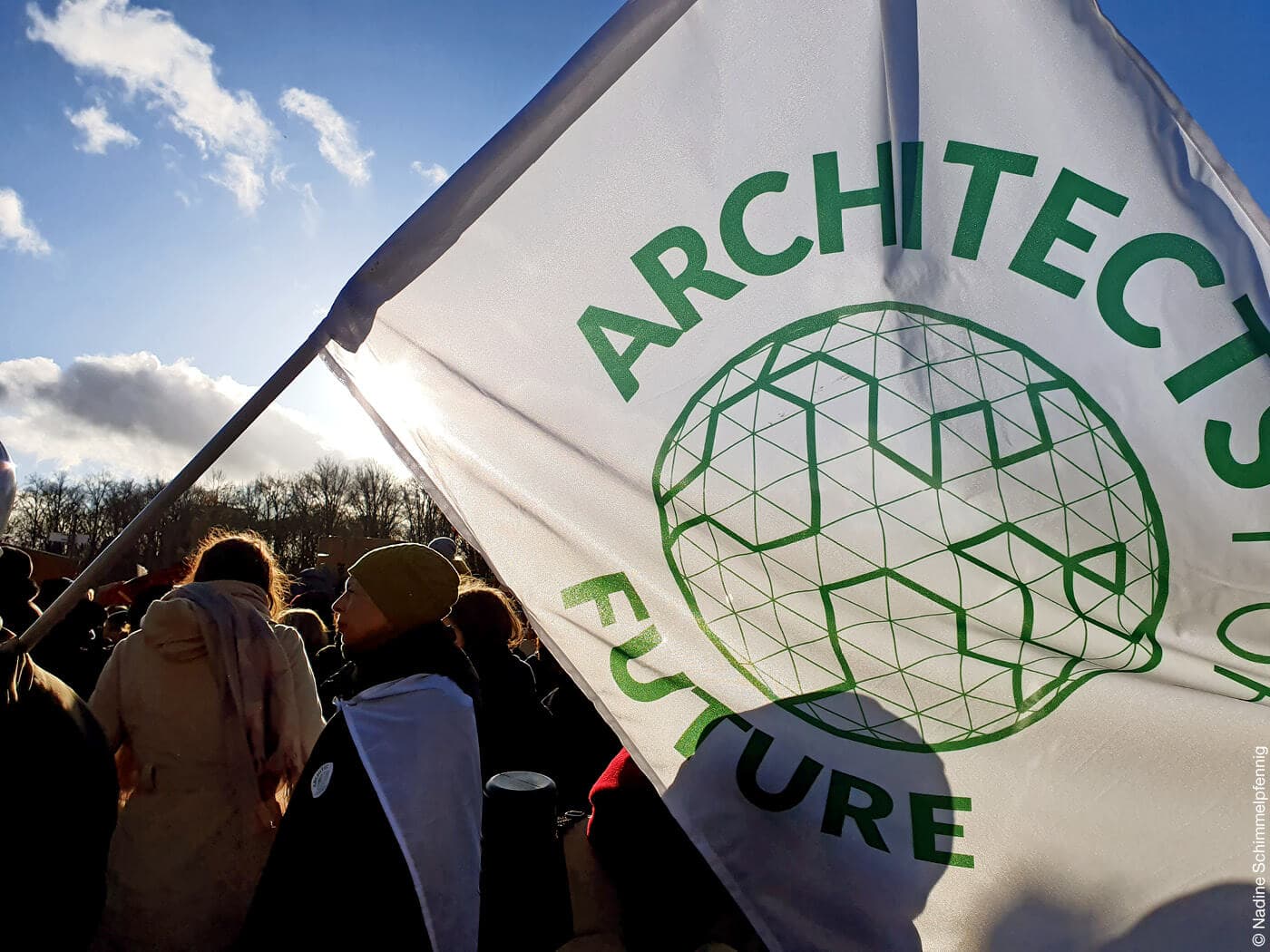
Architects for Future (A4F) is a Germany-based movement founded in June 2019 by a small group of architecture graduates in Wuppertal. It emerged out of frustration with prevailing practices in the construction industry and a desire to drive professional change in the field, inspired by the Scientists for Future initiative. The group operates as a non-profit association, Architects for Future Deutschland e.V., established in 2020 to give their activities more structure and impact.
A4F functions through a decentralized network, reflecting Germany's federal structure. It consists of approximately 40 local groups spread across Germany, Austria, and Switzerland, with around 2,000 active members. Participation extends beyond architects and includes individuals from related disciplines. The movement prioritizes collaboration at municipal, regional, and sometimes national levels, staying attuned to building regulations and practices which can differ by area.
One of A4F’s most publicly visible actions was the “Bauwende JETZT!” petition to the German Bundestag in early 2021. The petition, which collected about 60,000 signatures, called for significant changes in building culture and policies. Issues highlighted by the organization include sustainable building practices, the preservation and renovation of existing structures, and the push for regulatory frameworks that enable socially and environmentally responsible construction.
Recent activities include public statements on regional projects, open letters to political parties, and collaborations—for example, with Deutsche Umwelthilfe—to advocate for demolition moratoriums and the refurbishment of existing buildings instead of new construction. All organizational work is done on a voluntary basis, and internal communication remains a priority to ensure the network’s effectiveness across diverse contexts.