Empty flats, and still not enough homes
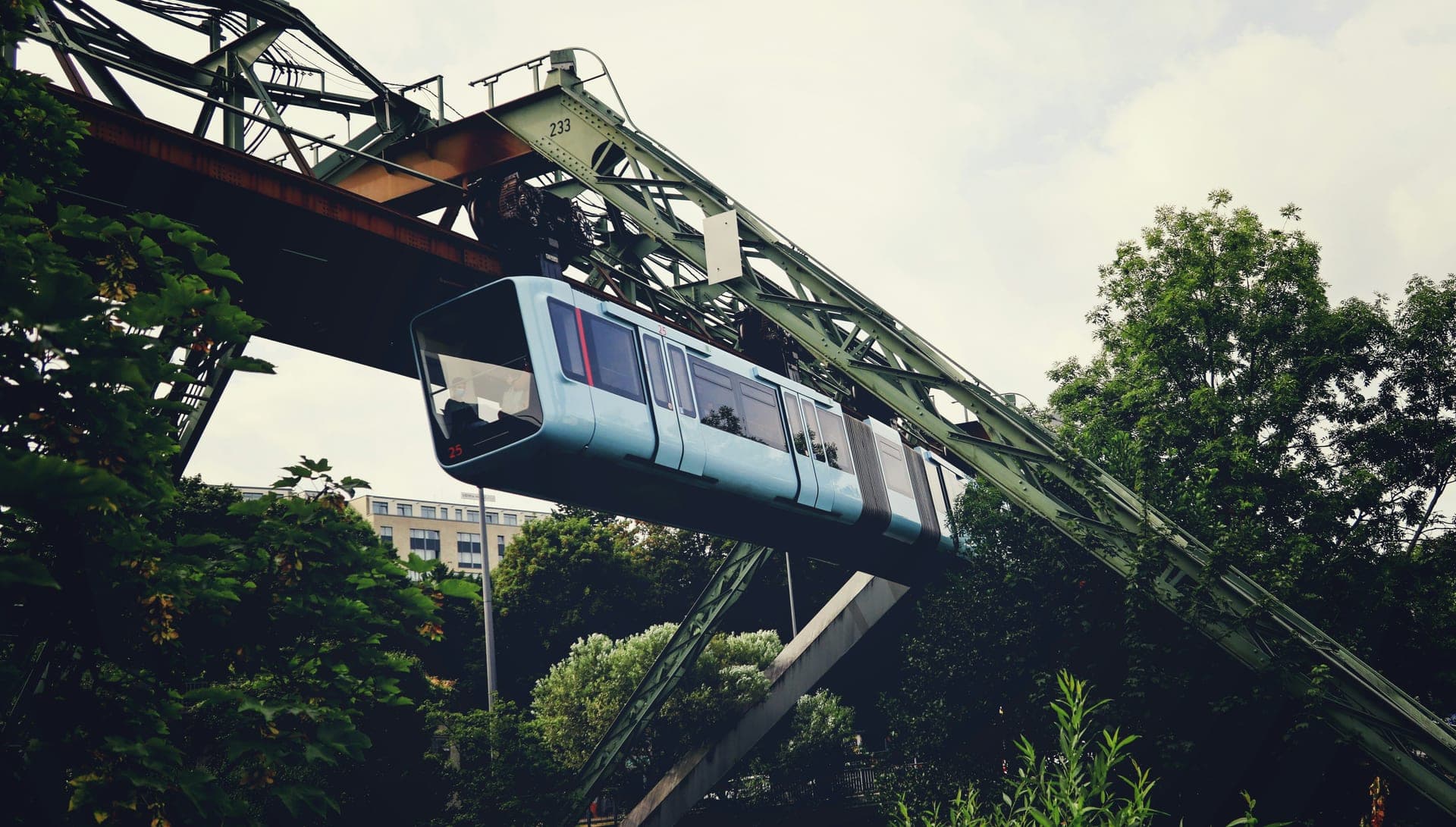
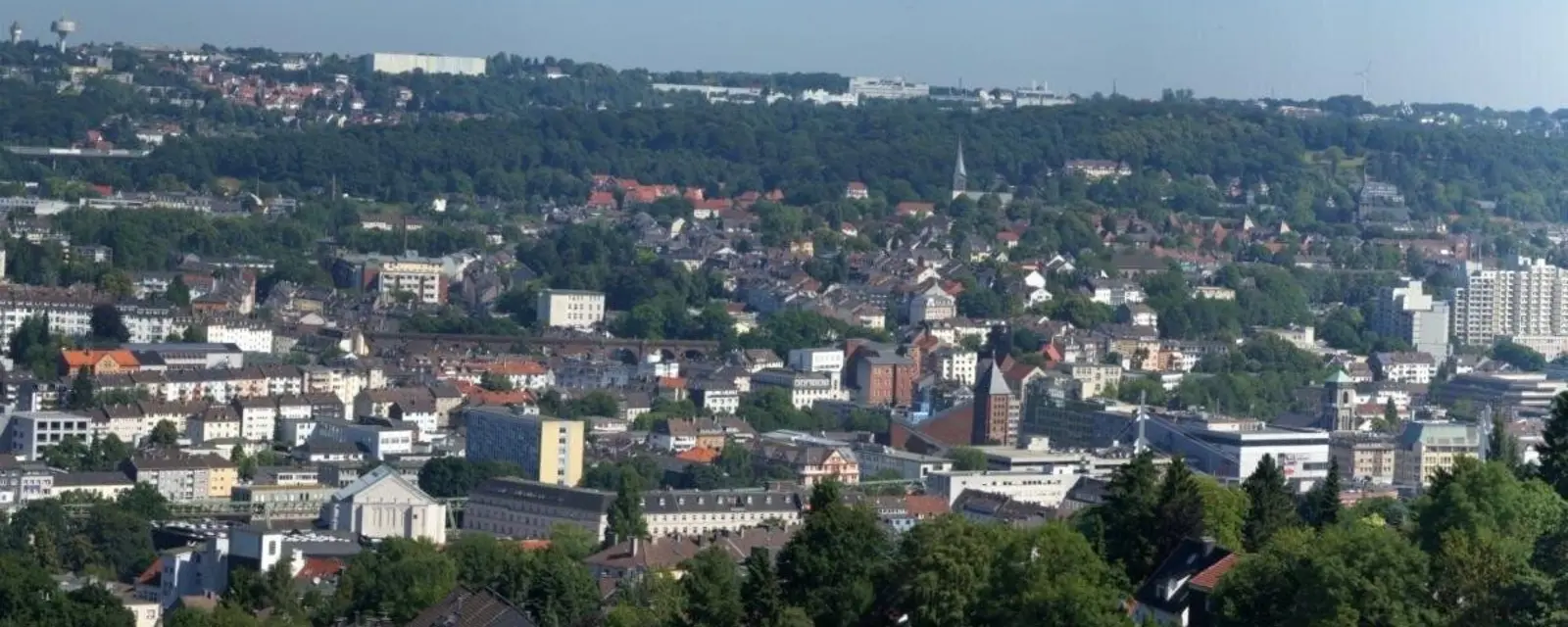
Wuppertal grew up in a narrow, steep valley. Barmen and Elberfeld were textile and dye towns that merged with their neighbours in 1929, and their workers climbed to hillside tenements on foot. The city still keeps around 500 public stairways and a suspension railway that has run above the Wupper since 1901. That inheritance left a large stock of late-19th-century blocks, many of them old, cheap and in need of work. It also explains a paradox: a city with spare flats can still fail the households who most need one.
Renting is the norm. About 67.7% of households rent and 29.4% own the home they live in. Cooperatives hold 1.99% of dwellings, roughly 3,800 homes, a thin cooperative tier for a city of 357,243 people. Public housing here means one landlord. The city-controlled gwg owns about 5,600 flats, or 2.9% of the stock. Everything else, about 62.8%, is private rental, so the non-market tier as a whole comes to just 4.9%.
- Owners
- Owner-occupier29.4%
- Renters
- Public & non-profit rental2.9%
- Cooperative2.0%
- Private rental62.8%
- Unclassified2.9%
- Unknown / Other2.9%
Social housing is a layer on top of those tenures, not a tenure of its own. About 6.5% of dwellings carry a Mietpreisbindung (a rent and occupancy covenant attached to public subsidy). The covenants are spread across gwg, cooperative and private buildings, and they are running out. In 2023 the city expected 5,779 subsidised flats to leave their covenants within ten years, while only 121 had been funded in the previous three. Around 50% of households would qualify for a Wohnberechtigungsschein (the income-tested permit needed to rent a subsidised flat).
Rents are low by the standards of Germany's big cities, and the ladder is short. Cooperative members pay about €5.80 per square metre, net of heating and service charges, and gwg tenants around €6.20. The median across all existing leases is €6.85. A newly signed contract costs €9.77, and a furnished flat about €19.77 all-in. The step from an old lease to a new one is what hurts people who have to move.
- Cooperative
- Public/municipal housing
- All-stock median
- New contracts
- Furnished / serviced (gross)
Monthly rent per square metre by tier, net cold except furnished (gross, all-in). The regulated tiers sit close together; the jump comes at the point of signing a new private lease.
Unusually for a large German city, Wuppertal has real slack. The 2022 census counted 4.3% of dwellings empty. The city's own figure for 2024/25 is higher: around 11,400 empty flats, a rate of 5.5%, concentrated in Elberfeld, Barmen and Oberbarmen. The administration also estimates that about 1,000 flats are let to tourists. Yet gwg reports a vacancy rate of only 0.6%. Offices are emptying too, with about 0 m² standing vacant and a last measured office vacancy rate of 5.9%.
Demand has come back after decades of decline. About 20,000 people move to the city every year. Building has not kept pace. Completions fell from 565 in 2024 to 360 in 2025, and permits have stalled at around 400 a year. Construction costs about €2,450 per m², with residential land at around €345 per m² on top. Wuppertal is also absent from the list of 57 municipalities where North Rhine-Westphalia's tighter tenant-protection rules apply, so the rent brake does not cover new contracts here.
The pressure falls unevenly, and it reaches well into the middle. A Hans-Böckler-Stiftung study of 77 German cities found that in 2018 the median renter household in Wuppertal spent 31.1% of its income on warm rent. 52.8% of renter households paid more than 30%, and 11.5% paid more than half. Only 44.8% lived in a flat that was both affordable and the right size, a shortfall the authors put at 56,294 homes. The platform's own estimate of housing-cost overburden is 24.6%. In local reporting the worry is less about empty flats than about the wrong ones. gwg's managing director told the Wuppertaler Rundschau that the supply of small and large flats was practically zero.
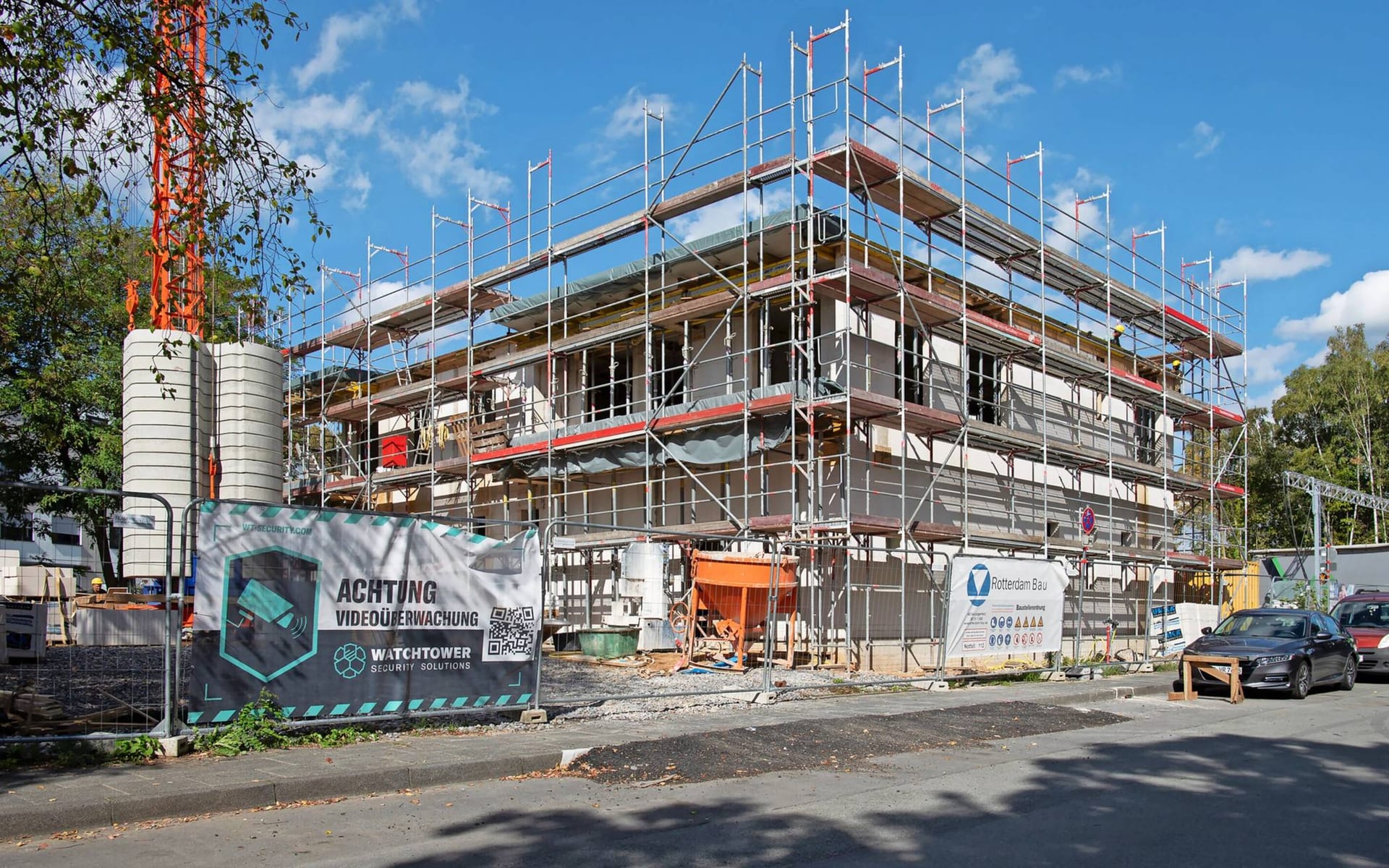
At the moment, new construction can no longer be financed through the rent.Against that backdrop, the city's cooperatives look small but remarkably steady.
Century-old cooperatives and a new neighbourhood wave
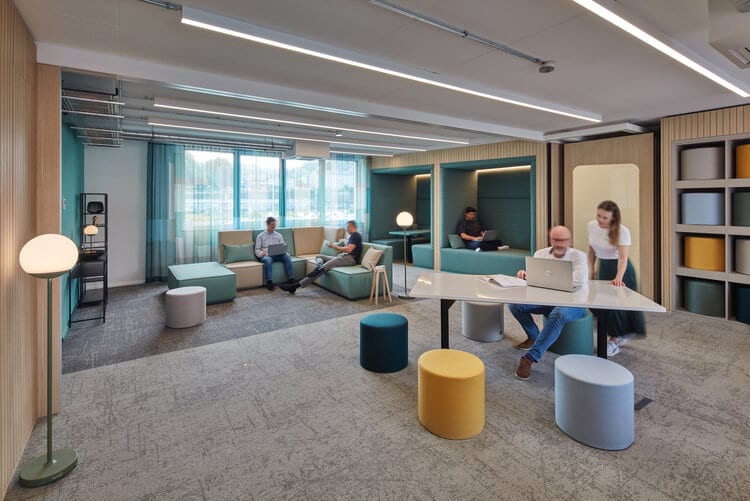
Wuppertal's cooperatives are rental cooperatives of the classic German kind. Members buy a Genossenschaftsanteil (a refundable share that makes them co-owners) and in return gain a secure, lifelong right to rent. Rents follow costs rather than the market, which is why cooperative homes sit at the foot of the city's rent ladder. GWW states that its surpluses go into loan repayments, reserves and maintenance, not profit. At ABG, members can waive their dividend to fund the cooperative's own foundation.
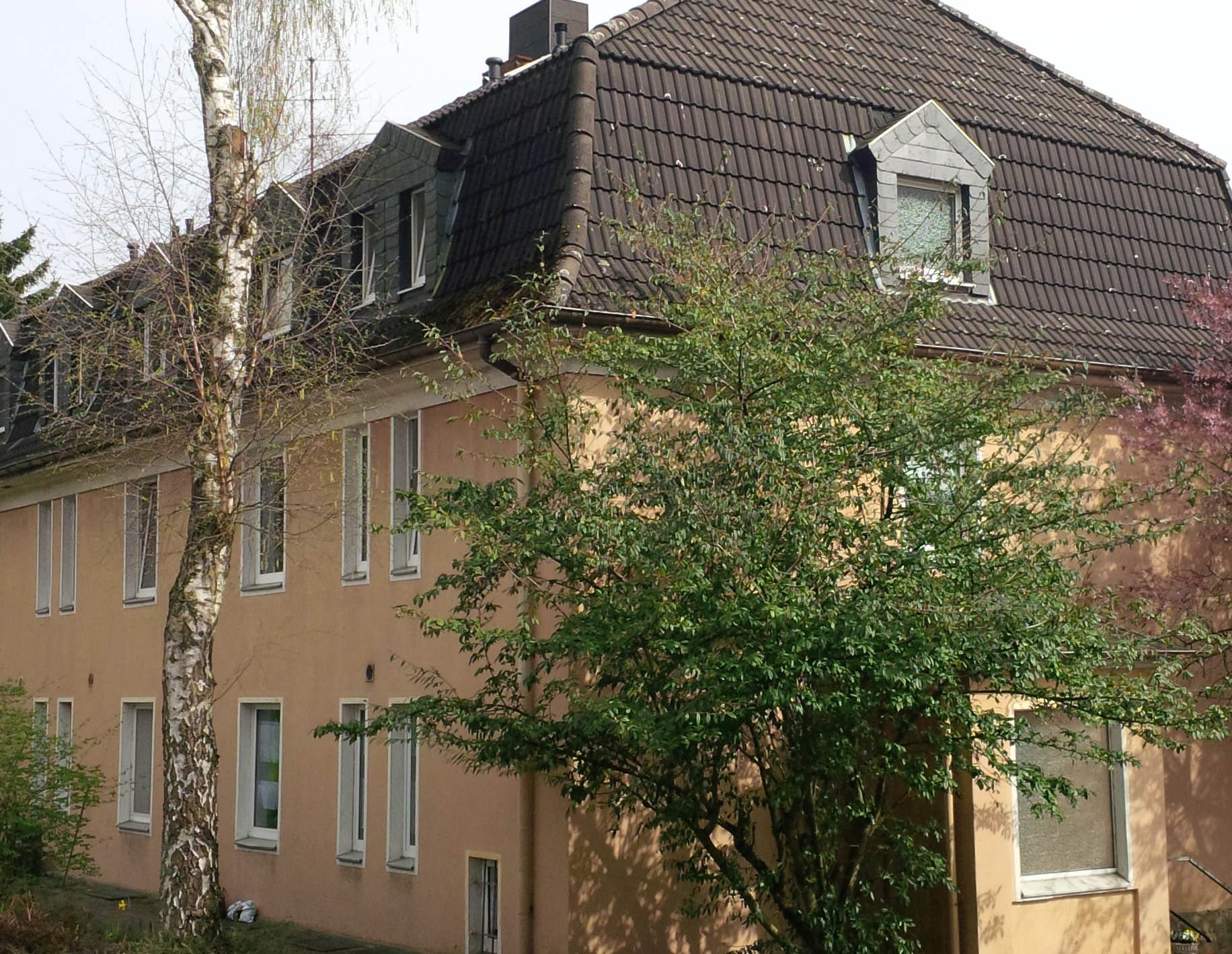
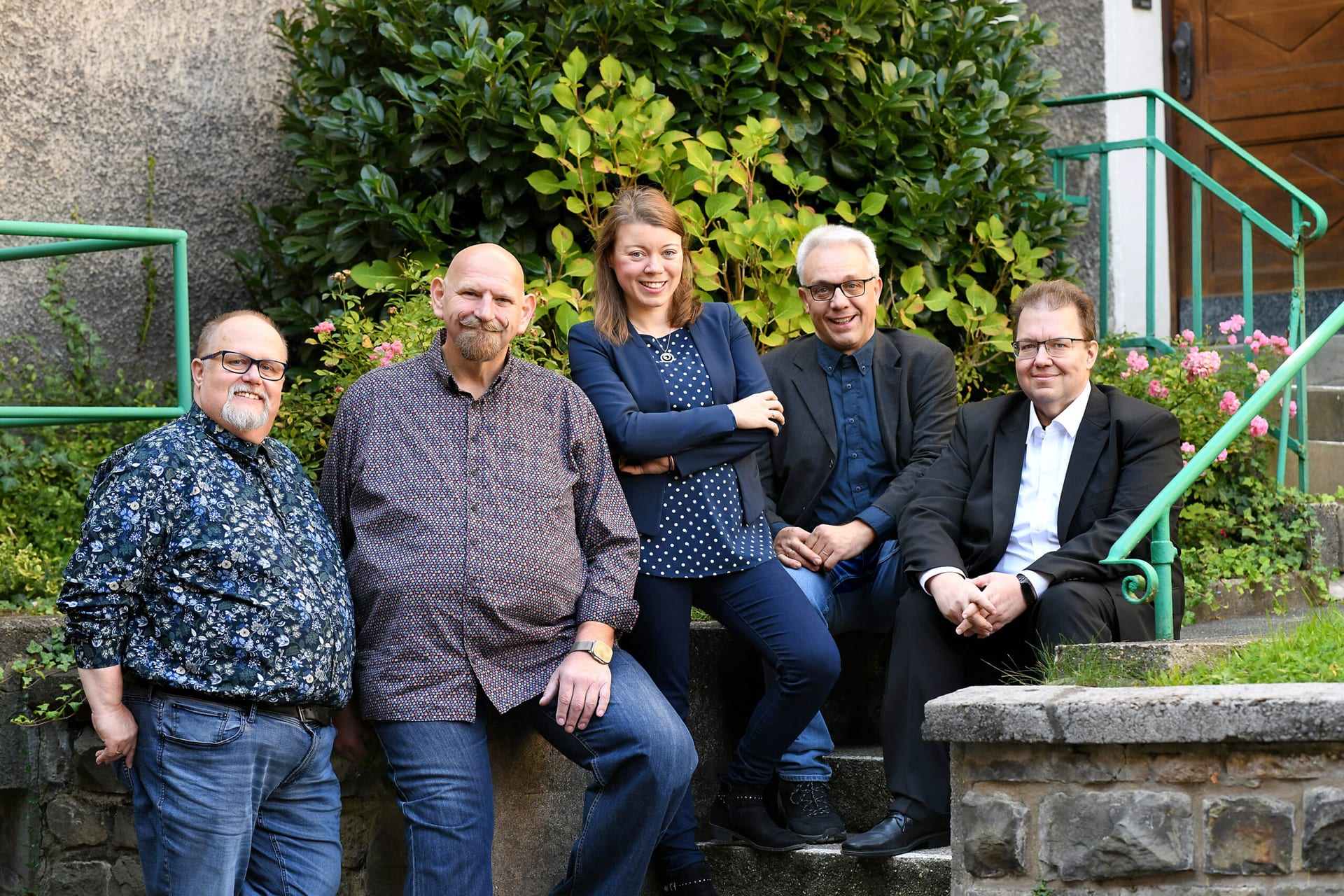
The tradition grew out of the valley's industrial housing shortage. GWM dates from 1910 and calls itself one of Germany's oldest building cooperatives. ABG says it has served members for well over a century. GWW was founded in 1926 in Vohwinkel, then a separate town, as a non-profit building society for workers and craftspeople short of decent homes. gwg is a different animal. It began in 1937 as a company building workers' flats, later took over municipal homes, and is 75% owned by the city. Its tenants rent from the municipality, not from themselves.
Today the sector splits into two clusters. The first is seven traditional cooperatives. GWM owns 1,563 flats, GWW 1,112 and ABG more than 1,100. They report almost no empty flats and put their money into modernisation. GWW's latest new build is a single house of 9 flats. Their worries are ageing buildings, retrofit costs and land. GWM says it would build more if the city offered plots on fair terms without extra conditions attached. The second cluster is young and led by neighbourhoods. Ölberg eG grew out of an owners' network in the Gründerzeit (late-19th-century) Ölberg quarter. Ko-Operativ eG NRW is building Mittendrin in Cronenberg, 16 barrier-free cooperative flats on the base of a former supermarket. The Initiative Gemeinschaftliches Wohnen in Wuppertal networks further groups, such as the Buschwerk project in Barmen. For these newcomers the hard part is finding a building and the money to buy it.
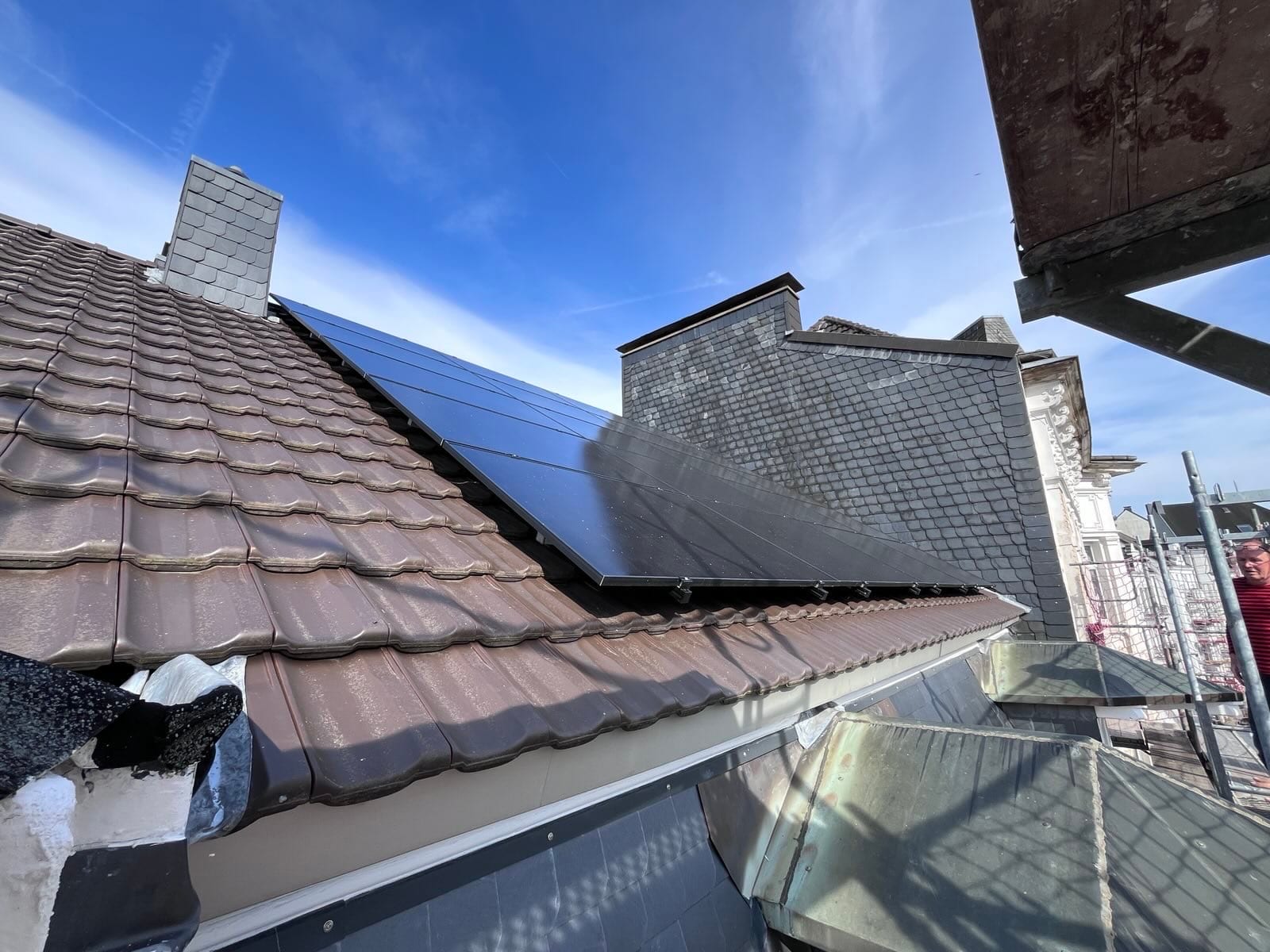
The old cooperatives are also quietly taking homes off the market. GWW recently bought houses in Cronenberg to give 31 tenant households lifelong cooperative tenure. Since 2022 a federal loan programme run through KfW (the German state development bank) has helped people pay for their cooperative share, with 15% of the loan written off. What cooperatives in Wuppertal ask of the city is different: land, and a place in its housing plans.
A new mayor, a state budget and the empty-building question
Miriam Scherff of the SPD won the mayoral run-off in September 2025 with 74% of the vote, and named housing among her priorities. Her main lever is money the state hands down. As the approving authority for North Rhine-Westphalia's housing subsidy, the city says it spent its entire regular allocation in both 2025 and 2026. About €21 million is going into 7 projects this year, with a further €20 million secured for neighbourhood schemes. Since 2020 the administration has pressed for a 20% subsidised share in larger new projects.
Each tier of government holds a different lever. In Berlin, the Bundestag extended the Mietpreisbremse (a cap on rents in new contracts) to 2029, but it bites only where a state declares a market tight. In Düsseldorf, the state housing ministry sets that list and funds subsidised building, which kept growing in 2025. Wuppertal holds the rest: it approves subsidies, plans land and owns gwg. gwg's managing director Oliver Zier has called the state a reliable partner and federal austerity the bigger risk.
- 1929[source]
Barmen and Elberfeld merge
The industrial towns along the Wupper merge with their neighbours to form the city now called Wuppertal.
- 1937[source]
gwg founded
A company is founded to build workers' flats. As gwg it later takes over municipal homes and becomes the city's largest landlord.
- 2011[source]
Utopiastadt leases Mirke station
Founders of Utopiastadt sign the lease on the disused Mirke railway station on the Nordbahntrasse and begin its civic reuse.
- 2020[source]
City moves to require subsidised homes
Facing 2,080 flats leaving their social covenants by 2025, the administration proposes a 20% subsidised share in new projects of 20 or more homes.
- Jul 2021[source]
Climate-neutrality study published
The Wuppertal Institut sets out what putting the city on course for climate neutrality by 2035 would take, including a shift of heat supply from 12% to about 88% renewable.
- 2022[source]
Solar Decathlon Europe in the Mirke quarter
Eighteen university teams from eleven countries build energy-positive urban housing prototypes in Wuppertal, the first edition held in Germany.
- Sep 2025[source]
Miriam Scherff elected mayor
Miriam Scherff (SPD) wins the run-off with 74% of the vote, naming housing among her priorities.
- Jul 2026[source]
Development company and Kaufhof purchase
The council votes to found a municipal urban-development company for problem properties and brownfields, and unanimously backs buying the empty Kaufhof department store.
- Aug 2026[source]
Heubruch subsidy approved
The mayor hands over €14.48 million of state funding for 52 subsidised rental flats in a 78-home quarter beside the Nordbahntrasse.
- 2029[source]
Federal rent brake runs out
The extended Mietpreisbremse expires at the end of 2029. It only ever applies in markets a state has designated as tight, which Wuppertal is not.
- 2035[source]
Climate-neutrality horizon
The target year by which the city aims to be on course for climate neutrality, a goal that runs through the retrofit of its old housing stock.
From the merger of two textile towns to a municipal development company, a department-store conversion and a 2035 climate goal.
Support aimed squarely at cooperatives is thin at city level. Other German cities use Konzeptvergabe (land sold to the best project rather than the highest bid) and Erbbaurecht (long ground leases that keep land public). Those are the tools GWM has in mind when it asks for city plots on fair terms. Federal research on cooperatives as municipal partners describes exactly this kind of pact. The council has yet to decide whether its new development company will play that role.
The vacancy answer is being built at municipal level. In July 2026 the council voted to found a Stadtentwicklungsgesellschaft (a municipal urban-development company) to buy problem properties and reactivate brownfield land. SPD councillor Alexander Hobusch explained why. Incentives such as façade grants and coercive tools such as a Zweckentfremdungssatzung (a bylaw against long-term vacancy) had both failed on owners who let buildings decay. The Mieterbund argues that many empty flats could return with investment. A national guide to turning offices into homes shows what the same approach could do for the city's empty office floors. And research on under-occupied dwellings co-written at the Wuppertal Institut argues that existing space can house far more people before anyone pours new concrete.
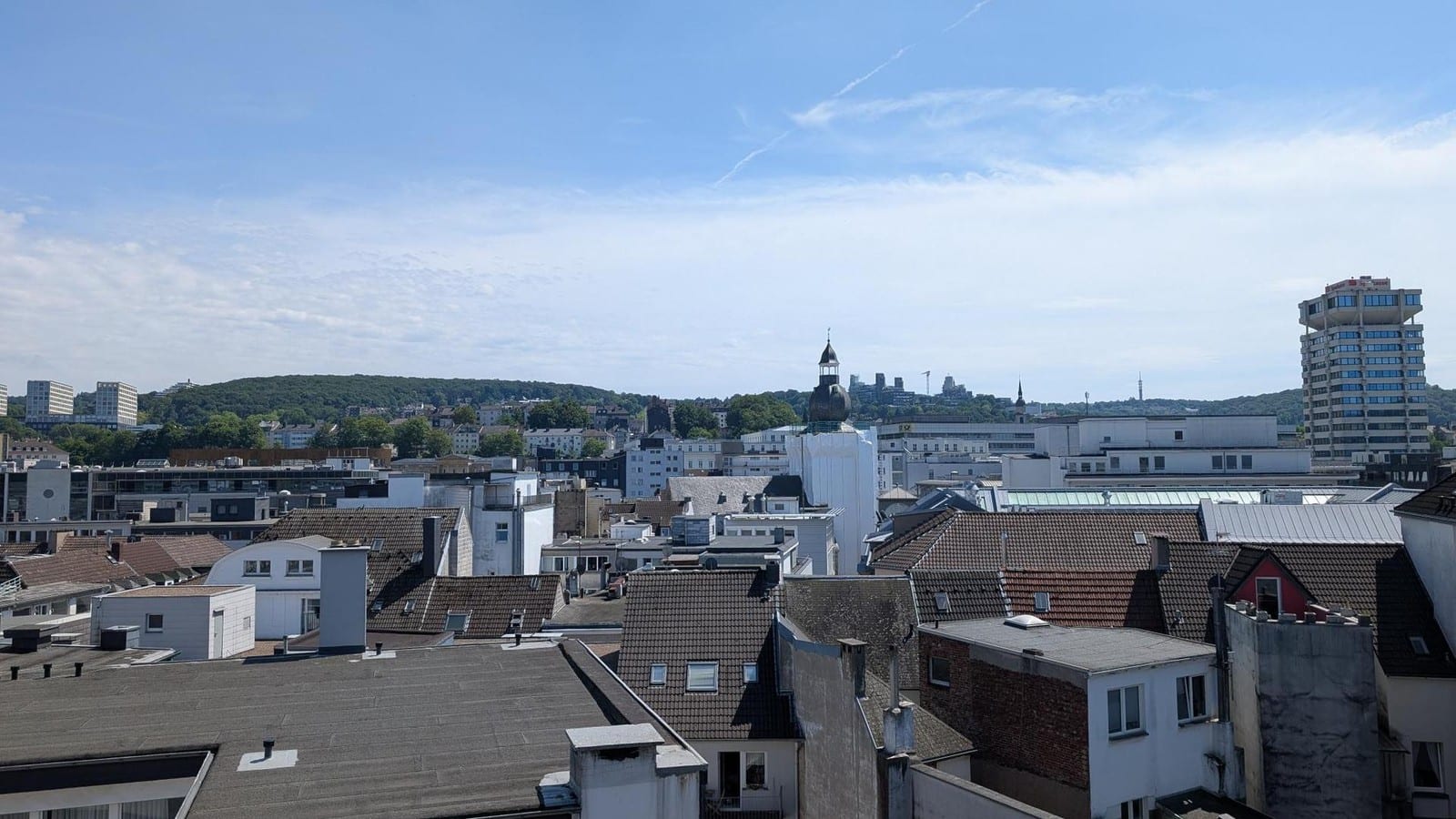
Climate policy runs through the same buildings. Under Scherff's predecessor, Uwe Schneidewind, the city set out to be on course for climate neutrality by 2035. A feasibility study by the Wuppertal Institut found that the share of heat from renewables, district heating or electricity must rise from 12% to about 88%. Its research director Anja Bierwirth warned that a city alone cannot reach that goal, not even Wuppertal. gwg plans to invest about €319 million over ten years, most of it in modernisation and the energy transition. Architects for Future, founded in 2019, campaigns for a Bauwende, a shift in the building sector from demolition and new build towards reuse.
The public argument runs along familiar lines. The landlords' association Haus & Grund Wuppertal wants permits within three months and city plots with building rights. The Deutscher Mieterbund Wuppertal wants more public subsidy and a binding quota of social flats for commercial landlords. Both sides agree that 360 completions a year is not enough, as the Westdeutsche Zeitung's September 2026 report sets out.
The great need for social housing, for homes for older people and people with disabilities, and for larger families is not reflected in this.We need simpler building, faster building permits and a choice of suitable plots with building rights for social and privately financed new construction.Stations, towers and a department store: reuse in the valley
Utopiastadt is the city's best-known answer to empty space. In 2011 Beate Blaschczok and Christian Hampe leased the disused Mirke station of 1882 on the Nordbahntrasse, a former railway line turned cycle path. The local savings bank later gave them the building. From 2018 the group bought the railway land around it, about 11,000 m² at first and 25,000 m² more in 2019. Hampe compares the aim to Berlin's Tempelhofer Feld: land held for the city's people and kept away from speculation.
We are not a service provider for utopias!Solar Decathlon Europe 21/22 brought 18 university teams from 11 countries to the Mirke quarter in 2022. Hosted by the University of Wuppertal under the theme “Goes Urban”, they built energy-positive homes that answered real local tasks: renovating, adding storeys and closing gaps between buildings. An account of the competition by the RE-DWELL research network notes that teams surveyed residents on housing and ownership before they designed. Two of the houses were moved onto the Utopiastadt campus, and in January 2026 the building called Deeply High passed into Utopiastadt's hands.
Wohnpark Schellenbeck in Nächstebreck is gwg's largest retrofit. In its first phase the company is spending about €30 million on modernising two tower blocks, with €13.2 million from the state. The share of subsidised flats rises from zero to 60%. The first modernised block was fully let on completion. It is a model for renewing covenants in existing buildings rather than waiting for new ones.
Ölberg eG shows what a neighbourhood cooperative can do in a dense 19th-century quarter. It led a federal model project on age-friendly retrofit, using KfW funding to help small private owners adapt their buildings. Its heat-transition working group is now testing a shared local heat network for the Ölberg with the city and the Wuppertal Institut. The cooperative model here is less about owning flats than about organising a whole street of owners.
Mittendrin in Cronenberg is the newest cooperative build. Ko-Operativ eG NRW is demolishing a supermarket extension, keeping its solid base and adding 16 barrier-free flats for all ages above it. A historic slate house on the main street is being refurbished alongside. Households eligible for subsidised housing are explicitly welcome.
The Heubruch quarter beside the Nordbahntrasse in Barmen is the subsidised end of the range. Of 78 new flats, 52 are publicly funded with €14.48 million of state money. The investor is also building a day-care centre. The city presents it as a direct response to the covenants expiring in Barmen.
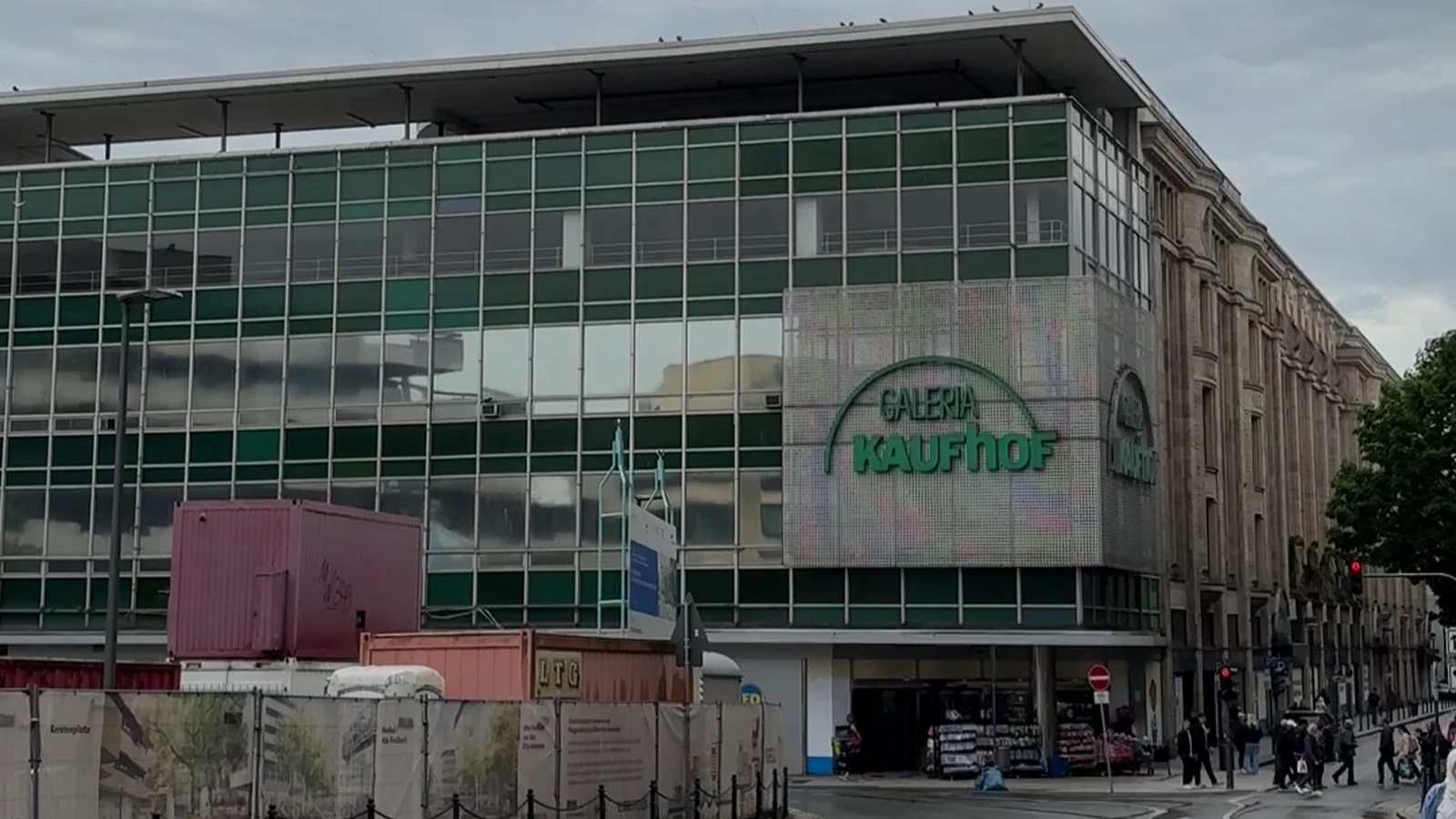
The former Kaufhof on Elberfeld's Neumarkt could become the largest reuse project of all. The council unanimously agreed to buy the empty department store in July 2026. The study plan puts the Zentralbibliothek, the city's main public book and study centre, and an adult college in it, with a floor of co-living and a public roof garden. None of it is fixed yet, and the purchase depends on the state approving the city's budget.
Wuppertal's answer to its own question is taking shape in reused stations, retrofitted towers and a department store turned public house. The city has what most German cities lack: empty buildings, cheap land by comparison and a research institute on its doorstep. What it has not yet had is a way to turn those assets into cooperative homes at scale.
References
Statistics16Click on any number to see the source
Housing market
Tenure & affordability
Cooperative, social & public
Adaptive reuse & vacancy
Population & migration
From our library22
- gwg Wuppertal (Gemeinnützige Wohnungsbaugesellschaft mbH Wuppertal) — Organisation
- Von 565 auf 360 Wohnungen: Neubau in Wuppertal ging 2025 deutlich zurück — Knowledge
- Aus 18 werden 57 – Nordrhein-Westfalen weitet Mieterschutzverordnung aus — Knowledge
- Wie viele (und welche) Wohnungen fehlen in deutschen Großstädten? — Working Paper 217 — Knowledge
- Wuppertaler Wohnungsmarkt: „Ein hochgefährliches Setting“ — Knowledge
- GWW – Gemeinnützige Wohnungsgenossenschaft Wuppertal West eG — Organisation
- ABG – Allgemeine Baugenossenschaft Wuppertal eG — Organisation
- GWM – Gemeinnützige Wohnungsgenossenschaft Wuppertal-Mitte eG — Organisation
- Ölberg eG — Organisation
- Bündnis für bezahlbares Wohnen und Bauen – Wohnungsgenossenschaften als Partner der Kommunen — Knowledge
- Bundestag: Mietpreisbremse verlängert — Knowledge
- Der Förder-Boom für bezahlbare Mieten und Eigentum geht weiter – Rund 2,4 Milliarden Euro für 13.356 Wohnungen bewilligt — Knowledge
- Brachflächen, Leerstand, Schrottimmobilien: Wuppertals Plan für die Stadtentwicklung — Knowledge
- Office to Housing — Knowledge
- Housing for millions without new buildings? An analysis of the theoretical housing potential of under-occupied dwellings in the European building stock — Knowledge
- Wuppertal Institut — Organisation
- Architects for Future — Organisation
- Deutscher Mieterbund Wuppertal und Umgebung e.V. — Organisation
- Transdisciplinarity for Affordable and Sustainable Housing — Knowledge
- Die Stadtzeitung: „gwg“ steigert Ergebnis und investiert weiter — Knowledge
- Bewilligungsbescheid übergeben: 14,48 Millionen Euro für Wohnprojekt Heubruch — Knowledge
- Der Rat hat entschieden: Wuppertal will den Kaufhof am Neumarkt kaufen — Knowledge
Further sources30
- Liste von Treppen in Wuppertal — Wikipedia
- Wuppertaler Schwebebahn — Wikipedia
- Tausende Sozialwohnungen in Wuppertal fallen weg — Westdeutsche Zeitung · 2023-03-21
- Wuppertal wird bis 2025 mehr als 2000 Sozialwohnungen verlieren — Westdeutsche Zeitung · 2020-06-08
- Von 565 auf 360 Wohnungen: Neubau in Wuppertal ging 2025 deutlich zurück — Westdeutsche Zeitung · 2026-09-16
- „gwg“ steigert Ergebnis und investiert weiter — Die Stadtzeitung · 2026-06-30
- Wuppertaler Wohnungsmarkt: „Ein hochgefährliches Setting“ — Wuppertaler Rundschau · 2024-07-20
- Wie viele (und welche) Wohnungen fehlen in deutschen Großstädten? — Hans-Böckler-Stiftung · 2021
- GWM — Wohnungsgenossenschaft — GWM Wuppertal
- GWW — Historie — GWW Wuppertal
- GWW Wuppertal West eG — GWW Wuppertal
- ABG Wuppertal eG — ABG Wuppertal
- Baugenossenschaften Wuppertal — Baugenossenschaft.info
- Gemeinnützige Wohnungsbaugesellschaft Wuppertal — Wikipedia
- Initiative Gemeinschaftliches Wohnen in Wuppertal — IGWW
- Genossenschaftliches Wohnen — Bundesförderung — BMWSB
- Miriam Scherff gewinnt Stichwahl — njuuz · 2025-09-28
- Klimaneutralität in Wuppertal bis 2035 — Wuppertal Institut · 2021-07-01
- Brachflächen, Leerstand, Schrottimmobilien: Wuppertals Plan für die Stadtentwicklung — talzeit · 2026-07-17
- Der Rat hat entschieden: Wuppertal will den Kaufhof am Neumarkt kaufen — talzeit · 2026-07-14
- 14,48 Millionen Euro für Wohnprojekt Heubruch — Wuppertaler Rundschau · 2026-08-31
- Mietpreisbremse bis 2029 verlängert — Deutscher Bundestag · 2025
- Utopiastadt — Zeitstrahl — Utopiastadt
- In der Wuppertaler Utopiastadt — kulturwest · 2019-03-28
- Solar Decathlon Europe 21/22 — Bergische Universität Wuppertal
- Der Ölberg: Pilotquartier für den altersgerechten Umbau — BBSR
- Ölberg eG — Wärme- und Energiewende — Ölberg eG
- Mittendrin in Cronenberg — Ko-Operativ eG NRW
- Wuppertal — Wikipedia
- Tanztheater Wuppertal Pina Bausch — Wikipedia