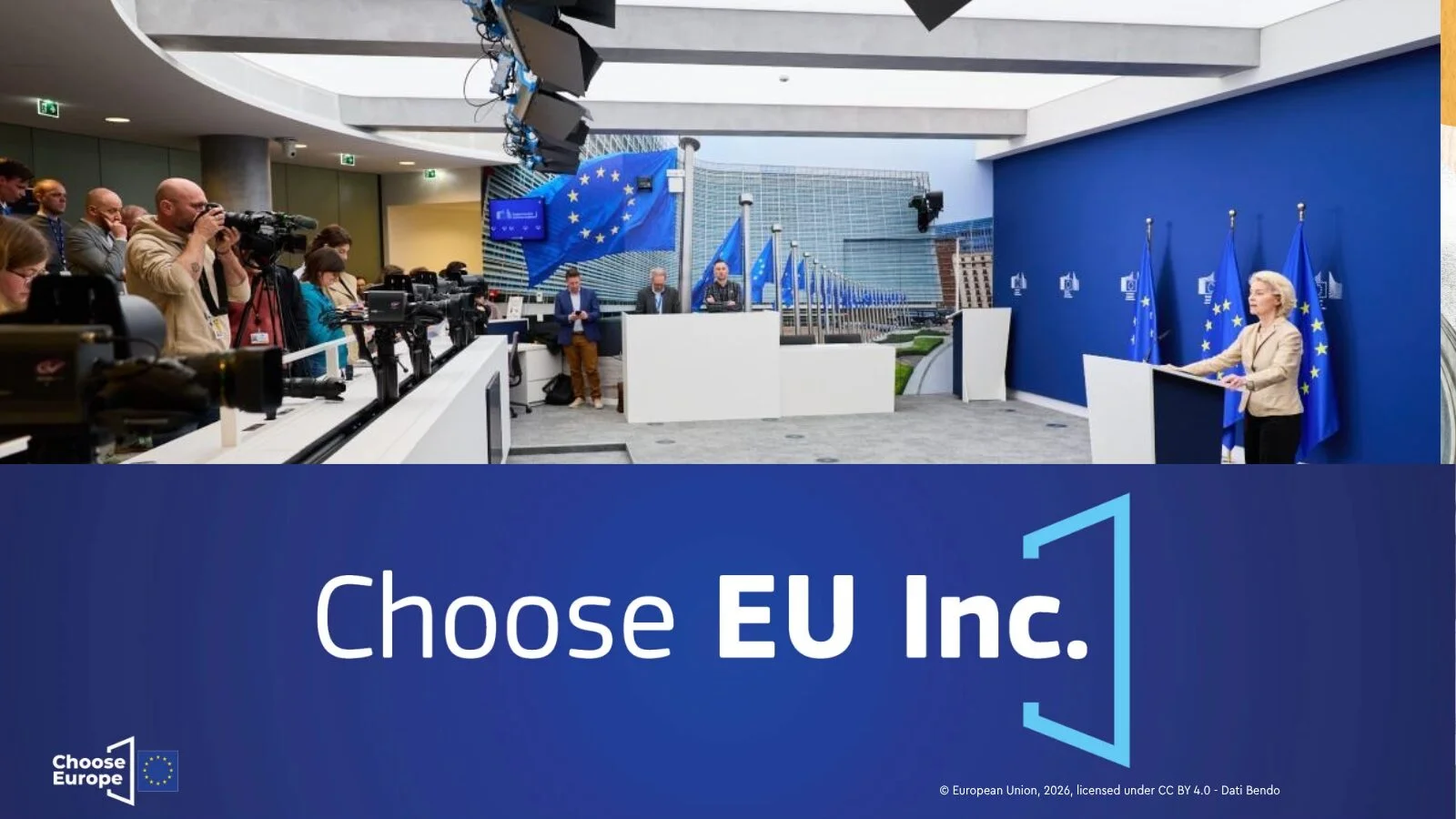
Introducing the New EU Inc Co‑operative Form
Cooperatives Europe, the leading pan‑European network representing cooperative enterprises, has announced the launch of a new EU Inc company form. This legal structure is designed to enable cooperatives to operate across member states under a single set of rules, fostering cross‑border collaboration and simplifying governance for organisations that adhere to cooperative principles.
Key Features of the EU Inc Model
The EU Inc form provides a unified legal framework that recognises the democratic ownership model of cooperatives. It allows for flexible capital structures, ensures member‑controlled decision‑making, and incorporates sustainability clauses that align with the EU’s Green Deal objectives. The model also mandates transparent reporting on social and environmental impact, encouraging members to adopt greener practices.
Strategic Priorities Outlined by Cooperatives
Cooperatives Europe has highlighted several priority areas for the EU Inc form: scaling sustainable housing projects, enhancing energy efficiency, and promoting circular economy initiatives. The framework supports the development of eco‑friendly residential schemes by enabling cooperatives to access EU funding streams dedicated to climate‑neutral construction and retrofitting.
Implications for Sustainable Housing Stakeholders
For organisations focused on sustainable housing, the EU Inc structure offers a streamlined path to operate in multiple jurisdictions without navigating disparate national regulations. It facilitates joint ventures between cooperatives, municipalities, and private investors, fostering the creation of affordable, energy‑efficient homes that meet stringent EU environmental standards.
Governance and Member Rights Under EU Inc
The new form preserves the core cooperative principle of one member, one vote, irrespective of capital contribution. Governance provisions include mandatory member education on sustainability, regular impact assessments, and the ability to embed climate‑positive targets into the cooperative’s statutes, ensuring long‑term commitment to ecological goals.
Regulatory Alignment with EU Climate Policies
EU Inc aligns with the European Climate Law and the Renovation Wave initiative, mandating that member cooperatives contribute to the EU’s 2030 climate targets. The framework requires reporting on energy consumption, carbon emissions, and waste reduction, creating a transparent data trail that can be used for policy evaluation and funding allocation.
Access to Funding and Support Mechanisms
Cooperatives adopting the EU Inc form become eligible for a range of EU financial instruments, including the European Regional Development Fund and the Horizon Europe programme. These resources can be directed towards innovative housing solutions such as passive houses, modular construction, and renewable‑energy‑integrated dwellings.
Projected Impact on the European Housing Market
Analysts estimate that the EU Inc model could accelerate the delivery of up to 2 million sustainable housing units across the continent over the next decade. By reducing administrative barriers and promoting cooperative ownership, the form aims to increase housing affordability while delivering significant reductions in carbon footprints.
Conclusion: A Tool for Pan‑European Sustainable Development
The EU Inc company form represents a concrete step towards harmonising cooperative law and advancing sustainable housing in Europe. By coupling democratic governance with stringent environmental obligations, it offers a viable pathway for cooperatives to lead the transition to greener, more inclusive urban environments.