Resource overview
This peer-reviewed research paper in BMC Public Health examines whether moving into cooperative housing under a grant-of-use (right-of-use) tenure model in Catalonia is associated with changes in residents’ housing conditions and health. The publisher is BMC Public Health (Springer Nature), and the author team includes Alexia Reyes, Irene Macaya Munell, Carme Borrell, Joao Pedro Carmezim Correia, Ana Fernández, Constanza Vásquez-Vera, Katherine Pérez, Juli Carrere, Lali Daví, and Ana M. Novoa.
Housing model and policy context
The paper frames housing as a key social determinant of health, shaped by economic/legal conditions, emotional and social meaning, dwelling quality, and neighbourhood environment. In Catalonia and Spain, the authors describe affordable housing access as difficult in a context where housing functions as a market commodity and financial asset, with homeownership promoted and comparatively limited public housing policies.
What “grant-of-use” cooperative housing means
In the grant-of-use model, a cooperative collectively owns the property (and the land may be owned or leased long term). The cooperative grants members an indefinite right to use a dwelling in exchange for a predetermined, stable monthly fee. Members cannot sell or sublet the unit, which is presented as a structural barrier to speculation. The paper notes a typical upfront entry contribution in the range of EUR 5,000–30,000 (varying by renovation vs new build), which may be refundable when a member leaves, and monthly fees reported as generally below prevailing market rents.
Study design and data collection
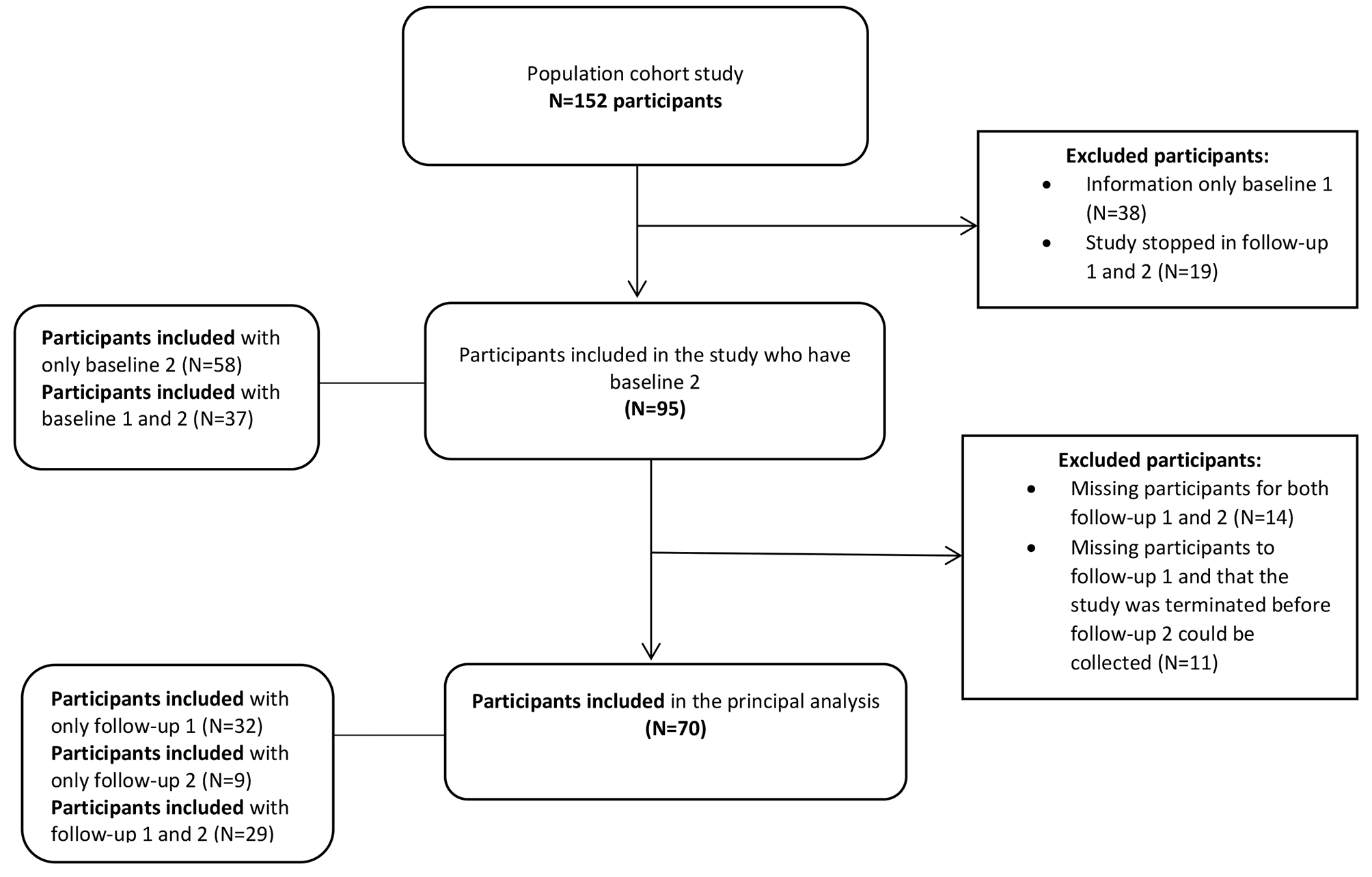
The study uses a longitudinal, pre–post design drawing on the Health and Well-being Survey developed by the Housing team of the Public Health Agency of Barcelona. The wider cohort covered 152 participants from 12 cooperative projects between July 2018 and April 2023. For the pre–post analyses, the sample comprised 70 individuals (42 women and 28 men) with baseline information (including “just before moving in”) and at least one follow-up measurement after moving. Follow-up surveys were conducted one year and two years after entering the cooperative. Analyses used paired statistical tests and stratified perceived health and mental health by sex.
Who participated and where projects were located
Participants had a mean age of 43.7 years (SD 12.22). The study reports 77% had university education and 86% were born in Spain. Project characteristics were predominantly urban: 90% of projects were located in the city of Barcelona. In terms of development type, 77% were new construction and 23% were rehabilitation. The study also reports that 77% made an initial housing contribution of less than EUR 20,000.
Changes in housing conditions after moving
Across multiple indicators, housing conditions improved at follow-up. The prevalence of leaks, dampness, and decay decreased from 37% to 4.6% (p < 0.001). Poor building insulation decreased from 54% to 7.5% (p < 0.001). The ability to maintain an adequate indoor temperature increased from 49% to 90% (p < 0.001). Mean housing satisfaction increased from 6.30 (SD 1.92) at baseline to 8.59 (SD 1.25) at follow-up, and satisfaction with the neighbourhood also increased (reported as 2.93 to 3.94 on the scale used).
Overcrowding and shared-space trade-offs
The authors report an increase in overcrowding, from 1.4% to 16% (p = 0.009). In discussion, they link this to the intentional design of many cooperative projects that prioritise communal spaces (e.g., shared kitchens, laundry, multipurpose rooms), which can result in smaller private areas. The paper highlights this as an important dimension for future measurement that distinguishes private from shared space.
Health and psychosocial outcomes
Perceived health improved most clearly among men, with the proportion reporting very good or excellent health increasing from 46.4% to 67.9%. Mental health (GHQ-12) also improved, with the proportion of men classified as having good mental health increasing from 70.0% to 89.0%, while for women it increased from 67.0% to 72.0%. Social support improved: strong social support rose from 34.0% to 47.0% (p < 0.052), while low and moderate categories decreased. The paper notes that some health changes were not statistically significant, and interprets psychosocial pathways such as community belonging, mutual support, and increased security of tenure as plausible mechanisms.
Limitations and implications for sustainable housing in Europe
The study emphasises limitations including a small sample size and the challenge of detecting health change over relatively short follow-up, particularly in a population where many participants were already in good health. Despite this, it positions grant-of-use cooperative housing as a potentially relevant non-speculative, more affordable tenure pathway that can improve dwelling conditions and may support health and wellbeing, providing a basis for further longitudinal research as European regions confront affordability pressures and sustainability goals.