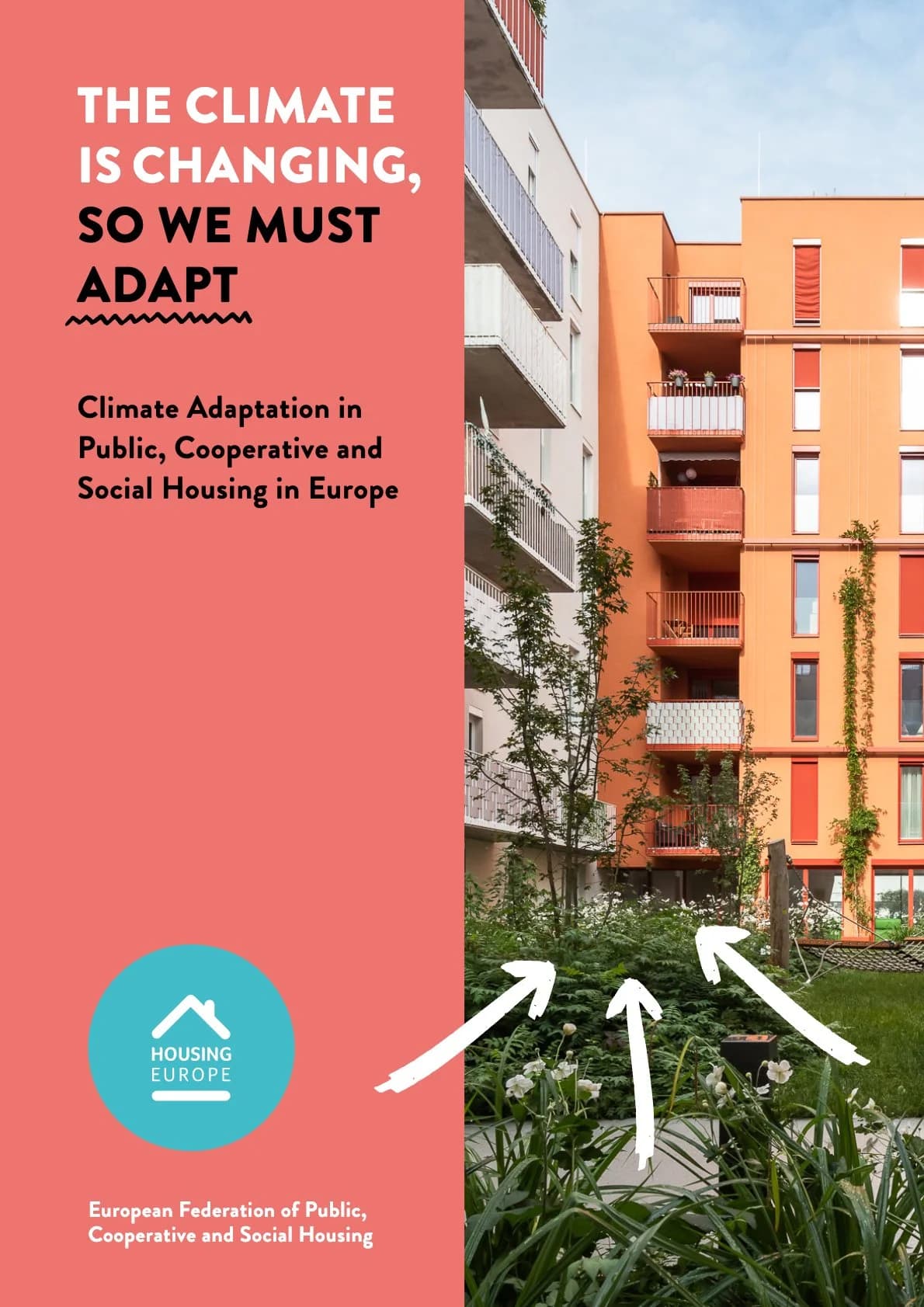
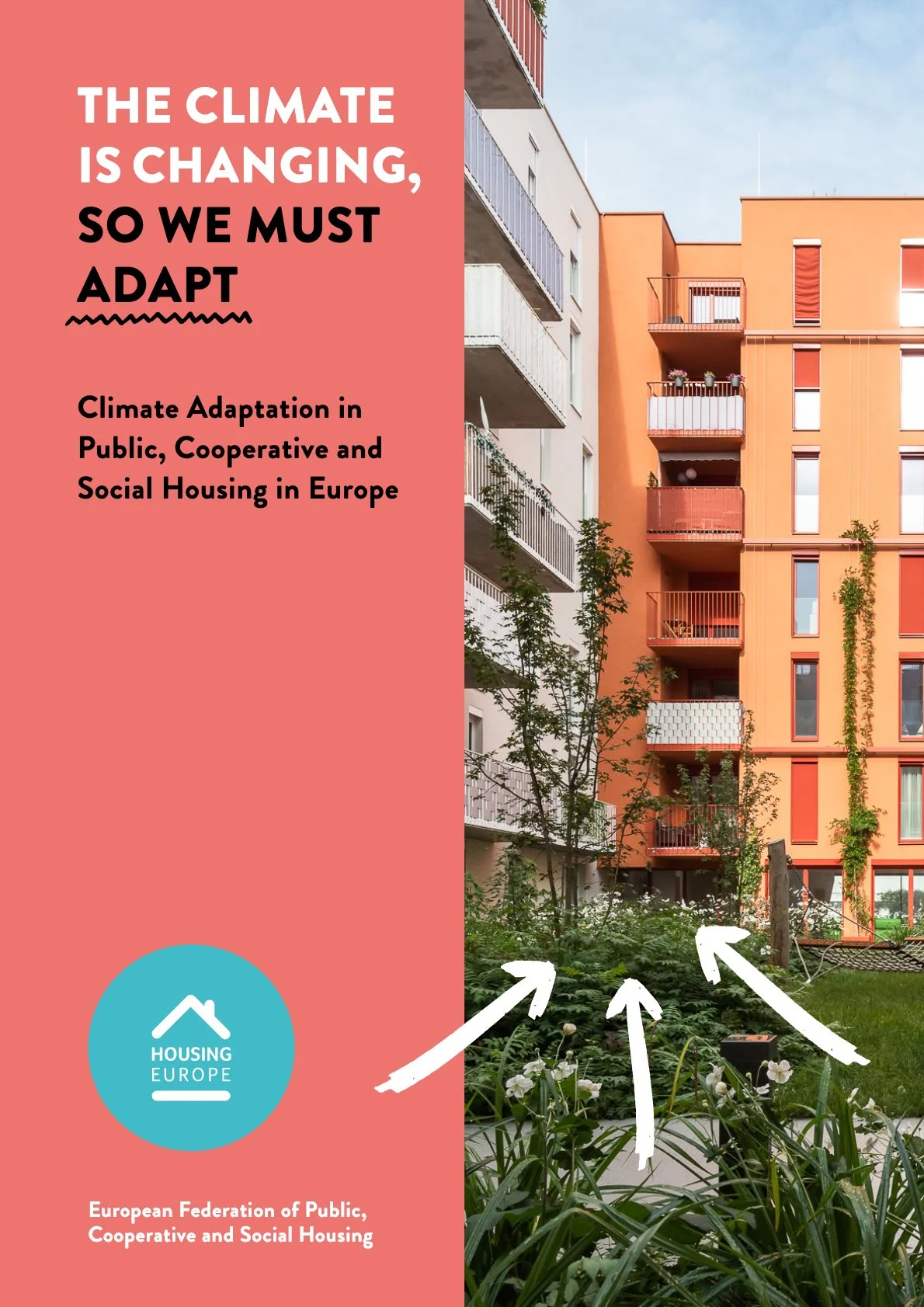
Overview of the Report
The European Federation of Public, Cooperative and Social Housing published a comprehensive study on climate adaptation for the housing sector across Europe. Authored by Clara Mafé and Diana Yordanova, the report draws on extensive research, case studies and stakeholder input to assess climate risks, current preparedness and adaptation options for public, cooperative and social housing providers.
Scope and Methodology
The study evaluates exposure to climate hazards such as floods, heatwaves, droughts and sea‑level rise, and analyses vulnerability linked to building age, tenant demographics and financial capacity. It combines quantitative data (e.g., €44.5 billion average annual economic losses, 85 % of heat‑related fatalities in the past 40 years) with qualitative insights from providers in Spain, Italy, France, Germany, Sweden, Finland, Belgium and others. The authors also map regional differences in risk and readiness.
Key Findings – Risk Levels
- High climate risk is identified for the sector overall, driven by ageing stock and increasing frequency of extreme events.
- Southern Europe faces intense heat, water scarcity and flood exposure; western regions contend with river flooding and urban heat islands; northern countries see rising temperature‑related overheating.
- Vulnerable groups—low‑income households, elderly residents and migrants—are disproportionately affected, amplifying social inequalities.
Current Readiness
Readiness is measured across six dimensions: experience, strategy, capacities, data, policy and investment.
- Experience varies: Italy shows strong disaster‑response practice, Sweden leads on nature‑based solutions, while many providers lack systematic adaptation experience.
- Strategic planning is uneven; only a minority have dedicated climate‑adaptation strategies, with most relying on municipal or regional policies.
- Capacity gaps persist, especially in financial resources and specialised staff; many organisations depend on external consultants.
- Data availability is fragmented; some countries (e.g., Sweden) have rich climate datasets, whereas others lack comprehensive exposure maps.
Adaptation Options Identified
The report outlines three main categories of measures:
- Nature‑Based Solutions (NBS) – green roofs, street trees, permeable pavements and urban wetlands to mitigate heat and manage stormwater.
- Building Design & Construction – passive cooling, thermal mass, solar shading, flood‑proofing and retrofitting for resilience.
- Spatial Planning & Awareness – zoning to avoid high‑risk areas, climate‑resilient urban planning, and tenant education programmes.
Investment Landscape
Funding is currently insufficient for adaptation. Most financial mechanisms prioritise energy‑efficiency over resilience. Specific examples include:
- €15 million direct aid in Wallonia for flood‑affected social housing and a €40 million credit line for restoration.
- €100 million German federal programme (2024‑2026) that includes adaptation measures, yet access for private cooperatives remains limited.
- Sustainable Tourism Tax in the Balearic Islands and Finnish public‑sector financing reforms aim to channel resources toward climate‑proof renovations.
Policy Context
The study references a patchwork of EU and national policies: the EU Green Taxonomy, European Climate Law, national adaptation strategies (e.g., Sweden’s expert council, Germany’s 2023 Climate‑Adaptation Law) and sector‑specific regulations such as France’s upcoming TRACC and PNAC. While frameworks are emerging, implementation gaps and the need for coordinated governance are highlighted.
Recommendations for Stakeholders
The authors propose a set of actions for European housing actors:
- Allocate dedicated EU funds for climate‑resilient housing and align Member‑State obligations.
- Simplify damage‑reporting procedures and develop affordable, collective insurance schemes.
- Strengthen in‑house expertise through training, peer learning and technical assistance.
- Enhance data interoperability, providing exposure maps linked to housing stock for targeted investment.
- Integrate adaptation criteria into renovation and cohesion programmes, and ensure energy‑efficiency measures do not create maladaptive outcomes.
Conclusion for a Sustainable Housing Audience
The report underscores that climate adaptation is a strategic imperative for Europe’s public, cooperative and social housing sector. High exposure, ageing stock and social vulnerability combine to create substantial risk, yet opportunities exist through nature‑based solutions, resilient design and coordinated policy action. Adequate financing, robust data, and clear governance are essential to protect vulnerable tenants, preserve affordable housing and contribute to a just, climate‑resilient transition across the continent.