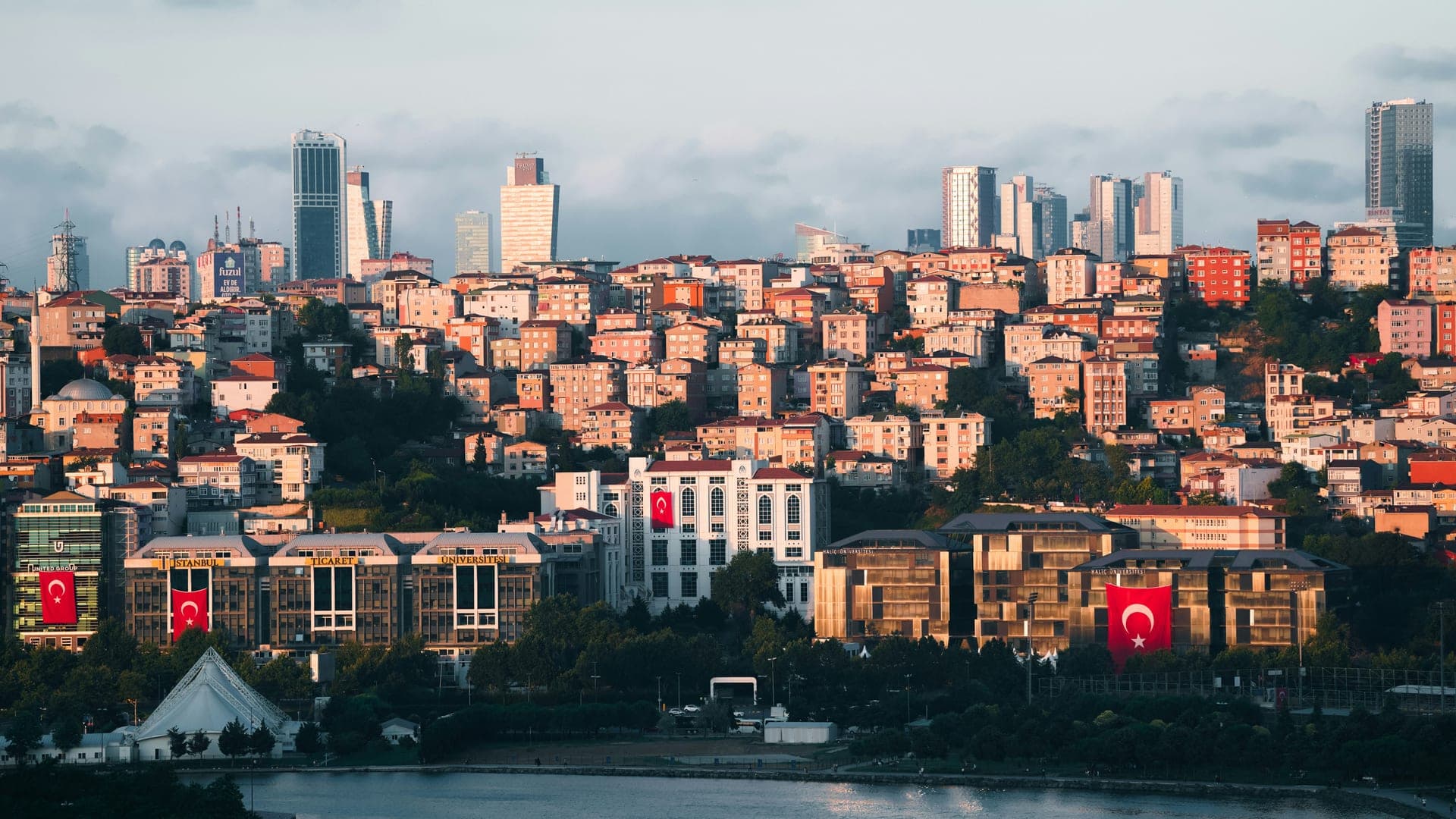
Turkey's housing landscape
Turkey combines distinctive housing-system with TOKİ federal social-housing developer + post-2023 earthquake-reconstruction context.
Turkey's housing system reflects its distinctive national context within the broader European housing-policy landscape.Cooperative + social housing context
Cooperative-housing tradition in Turkey operates within the broader regional housing-policy framework. The contemporary cooperative-housing-revival opportunity sits alongside the established housing-finance + governance institutions.
Istanbul (largest city) + Ankara (capital) + national housing policy
Turkey's housing politics runs through municipal + national channels. Hürriyet, Cumhuriyet, Sözcü, TRT cover from different angles.
- Contemporary[source]
Current housing-policy framework
Turkey combines distinctive housing-system with TOKİ federal social-housing developer + post-2023 earthquake-reconstruction context.
- Jul 2024[source]
25% cap on residential rent rises expires
The 25% annual cap on residential rent increases, introduced in June 2022 during high inflation, was not extended and lapsed in July 2024, with the finance minister opposing market intervention.
- 2025-10-24[source]
'Housing Project of the Century': 500,000 social homes
Erdoğan launched the Yüzyılın Konut Projesi ('Housing Project of the Century') in Istanbul: 500,000 social homes across all 81 provinces, including 100,000 in Istanbul and 30,000 in Ankara.
- 2025-12-27[source]
455,357 post-earthquake homes delivered
At a ceremony in Hatay, Erdoğan marked the delivery of 455,357 homes and workplaces built after the February 2023 earthquakes.
- 2025-12-29[source]
First TOKİ draw for the 500,000-home programme
TOKİ (the state housing agency) held the programme's first kura (lottery) in Adıyaman, allocating 6,620 homes; draws then continued province by province into 2026.
Lighthouse city in Turkey: Istanbul (largest city) + Ankara (capital)
References
Statistics1Click on any number to see the source
Population & migration
Further sources6
- Istanbul (largest city) + Ankara (capital) — Istanbul (largest city) + Ankara (capital)
- hurriyet — hurriyet
- cumhuriyet — cumhuriyet
- sozcu — sozcu
- trt — trt
- stat — stat
Funding & land tenure
What a housing cooperative could actually build on hereLand tenure has not been assessed for Turkey yet — that is a gap in the research, not a finding.