What privatisation left: thin rental over a cooperative tenth
Slovakia owns its homes more completely than almost any country in Europe, and it did so by design. When communism ended, the state handed the panelák flats — the prefabricated concrete blocks that still house a third of the population — to their sitting tenants for token sums. Act 182/1993 turned cooperative members and council tenants alike into outright owners within a decade. The result is a country where the housing question is rarely about who can buy and almost always about the people the ownership wave left outside it: the young, the newly-arrived, and anyone who needs to rent in a city where almost nobody does.
The tenure mix records that history with unusual starkness. Around 89.9% of Slovaks are owner-occupiers and only 10.1% are tenants — one of the widest ownership margins in the European Union. Within that thin rental base the cooperative tier still counts for 11% of all dwellings: roughly 200,000 flats held by about 200 bytové družstvá (housing cooperatives). Dedicated public and non-profit rental comes to barely 1%, and the open private-rental market to about 9.3%. The non-market segment is, in absolute terms, almost entirely cooperative — a sector that survived privatisation as owner-equity rather than disappearing into it.
- Owners
- Owner-occupier78.9%
- Cooperative11.0%
- Renters
- Public & non-profit rental0.80%
- Private rental9.3%
Public housing as a regulated category barely exists. Just 0.8% of the stock is dedicated social housing, among the smallest such shares in the EU, even though roughly 40% of households would qualify for a subsidised unit on income grounds. The state-supported rental tier created by Act 222/2022 is meant to fill the gap between social housing, market rent and a mortgage, but it remains a few thousand units in. Municipal cost-rent flats — the nájomné byty that councils let through the State Housing Development Fund — number only about 22,000 nationally. The regulatory layer, in other words, is being built almost from scratch.
The rent ladder explains why the cooperative flat is fought over. Municipal flats let at around €2.0 per square metre a month, cooperative flats at about €4.5, the all-stock median at €7.8, newly-signed private contracts at €11.2, and furnished lets at €14.0 all-in. A new private contract runs roughly five times a council rent and well over double the cooperative rate — so for a household priced out of ownership, a bytové družstvo flat is one of the few affordable footholds the cities still offer.
- Municipal / public
- Cooperative (bytové družstvo)
- All-stock median
- New contracts
- Furnished / serviced (gross)
Net-cold monthly rent per m² by tier (national median; furnished is gross, all-in). The cooperative and municipal floors sit far below the open market: a newly-signed private contract runs roughly five times a council rent, which is why the bytové družstvo flat is treated as one of the few affordable footholds left in the cities.
Empty and under-let space sits awkwardly beside the shortage. Residential vacancy ran at 9.8% at the last census — much of it ageing, depopulating stock in the rural north and east rather than in tight Bratislava — while office vacancy has climbed to 16.2%, leaving some 340,000 square metres of empty floor concentrated in the capital. Short-stay rentals drain a further sliver of the urban supply: Slovak platforms booked about 3,789,511 guest nights in a recent year, at a median €58 a night for a one-bed, a lower-bound read on how much city housing has shifted to tourists rather than residents.
On the demand side the country absorbs about 52,000 inbound moves a year against roughly 17,000 residential building permits — a persistent gap across a total stock of around 2,250,000 dwellings, much of it the ageing panelák built half a century ago.
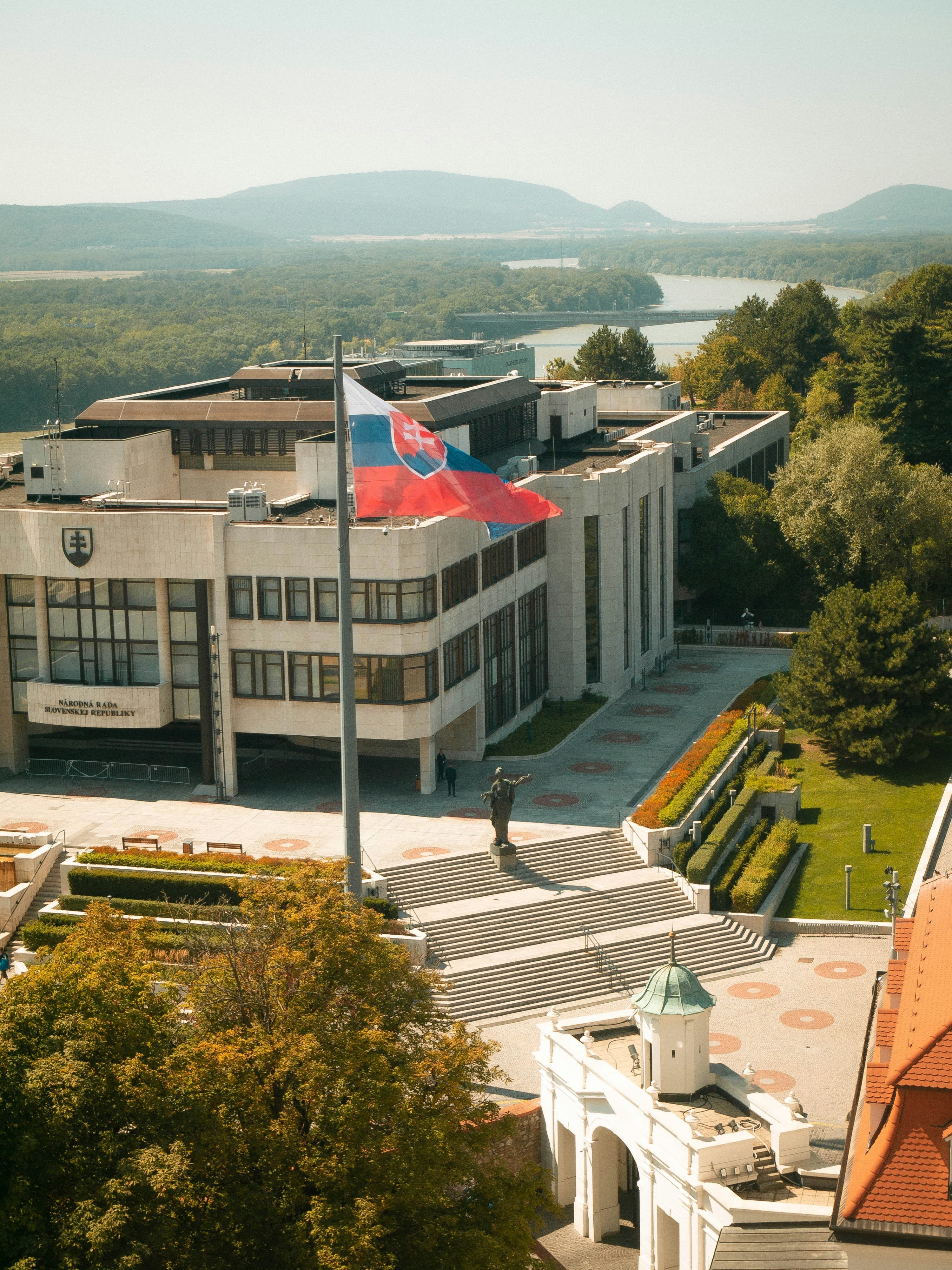
How heavily the squeeze falls is the part the headline ownership rate hides. The Transport Ministry's own data put the national shortfall at more than half a million flats, and construction of new homes has sunk to its weakest in a decade. Amnesty International's 2024 report on the right to housing in Slovakia documents Roma settlements and low-income households shut out of an almost purely ownership market with no rental safety net beneath them — a market in which roughly 9,000 people are counted as homeless and about 3,000 court-ordered evictions proceed each year. The country that privatised its way to near-total ownership now finds that ownership is exactly what a growing minority cannot reach.
Bytové družstvá: the form that outlived the give-away
The Slovak cooperative is an ownership-aligned form, and that is the key to understanding what survived 1993. A bytové družstvo (housing cooperative) historically came in two kinds: tenant-members, who paid a rent-like contribution and held mandatory membership, and owner-occupiers, who held their flat with only a minimal cooperative stake. When privatisation arrived, most cooperative flats were bought out by their occupants under Act 182/1993, so the equity flowed to the member rather than staying locked in a cost-rent commons. What remained was less a cost-rent landlord than a durable management and ownership-administration body — but it remained, with its stock intact, where so much else dissolved.
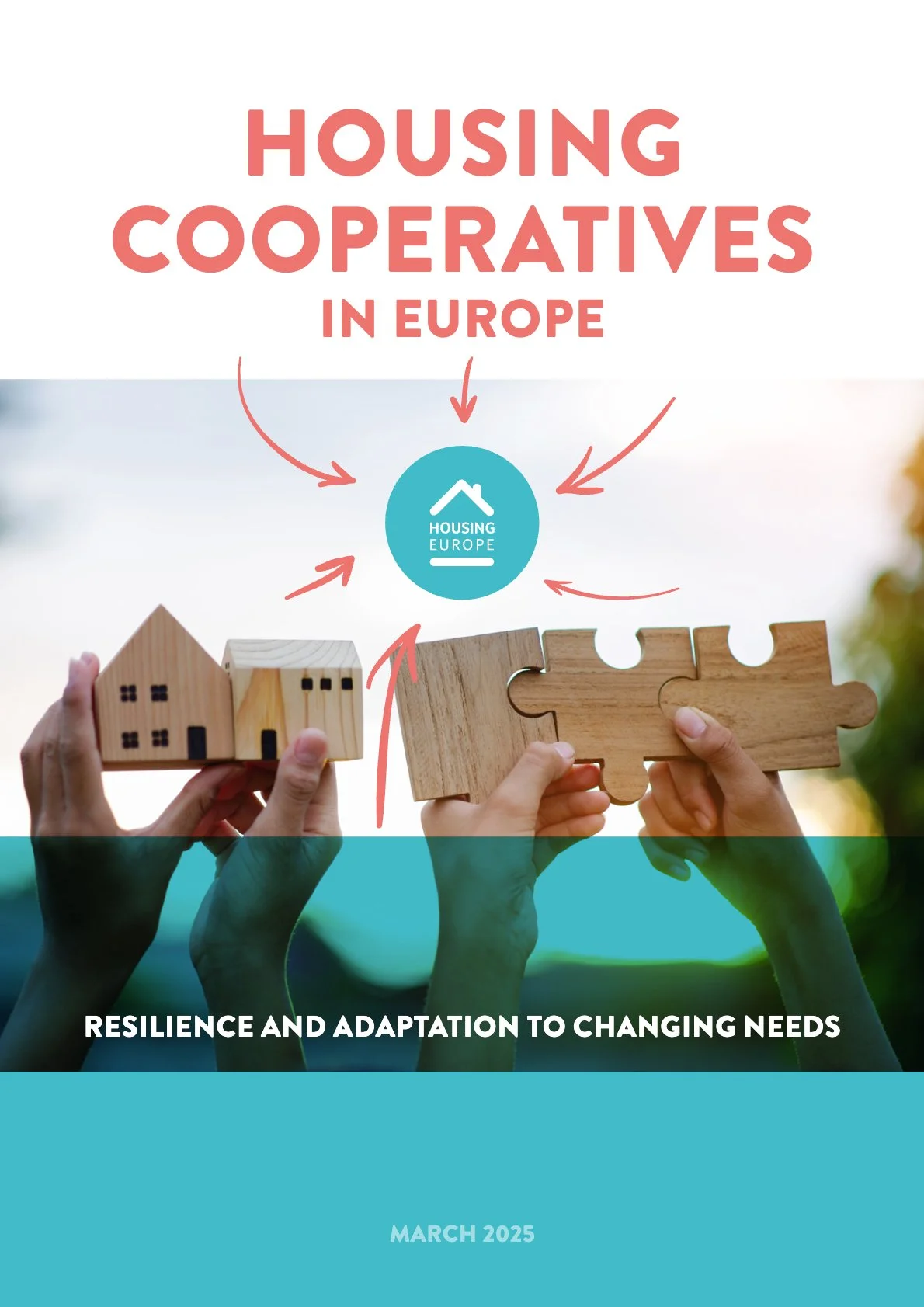
The tradition runs in a continuous line from 1918, when the first Slovak bytové družstvá were founded as Czechoslovakia formed. Cooperative and state builders drove the panelák decades from 1946 to 1981 — output peaked above 18,000 cooperative units in 1980 alone — raising the sídlisko (housing-estate) districts that still define the cities. The Housing Europe survey of European cooperative housing places this Central European story in its wider frame: cooperatives that bent to a changing political order without breaking, adapting their legal form repeatedly while keeping their members housed.
Today the present scale is still substantial despite the give-away. About 200 bytové družstvá hold roughly 200,000 flats — some 11% of the national stock — and around 12% of Slovaks live in a cooperative-administered home. That is a larger relative cooperative share than neighbouring Czechia, and it makes the sector the single biggest organised landlord-and-manager outside the open market. The Slovenský zväz bytových družstiev (the Slovak Union of Housing Cooperatives, or SZBD), founded in 1969, federates the sector: by its own account it now represents 95 housing cooperatives managing around 290,000 apartments, and provides them legal support and training.
The sector today divides along a clear line. On one side are the legacy bytové družstvá: the century-old societies that administer the privatised panelák stock, where membership is now often optional and the pressing task is the energy-retrofit of ageing concrete and an ageing membership, not finding land. On the other is a small but genuinely new strand — market družstevné bývanie (cooperative housing), a mortgage-free purchase model relaunched in Bratislava in 2024 explicitly on Czech and Finnish precedents, aimed at households the banks will not lend to. The two share a name and a legal lineage but almost nothing of their problem set: one manages a settled inheritance, the other is trying to invent a contemporary cooperative product from a near-standing start.
Governance and legal form sit on familiar cooperative footing. A bytové družstvo is constituted under the Commercial Code with an elected board and professional management; members hold transfer rights to their units and rents are internally regulated. The federation layer is thin by Western European standards — one union, a handful of supporting statutes on ownership adjustment, housing-savings schemes and energy performance — and honest observers note that for the legacy stock the cooperative is now closer to a condominium administrator than to the cost-rent housing engine the word implies elsewhere in Europe. Whether the new market-cooperative pilots can rebuild that engine, or remain a niche workaround for a mortgage drought, is the open question the sector now carries.
Building a rental tier from almost nothing: the 222/2022 wager
Slovak housing policy is trying to construct, in real time, the rental tier that privatisation erased. The central instrument is Act 222/2022 on state-supported rental housing, passed by the Národná rada in 2022, which creates a publicly-backed mid-rent product between social housing and the open market — rents pegged to flat size and location and adjusted to inflation each year. The appetite is plainly there: when the dedicated agency opened pre-registration, it drew 4,000 applications in the first 24 hours. The evidence that it works is thinner. The first completed scheme, 102 flats at Ovocné Sady, sat only a quarter occupied because the rents — around €550 a month for a two-bed — still outran what its target households could pay.
Beneath that headline act sits the older machinery the policy actually runs on. The Štátny fond rozvoja bývania, the revolving State Housing Development Fund established in 1996, lends to municipalities and cooperatives for new construction; alongside it the Transport and Construction Ministry pays a non-repayable grant for council rental flats. In February 2026 that grant nearly fell to budget consolidation — and the fight to save it became the clearest statement of where the government stands. The state found €25 million to restore it, unblocking around 500 council flats that were ready to start, against a planned pipeline of roughly 1,800. A 2025 amendment also widened the eligible stock to converted non-residential and mixed-use buildings, quietly opening the door to office-to-residential conversion as supply.
The construction of rental flats through the State Housing Development Fund and through the Transport Ministry grant cannot be allowed to become a victim of fiscal consolidation.Cooperative support, where it exists, is indirect rather than named. There is no Slovak law that routes land or capital to bytové družstvá the way the rental act routes it to its approved operators. The market družstevné bývanie pilots have so far run on private developer capital and member contributions, not state instruments — which is precisely the gap the sector points to. The Housing Policy of the Slovak Republic until 2030 sketches the wider goals: a larger publicly-backed rental tier, deep renovation of the panelák stock (Slovakia renovates barely 0.8% of its buildings a year, far below the pace its climate commitments imply), and a curb on greenfield land-take in favour of densifying the existing estates. Whether cooperatives are treated as a delivery partner for any of this, or left to the market, is still unsettled.
Two camps frame the argument, and they agree on the diagnosis while splitting on the cure. The governing side, led by Prime Minister Robert Fico, treats publicly-financed rental construction through the ŠFRB and the ministry grant as the priority — a state-led build-out of the missing tier, defended even against its own consolidation drive. The opposition and much of the expert commentary argue the same shortage demands going further and structurally: full-value mortgages for first buyers, tens of thousands of new flats, and a frank acknowledgement of housing need rather than incremental grants. Both accept that a country which sold off its rental stock now has to rebuild one; they differ on whether the state should be the builder or the guarantor, and how fast.
- 1918[source]
First housing cooperatives
The first Slovak bytové družstvá (housing cooperatives) are founded as Czechoslovakia takes shape — the origin point the present federation still dates itself from.
- 1969[source]
Slovenský zväz bytových družstiev founded
The Slovak Union of Housing Cooperatives is established as the federating body for the sector, a role it still holds — today providing legal support and training to its 95 member cooperatives.
- 1946–1981[source]
The panelák decades
Cooperative and state builders raise the prefabricated panelák estates that still house a third of the country; output peaks at over 18,000 cooperative units in 1980 alone.
- 1993[source]
Act 182/1993 — the give-away privatisation
The Ownership of Flats Act lets sitting tenants — including cooperative members — buy their panelák flats on favourable terms, pushing owner-occupation toward 90% and hollowing out the rental market within a decade.
- 1996[source]
State Housing Development Fund created
The Štátny fond rozvoja bývania is set up as a revolving fund to lend to municipalities and cooperatives for new rental construction — the main public financing channel ever since.
- 2022[source]
Act 222/2022 on state-supported rental housing
The Národná rada passes a framework for a new mid-rent tier between social housing and the open market; pre-registration draws 4,000 applications in the first 24 hours.
- 2024[source]
First market družstevné bývanie pilot
A Bratislava developer launches the first market-rate cooperative-housing pilot since the transition — modelled on Czech and Finnish cooperatives — reaching its required membership in under two months.
- 2026[source]
Municipal rental grant restored
After budget consolidation threatened to cut it, the government finds €25 million to resume the non-repayable grant for councils building rental flats through the ŠFRB, unblocking around 500 immediate units of a planned ~1,800.
- 2030[source]
Housing Policy of the Slovak Republic horizon
The national housing-policy concept runs to 2030, targeting a larger publicly-backed rental tier, deep renovation of the ageing panelák stock and a slow rebalancing away from near-total ownership.
From the first bytové družstvá of 1918 through the socialist panelák boom, the 1993 give-away privatisation, the 2022 state-rental act and the 2026 restored municipal grant, to the 2030 housing-policy horizon.
Where the new rental tier is actually being poured: Bratislava and beyond
The clearest test of Slovakia's housing turn is not in the statutes but in the cranes around Bratislava, where almost all of the country's experimental rental and cooperative supply is currently going up. After a generation in which the cities built almost nothing for rent, a handful of schemes are now trying to demonstrate that a non-ownership home is buildable again — each one a small wager that the missing tier can be poured rather than merely legislated.
The municipal strand runs through the capital's own housing arm. In Bratislava-Ružinov, the Nový Ružinov scheme is delivering a council building of more than a hundred flats — split between new municipal rentals and replacement tenancies — picked from a 76-entry architectural competition and handed to residents in 2025. It is the most visible piece of the city's wider drive to build several thousand municipal nájomné byty over the decade, the cost-rent counterweight to a private market that has run away from ordinary incomes.
The cooperative strand is newer and runs on private initiative. The first market družstevné bývanie pilot since the transition launched in 2024 in the NUPPU development in Ružinov — a mortgage-free purchase route for buyers the banks had turned away, modelled openly on Czech and Finnish cooperatives. Its first cooperative phase reached the membership it needed in under two months, and the developer extended the model to a second Bratislava project on the strength of that response. It is small — tens of homes, not thousands — but it is the first contemporary proof that a Slovak household can co-buy into housing outside the mortgage system.
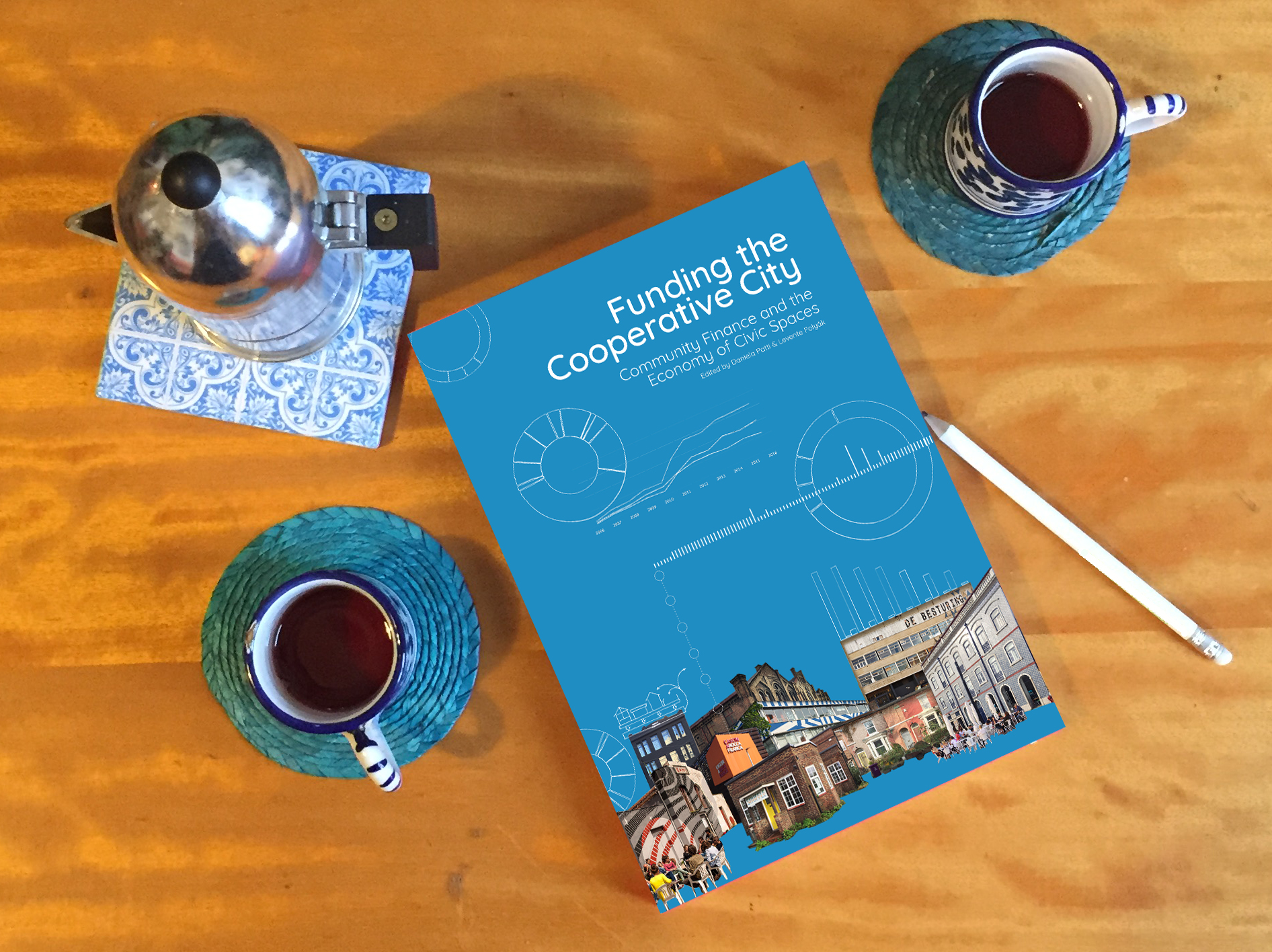
Holding the older sector together is the federation rather than any single flagship building. The Slovenský zväz bytových družstiev still federates the legacy bytové družstvá and carries their legal and retrofit agenda; the Štátny fond rozvoja bývania remains the public lender that any cost-rent scheme ultimately leans on. The pattern that Funding the Cooperative City traces across Europe — patient capital plus public land plus a federating body — is, in Slovakia, only half-present: the federation and the public fund exist, but the patient capital and the land routed deliberately to cooperatives largely do not. The lighthouse projects above are, for now, the country testing whether the other half can be built.
References
Statistics17Click on any number to see the source
Housing market
Tenure & affordability
Cooperative, social & public
Adaptive reuse & vacancy
Population & migration
From our library2
Further sources13
- Slovenský zväz bytových družstiev (SZBD) — SZBD
- Cooperative Housing International — Slovakia — Cooperative Housing International
- Act 222/2022 on state-supported rental housing — Slov-Lex
- Act 182/1993 on Ownership of Flats — Slov-Lex
- Štátny fond rozvoja bývania (State Housing Development Fund) — ŠFRB
- Housing Policy of the Slovak Republic until 2030 — MINDOP
- PM Fico restores municipal rental grant (yimba.sk, 2026) — yimba.sk
- YIT Slovakia — cooperative-housing pilot launch (2024) — YIT Slovakia
- YIT Slovakia — cooperative-housing pilot success + extension — YIT Slovakia
- Denník N — first mortgage-free cooperative flats (Czech + Finnish model) — Denník N
- City of Bratislava — public rental housing projects — Mesto Bratislava
- Amnesty International — Unattainable Right to Housing in Slovakia (2024) — Amnesty International
- OECD Ecoscope — Slovak housing-market challenges (2024) — OECD