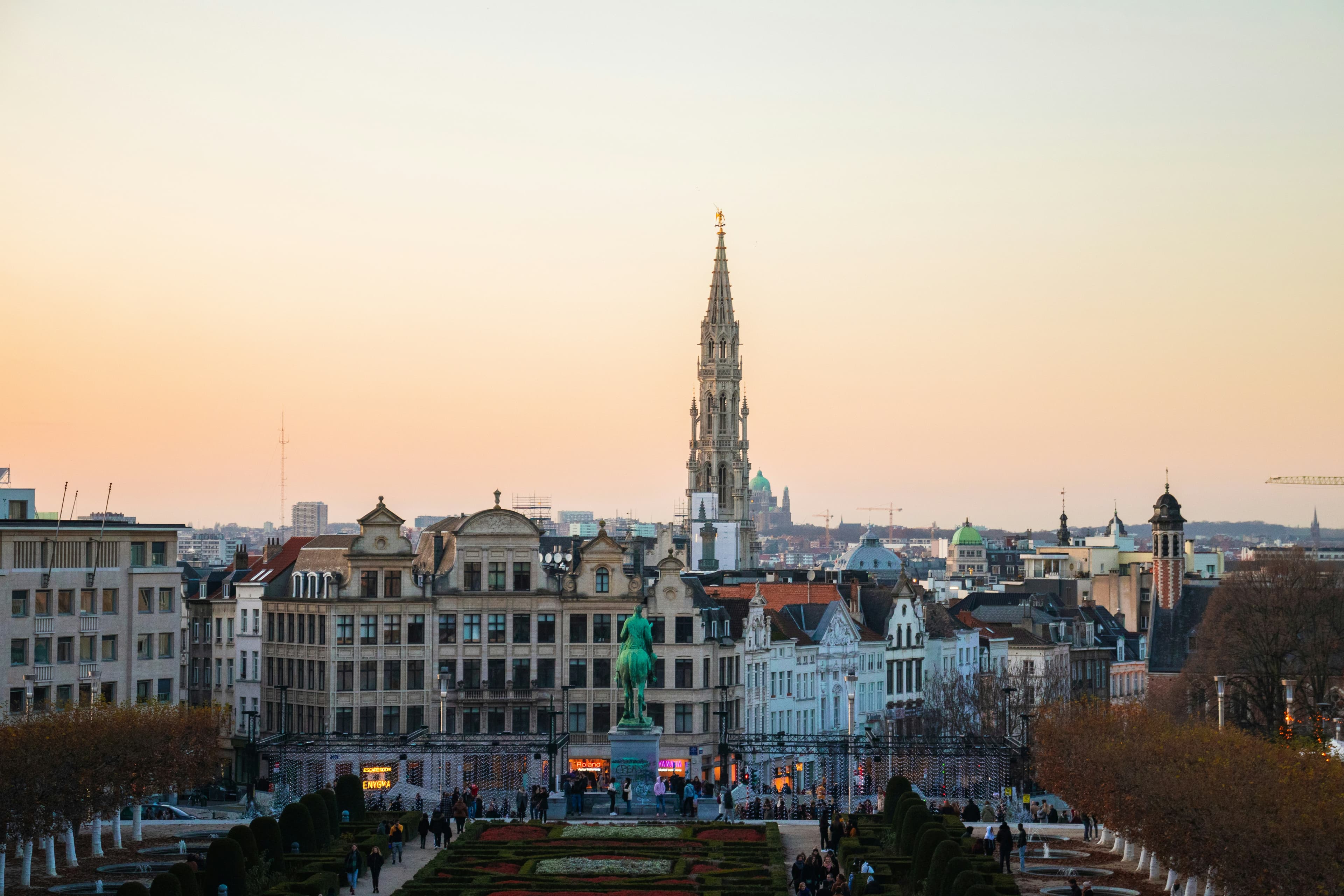
The capital that rents
Brussels is a city of borrowed institutions and a divided map. It hosts the European Union and NATO, speaks French and Dutch in the same street, and splits its 0.20 million people across nineteen communes with their own mayors. That fragmentation runs through the housing system too. Brussels is one of Europe's great tenant cities, with a large private-rental sector, a small public stock, and a cooperative tier so thin it barely registers.
Renting, not owning, is the Brussels norm — and that sets the capital apart from most of the continent. Only 38.5% of households own the home they live in; the other 58.0% rent, a tenant share above almost every comparable European city. Public housing, owned and let by the regional landlord SLRB, the Brussels social-housing company, makes up just 6.8% of dwellings, roughly 40,000 flats. Cooperatives are tiny: about 0.07% of the stock, some 400 homes across only 3 cooperatives, most of them community-land-trust units. Private landlords let the remaining 51%, the balance that fills out a tenure map dominated by renting.
- Owners
- Owner-occupier38.5%
- Renters
- Public & non-profit rental6.8%
- Cooperative0.07%
- Private rental51.1%
- Unclassified3.5%
- Unknown / Other3.5%
Social housing here is a regulatory layer, not a separate tenure. About 7.2% of Brussels dwellings carry a social-housing rule — a sub-market lease and an income test that overlays the tenure map rather than forming a slice of its own. Almost all of it sits inside the SLRB's public stock; a thin extra layer runs through social rental agencies, which take private flats under a regulated lease. The eligibility threshold is wide: roughly 60% of Brussels households earn little enough to qualify for social housing, far more than the system can ever house.
Climb from the regulated floor to the open market and the price roughly triples. Tenants in the SLRB's public flats pay around €5.80 per square metre, and the social and trust-aligned tier near €9. Across the whole stock the median is about €11.80; sign a new lease today and the median jumps to €13.50, while furnished, serviced lets reach €17 per square metre gross. The gap between the public floor and a fresh market contract is more than two to one — the affordability problem compressed into a single line.
- Public/municipal housing
- Cooperative
- All-stock median
- New contracts
- Furnished / serviced (gross)
Net-cold monthly rent per square metre by tier (furnished is gross, all-in). The regulated public floor sits far below the market median; a newly-let private contract runs more than twice the public rate.
What stands empty in Brussels tilts heavily toward offices rather than homes. Residential vacancy runs at about 6.5%, and the region's empty-buildings register counts roughly 15,000 long-term vacant homes. Offices are looser still: around 970,000 square metres stand vacant, about 8.2% of a 13000000-million-square-metre office market built for an administrative city that now works partly from home. Tourist-rental pressure is milder than in holiday capitals but tightly clustered. Full-time entire-home short-term lets account for an estimated 2,030 dwellings, with roughly a third of them packed into the central Bruxelles commune alone.
Newcomers keep arriving faster than the city can build for them. Each year about 41,000 people a year move in on net, yet the region signs off only about 4,500 housing permits annually. The squeeze hits the poorest hardest — around 7,100 people are homeless and some 1,700 households face eviction proceedings each year — but it has long since climbed past them. With six in ten residents renting and a social-housing waiting list far longer than the stock, middle-income tenants are caught too, and about 9% of households live in energy poverty, unable to heat an ageing home. EU researchers rank affordability among the continent's sharpest social problems, and Brussels sits near the top of that distribution.
A cooperative tradition that took a different road
Brussels never built a housing-cooperative sector on the Vienna or Zurich scale. What it built instead was the community land trust — in French, the fiducie foncière communautaire — a model that splits the home from the land. A resident buys the building; the trust keeps the land as a common good and resells under a formula that caps the price. The effect is close to limited-equity ownership: the buyer gains a stable home and modest equity, but the windfall of land speculation is removed for good.
The tradition has two roots. One is financial: Belgium has a deep cooperative-banking history, and groups like Cera, the cooperative behind one of the country's largest banks, still channel member savings toward social aims. The other is the housing-rights movement of the 2000s, when neighbourhood associations, frustrated by a shrinking social stock, looked abroad for a model that could deliver permanently affordable homes without waiting for the region to build them. They found the community land trust in the United States and adapted it. Community Land Trust Brussels, founded in 2010, was the first of its kind in continental Europe.
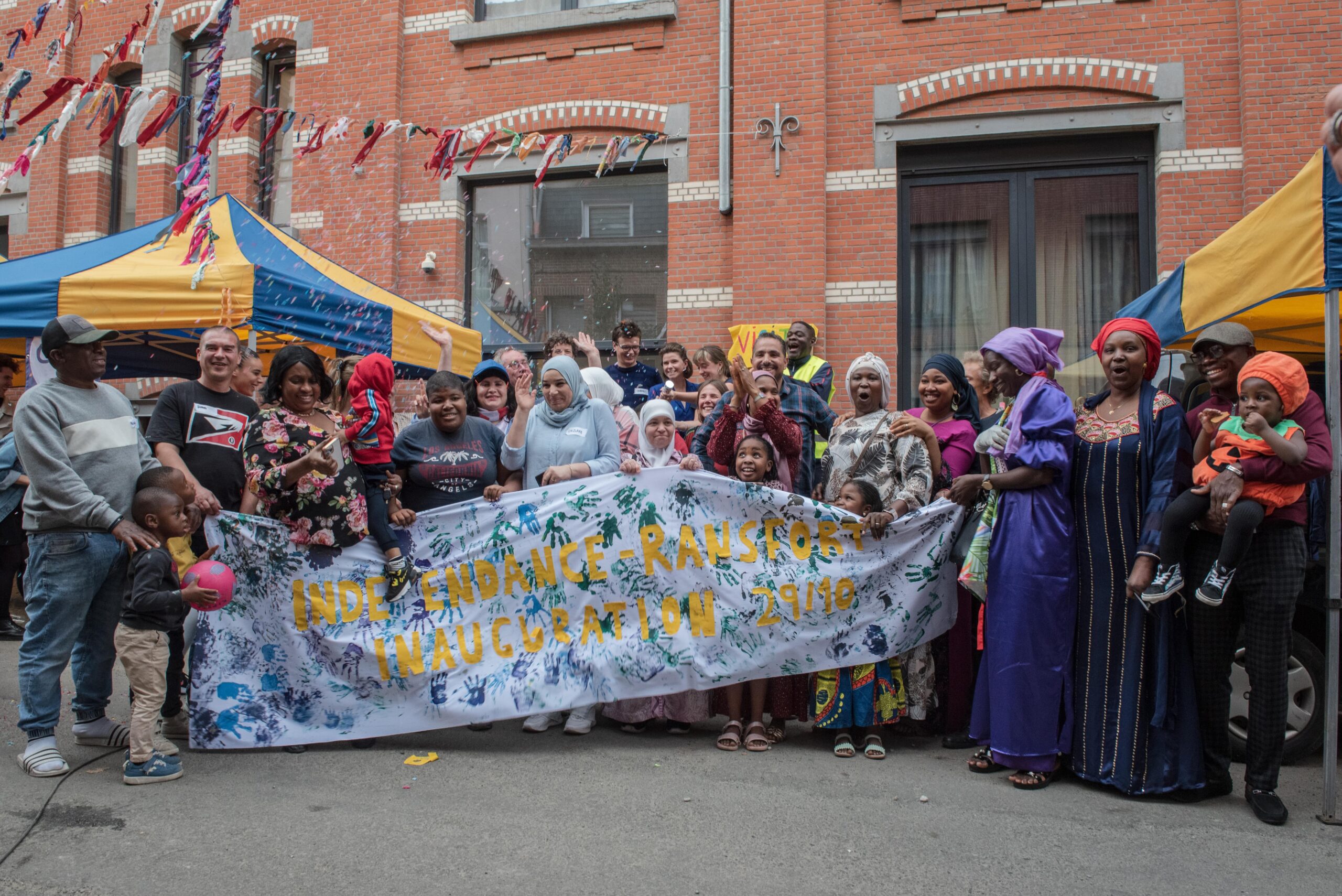
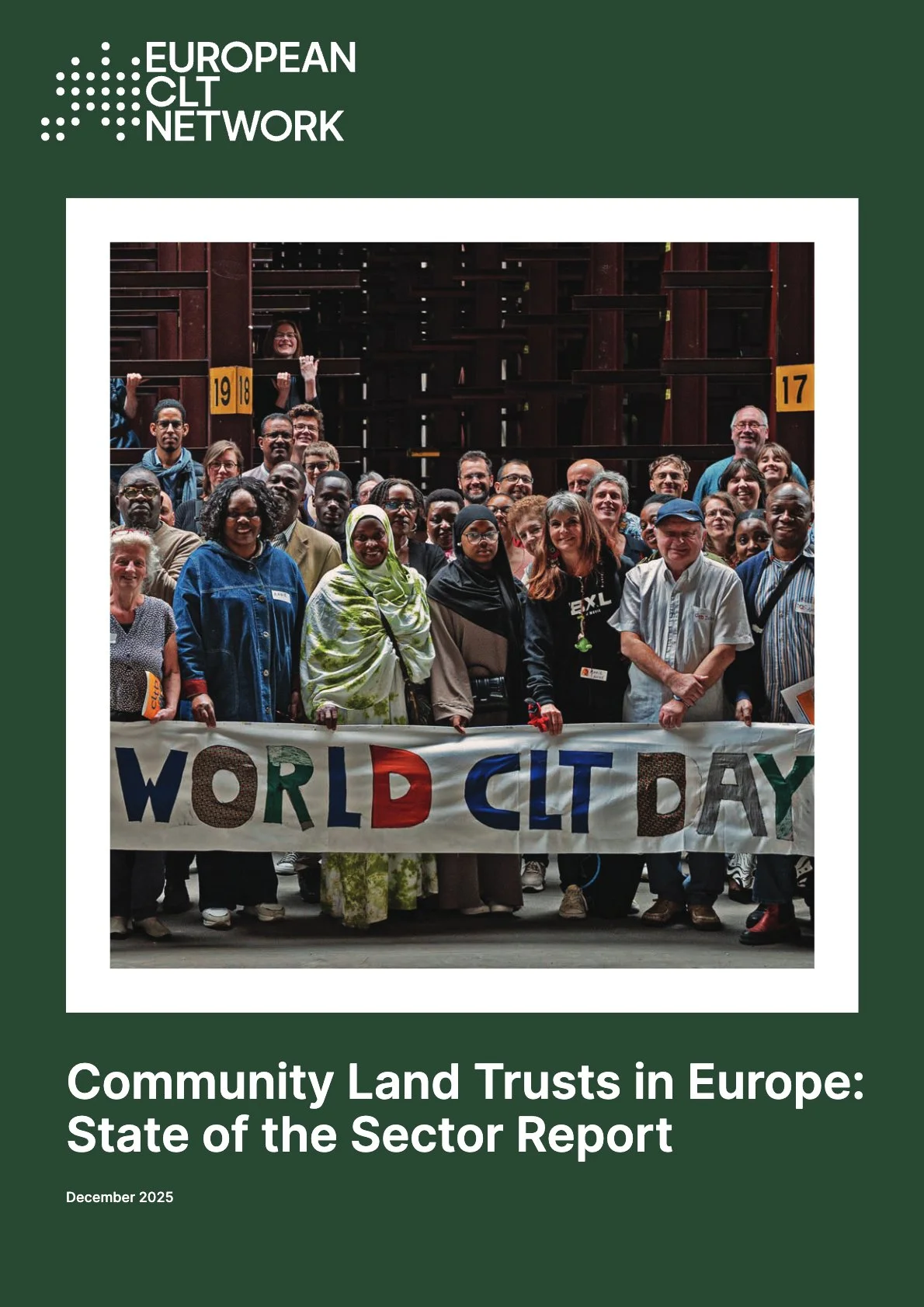
Today the non-market sector clusters into three groups with different problems. The community land trust is the anchor: CLTB now houses more than 500 Bruxellois, with around a hundred homes finished and as many again in construction, and it operates a participatory model in which future residents help design and run their projects. A second cluster is the participatory-housing movement — groups supported by Habitat et Participation and developers like Fairground Brussels — that builds co-housing and self-build schemes, sometimes inside the trust framework and sometimes alongside it. A third is the circular-construction world, where the worker cooperative Rotor DC dismantles and resells building parts, tying the cooperative idea to material reuse. The trust struggles with land cost and the pace of public funding; the co-housing groups struggle with finance and planning; all of them depend on a region willing to lease or grant land. How this kind of civic housing pays for itself is the subject of Funding the Cooperative City, a study of community finance for civic spaces.
Where the trust sits in regional policy is what carries this story into Brussels' politics. Brussels treats the community land trust as a deliberate channel for permanent affordability, not a charitable add-on: it grants or leases public land, subsidises the build, and recognises the trust in regional housing law. The model has become a reference across Europe, knitted into a cross-border network of land trusts that share legal templates and financing ideas, and Brussels is its founding example.
A new government, an old shortage
Brussels spent more than eighteen months without a full government after the 2024 regional vote, a record deadlock for the city. In February 2026 a seven-party coalition led by Boris Dilliès of the liberal MR finally took office, and named housing one of its three priorities. Karine Lalieux of the PS holds the housing brief as State Secretary, and the early signal is continuity of supply: the region is funding the social rental agencies — bodies that place private flats under a regulated, sub-market lease — to cover 8,109 dwellings, up from 7,978 the year before, and topping up the social-housing landlord SLRB.
Few European capitals hold as many housing levers in regional hands as Brussels does. Belgium devolved housing to the regions, so the Brussels-Capital Region sets tenancy rules, subsidies and the social-housing framework. Below it sit the nineteen communes, each with its own public-housing companies and planning powers. That makes coordination hard and the map of who builds what genuinely complex. The region's main tools are the SLRB for public building, grants to the trust and the social rental agencies, and a fund that lends below market rates.
The cooperative and trust sectors sit deliberately inside this programme. The region grants or leases public land to Community Land Trust Brussels rather than selling it, and subsidises the build. It treats the trust as a way to add permanently affordable homes the budget could not deliver as fast alone. The policy is modest but explicit: a small annual subsidy keeps the trust building, and its homes stay below market in perpetuity through the resale formula.
Those vacant offices have become the city's signature policy answer to the shortage. Brussels has turned its glut of obsolete offices into a housing pipeline: around one in five new homes in the region is now a converted office, with close to 180,000 square metres reworked in a single recent year. The conversion turn is environmental as much as it is about supply — reusing a structure emits far less than demolition and rebuild — and the wider obsolescence of European offices makes the model exportable. The region's empty-buildings register and a vacancy charge press long-term empty homes back into use, though slow permitting across nineteen communes remains the binding constraint.
- 2010[source]
Community Land Trust Brussels founded
A coalition of neighbourhood groups and the Brussels Region launch the first community land trust in continental Europe, separating the cost of land from the price of the home to keep housing permanently affordable.
- 2013[source]
Savonnerie Heymans completed
The municipal landlord Le Logement Bruxellois turns a former soap factory near the Grand-Place into 42 low-energy and passive social dwellings, an early proof that dense social housing can be built to a high environmental standard.
- 2015[source]
L'Ecluse, the first CLT homes
CLTB delivers its first project, nine affordable homes beside a canal lock, where residents buy the building but the trust keeps the land — cutting the purchase price roughly 40% below the private market.
- 2020[source]
Calico opens
A 34-home care-and-living project in Forest combines affordable ownership and social rental inside the CLT framework, with birth and end-of-life facilities open to the wider neighbourhood.
- 2024[source]
The office-conversion turn
Around one in five new Brussels homes is now a converted office, with nearly 180,000 square metres turned to housing in a single year as the region leans on its empty office stock.
- Feb 2026[source]
Dilliès government sworn in
After a record post-election deadlock, a seven-party coalition led by Boris Dilliès takes office and names housing one of its three priorities, with Karine Lalieux holding the housing brief.
- 2026[source]
Social-rental agencies scaled up
The region funds the social rental agencies — which place private flats under regulated, sub-market leases — to cover 8,109 dwellings, up from 7,978 the year before.
- 2029[source]
Budget-balance horizon
The coalition commits to balancing the regional budget by 2029, the fiscal frame that will decide how far the housing and social-rental programmes can be scaled.
- 2030[source]
CLTB neighbourhood pipeline
Community Land Trust Brussels aims to keep adding affordable homes through the decade, with several projects in construction and a target of roughly 2,000 square metres of new housing a year.
From the founding of Europe’s first community land trust to the office-conversion turn and the 2026 government that put housing among its three priorities.
In Brussels, decarbonising the stock and expanding it have become one and the same task. The Brussels stock averages around 70 years old, only about 16% of dwellings count as energy-efficient, and the renovation rate crawls at roughly 1.1% a year — far short of the EU's deep-retrofit targets. The new region folds energy renovation and reuse into its planning rules, and the office-to-housing conversions, the trust's retrofit work and the passive social blocks are the main vehicles for cutting the sector's carbon. That ties the climate goal directly to the non-market tier the region is trying to grow.
We will go on building social housing in the years ahead — I really want people to hear that!In Brussels the argument turns on who pays for the non-market tier and who gets to live in it. The housing brief has been tested early by the Foyer anderlechtois affair, a row over allocations at one public landlord, and Karine Lalieux has defended the wider system while promising to keep building. Geert De Pauw, who coordinates Community Land Trust Brussels, makes the case from the supply side: the model reaches the most fragile households precisely because public authorities underwrite it. Neither side disputes that the non-market tier must expand; they part company over the pace, and over who in a fractured region carries the cost.
For us, the community land trust is meant first for a vulnerable public. So the backing of the public authorities is indispensable.On borrowed land: the trust, the soap factory and the converted office
Brussels' working examples run from a single canal-side trust building to whole barracks reborn as housing, and the thread that connects them is land held in common and structures kept rather than razed. The projects below run from the most fully decommodified to the most experimental, before turning to the actors trying to make the model repeatable across a fragmented city.
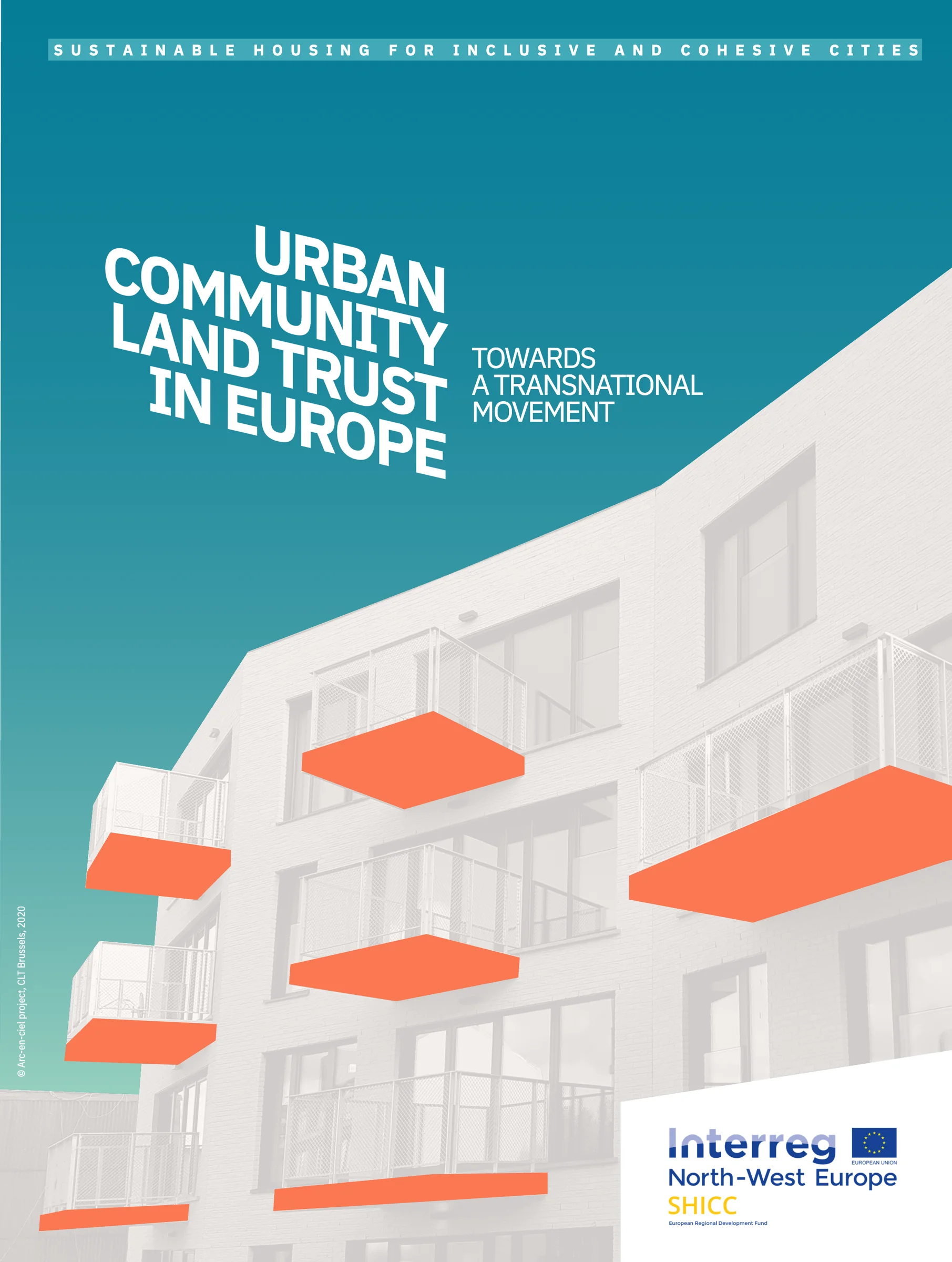
Community Land Trust Brussels is the anchor, and L'Ecluse is where it started. Nine affordable homes beside a canal lock, finished in 2015 and subsidised by the region, L'Ecluse was the first completed project of the first community land trust in continental Europe — residents own the building while the trust keeps the land, holding the price roughly 40% below the market. Its caveat is the one the whole model carries: the trust grows only as fast as public land and subsidy allow, which is why it houses hundreds rather than thousands after fifteen years.
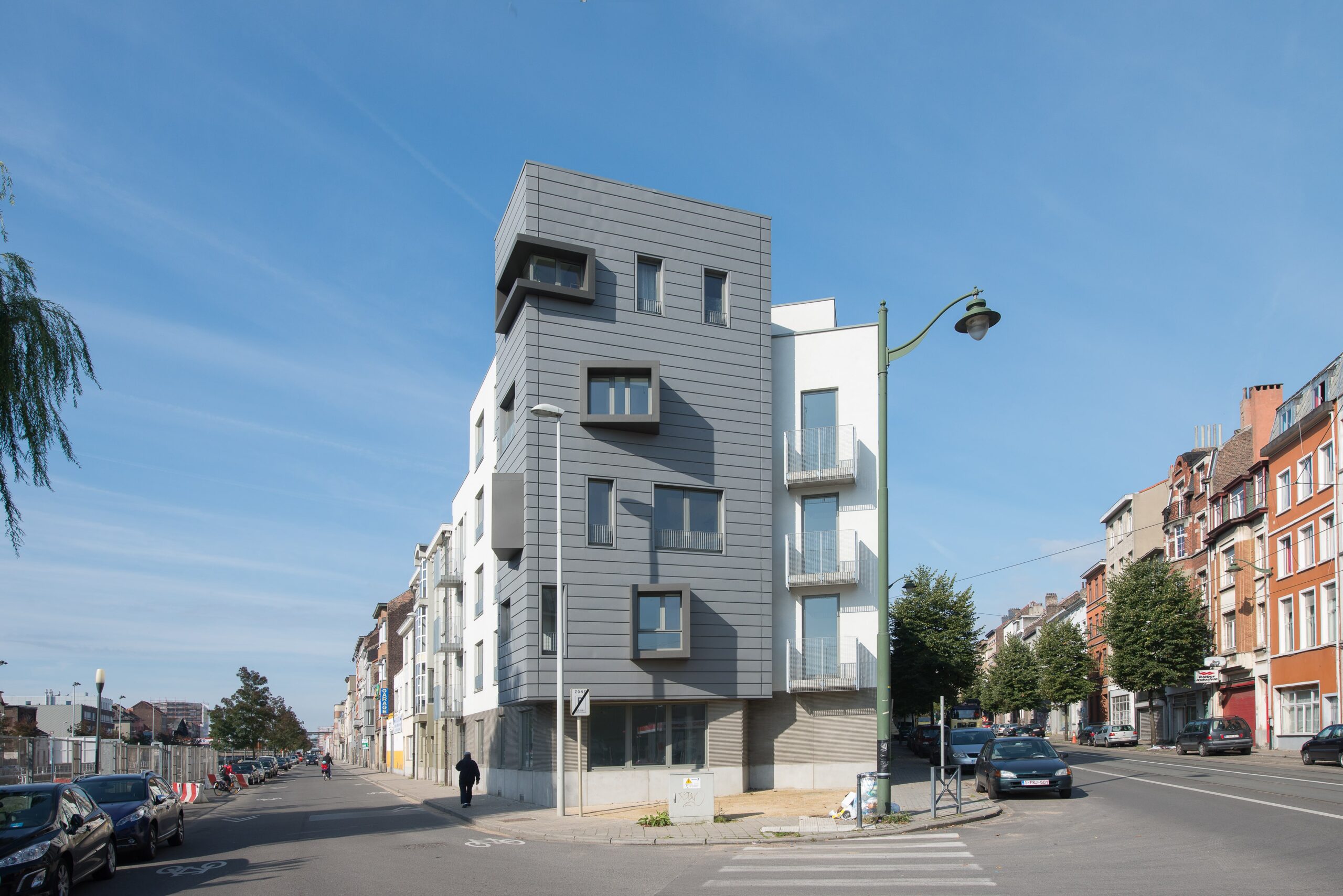
Calico takes the trust idea further into care. A 34-home project in Forest, built inside the CLT framework, it mixes affordable ownership with social rental and adds shared birth and end-of-life facilities open to the neighbourhood — an attempt to design ageing and mutual support into the building itself. The complexity is the friction: four partners co-manage it, and weaving social rental, ownership and care services into one anti-speculative structure is slow, bespoke work that resists easy replication.
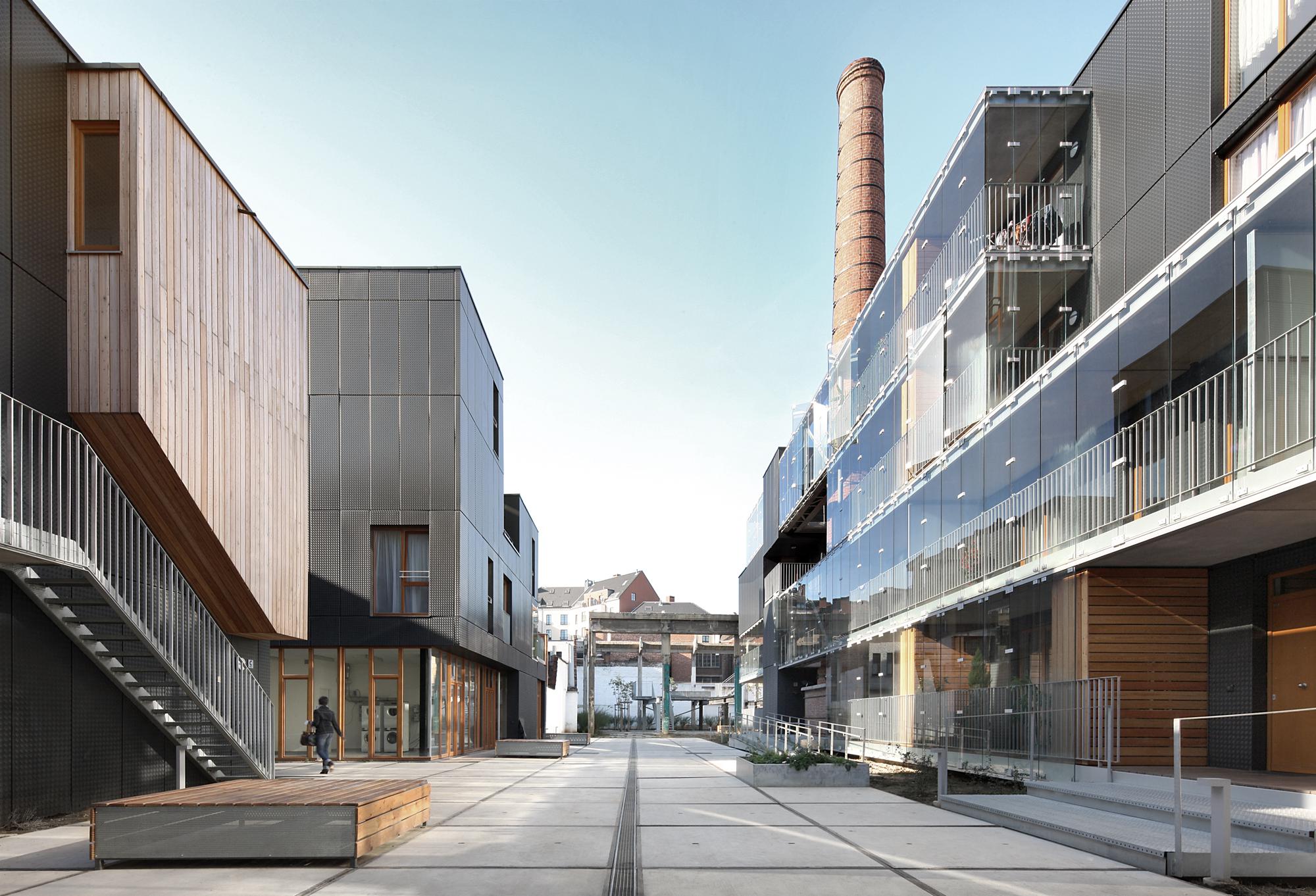
Savonnerie Heymans shows the public landlord at its most ambitious. On the 6,500-square-metre site of a former soap factory near the Grand-Place, the municipal company Le Logement Bruxellois built 42 low-energy and passive social dwellings around a mini-forest courtyard, retaining the historic chimney and buildings. It is widely cited as proof that dense social housing can meet a high environmental standard — though as a one-off flagship by a single commune, it also shows how project-by-project the city's social-housing output remains.
Brutopia and Usquare carry the self-build and adaptive-reuse strands. Brutopia is a co-housing scheme of 29 apartments in Forest, designed with its future residents around rainwater recovery and solar power, with shells the households finished themselves — affordable by self-organisation rather than subsidy, and therefore demanding of the time and skill not every household has. Usquare turns a former Ixelles barracks into a mixed cultural and residential quarter, a large public site reclaimed for the city — the kind of slow institutional conversion that takes a decade and survives several changes of government.
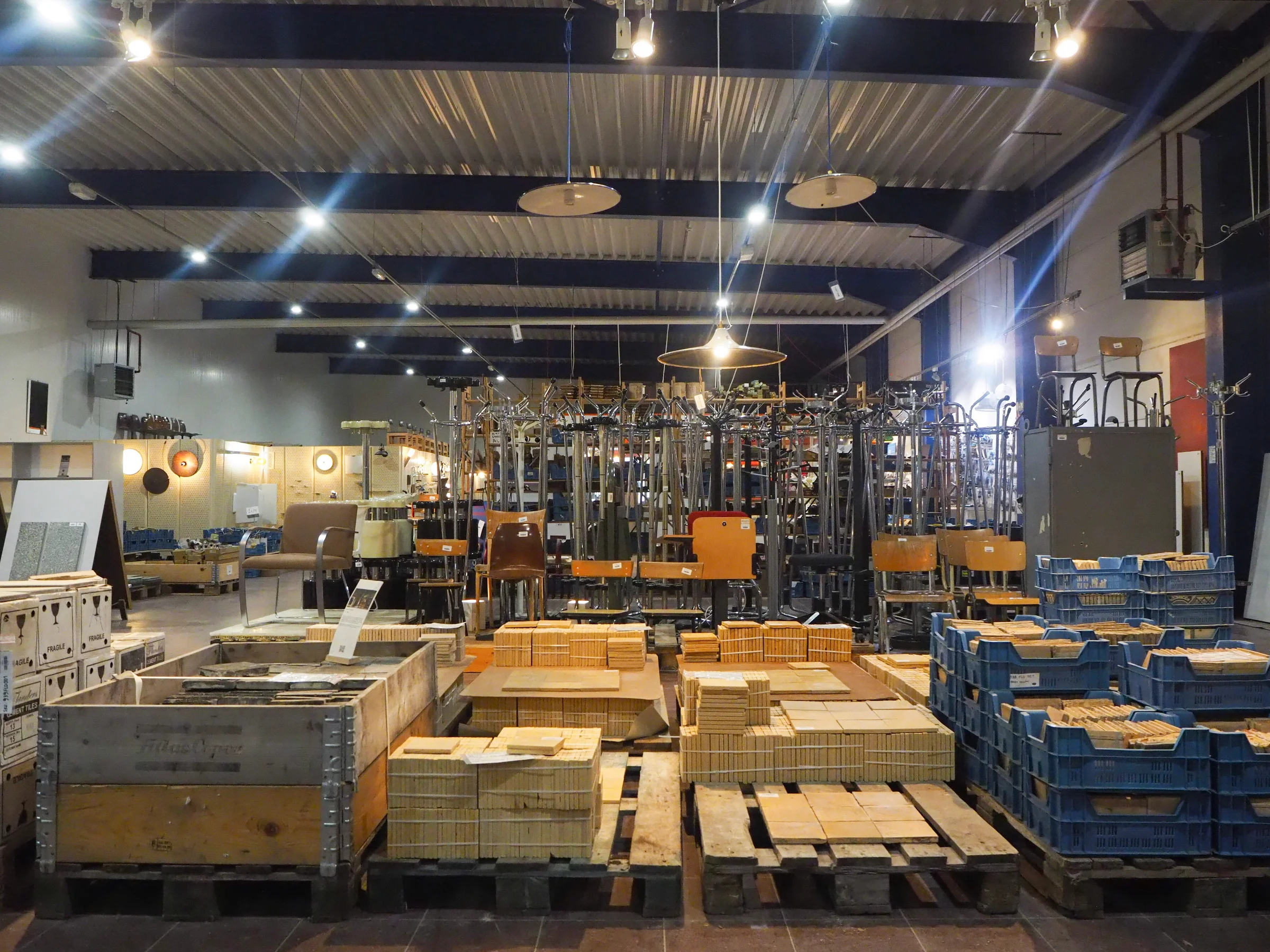
Supporting these buildings is a small but distinctive cast of institutions. Rotor DC, a worker cooperative, dismantles and resells building components, turning the city's demolition waste into a supply chain for reuse and tying the housing question to the circular economy. The architecture practice stekke + fraas designs community-oriented housing in this idiom, and Habitat et Participation supports the residents' groups that commission it. Above them all, Brussels is the seat of Housing Europe and Social Economy Europe, the continental federations for affordable housing and the social economy — a reminder that the city which hosts the European debate on housing is also trying, building by building, to answer it at home.
References
Statistics19Click on any number to see the source
Housing market
Tenure & affordability
Cooperative, social & public
Adaptive reuse & vacancy
Population & migration
From our library21
- Housing policies in the European Union — Knowledge
- Cera — Organisation
- Community Land Trust Brussels (CLTB) — Organisation
- From pilots to scale: Collaborative housing and the push for long-term affordability — Knowledge
- Habitat et Participation — Organisation
- Fairground Brussels — Organisation
- Roter Deconstruction (Rotor DC) — Organisation
- Funding the Cooperative City: Community Finance and the Economy of Civic Spaces — Knowledge
- Community Land Trusts in Europe: State of the Sector Report — Knowledge
- Urban Community Land Trust in Europe — Knowledge
- Office to housing conversion: estimating life cycle environmental and financial performance — Knowledge
- Rethinking European Offices 2030 - Risks and Opportunities from Obsolesence — Knowledge
- Tools to Deal with Vacant Housing — Knowledge
- L'Ecluse — Project
- Calico — Project
- Savonnerie Heymans — Project
- Brutopia — Project
- Usquare — Project
- stekke + fraas — Organisation
- Housing Europe — Organisation
- Social Economy Europe — Organisation
Further sources10
- Government of the Brussels-Capital Region — be.brussels
- Brussels Region forms new government after deadlock — European Express
- Karine Lalieux on the Foyer anderlechtois affair — La Libre Belgique
- Brussels relaunches housing support — operators refunded — 21news.be
- Community Land Trust Brussels — the model — be.brussels
- Community Land Trust Bruxelles — official site — CLTB
- CLT: un menu, plusieurs recettes — Geert De Pauw — Alter Échos
- How Brussels turns vacant offices into housing — The Irish Times
- Savonnerie Heymans — MDW Architecture — ArchDaily
- Calico — care and living in community — CLTB