AI-Generated Summary
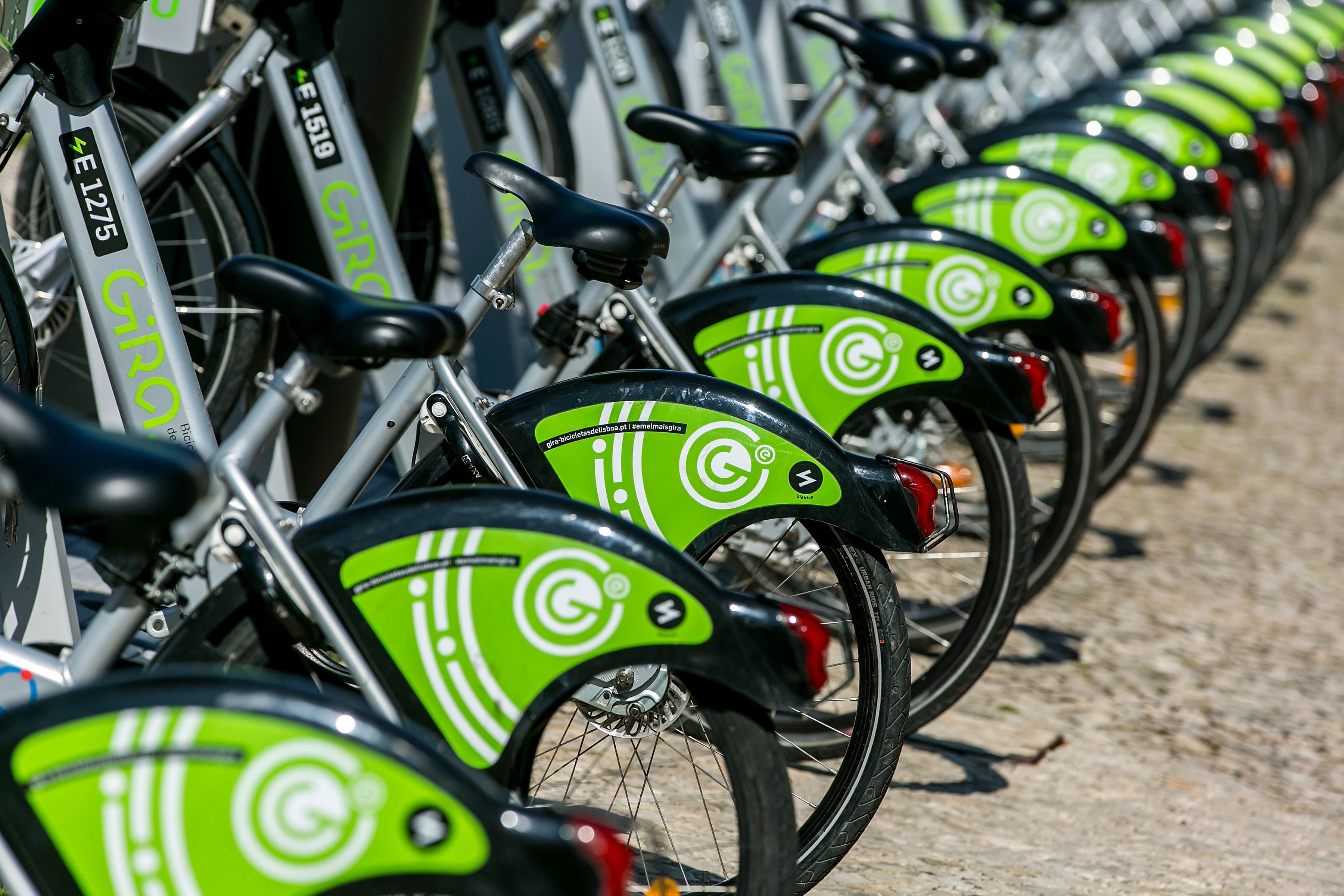
GIRA is Lisbon's public bike-sharing system, featuring a fleet of 1,600 bicycles — including 500 electric bikes specifically designed to handle the city's notoriously steep hills — distributed across 160 docking stations throughout the metropolitan area. The system employs AI-powered demand prediction algorithms that analyse historical usage patterns, weather conditions, event schedules and time-of-day trends to optimise bike redistribution, ensuring that stations in high-demand areas remain well stocked throughout the day. GIRA integrates seamlessly with Lisbon's broader mobility ecosystem through the city's multimodal transport application, allowing commuters to plan journeys that combine cycling with metro, bus, tram and ferry connections using a single interface. The system is compatible with the Navegante transport card, Lisbon's unified public transport pass, simplifying payment and reducing friction for regular users. Solar-powered docking stations minimise the system's environmental footprint while reducing infrastructure maintenance costs. Real-time availability data, accessible through the GIRA app, enables users to locate available bikes and free docking spaces instantly. Beyond providing a convenient and affordable transport option, GIRA generates valuable urban mobility data that city planners use to understand travel patterns, identify infrastructure gaps and design safer cycling routes. The system has contributed to a measurable shift in commuter behaviour, reducing car usage on key corridors and supporting Lisbon's broader sustainable mobility and climate action objectives. By addressing the unique topographical challenges of Lisbon through electric assist technology and intelligent operations, GIRA demonstrates how smart bike-sharing can thrive even in cities with demanding terrain.