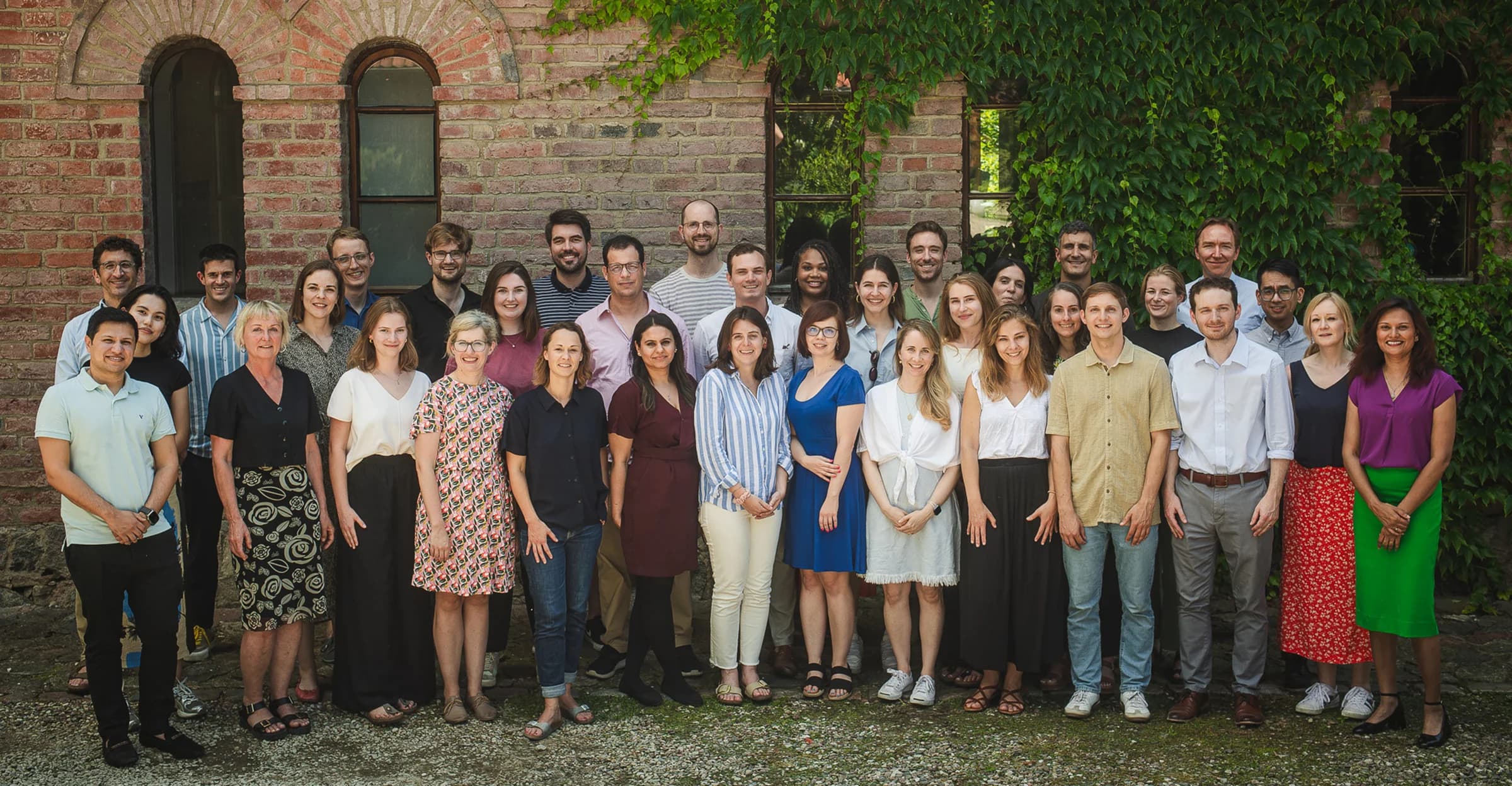
More in Common emerged in 2016 following the murder of British MP Jo Cox, drawing its name from her parliamentary speech asserting that people have more in common than what divides them. Headquartered at 320 City Road in London's Angel district, the UK branch operates as part of a global network with teams in France, Germany, and the United States. The organization functions as a research outfit, strategy consultancy, and project incubator, analyzing public attitudes through its British Seven model, which segments the population into seven groups based on values rather than demographics, derived from surveys of over 10,000 people.
Its activities center on countering polarization via opinion polling, campaign advice for clients targeting regions beyond London, and testing local initiatives on issues like migration, climate, and refugees. Recent reports examine social cohesion challenges, such as public views on justice reform, gender identity, assisted dying, and post-election government performance, often in partnership with groups like UCL Policy Lab and Citizens UK. One ongoing project maps public sentiment on neighborhood trust amid rising division.
Affiliated efforts include the More in Common Network, backed by National Lottery funding until 2026, comprising four partnerships in Cardiff, Nottingham, Staffordshire, and Manchester, plus 17 community groups across England and Wales. In 2025 training, 98 percent of participants reported stronger peer connections, 95 percent gained cohesion knowledge, and 95 percent felt equipped for local challenges like extremism. The network promotes cross-community events to foster mutual respect and belonging. (237 words)