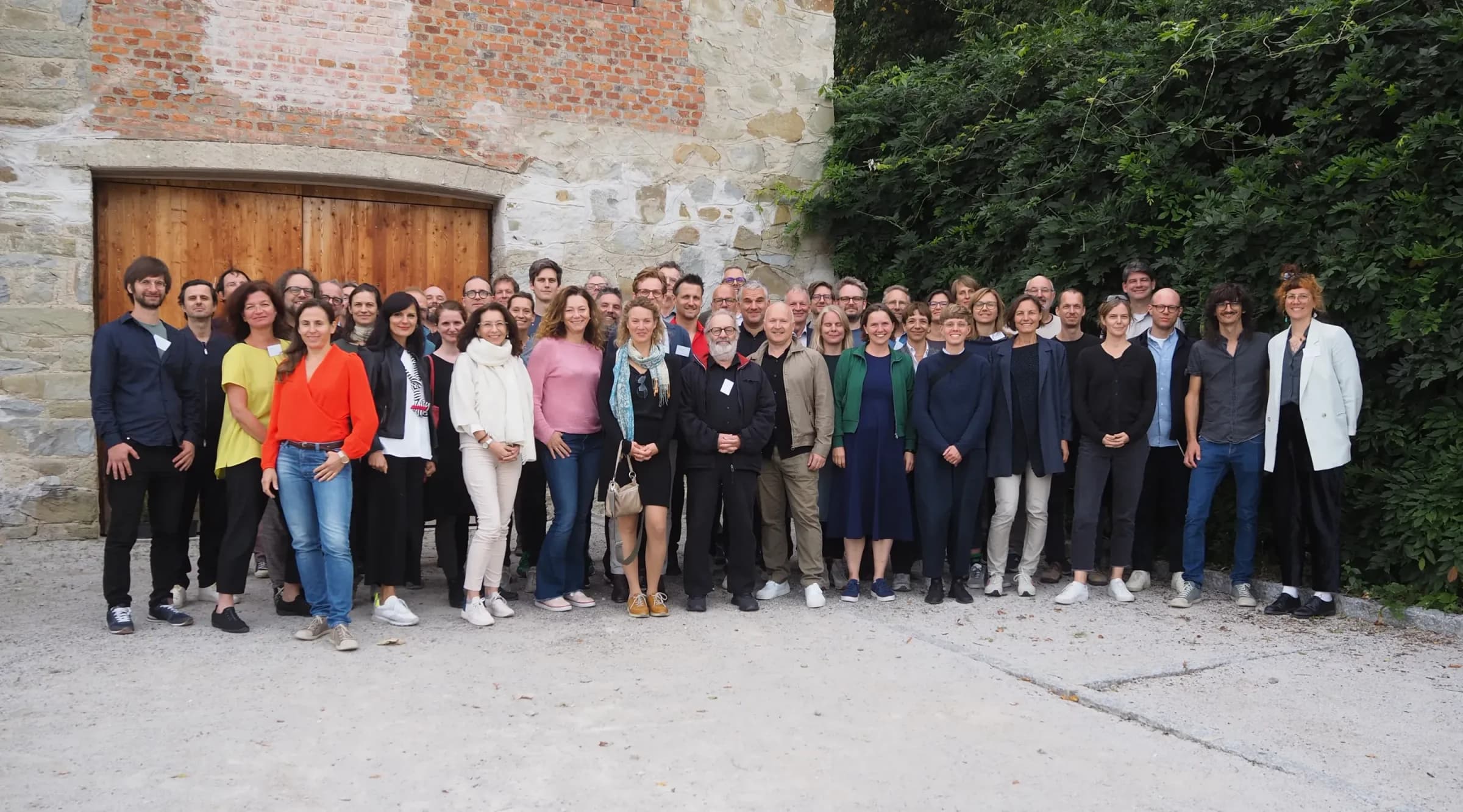
Habitat 2030 operates as a Vienna-based initiative uniting professionals from architecture, building associations, research, media, construction firms and activism. Launched around 2020, it focuses on urban habitat challenges in Austria's capital, drawing from the city's broader 2030 sustainability strategies amid efforts to achieve climate neutrality by 2040. The group convenes stakeholders to address housing density, ecological retrofits and community spaces in a metropolis of 1.9 million residents, where urban planning grapples with aging infrastructure and green transitions.
Key activities center on pilot discussions for neighborhood renewal, echoing Vienna's flagship projects like WieNeu+, which upgrades six residential blocks with low-resource living solutions through 2030, or the Zukunftsanker business hub in the 10th district promoting circular economy practices since 2023. Habitat 2030 contributes by facilitating cross-sector dialogues on these lines, such as integrating waste heat pumps at sewage plants—already feeding district heating networks—or expanding photovoltaic capacity to 800 megawatts peak by 2030 via public and private rooftops.
Recent examples include workshops on hydrogen valleys in eastern Austria and vacancy activation for cultural uses, coordinated with entities like Wien Energie and the city's technical renewal department. With durations spanning to 2031 for some linked efforts, the initiative remains active as a temporary platform, emphasizing practical exchanges over policy-making. Its scope stays local, probing Vienna's shift from fossil fuels through building retrofits and shared mobility, without direct involvement in national agendas like Austria's 2030 Mobility Master Plan. Participants note persistent tensions between densification and livability in peri-urban zones.