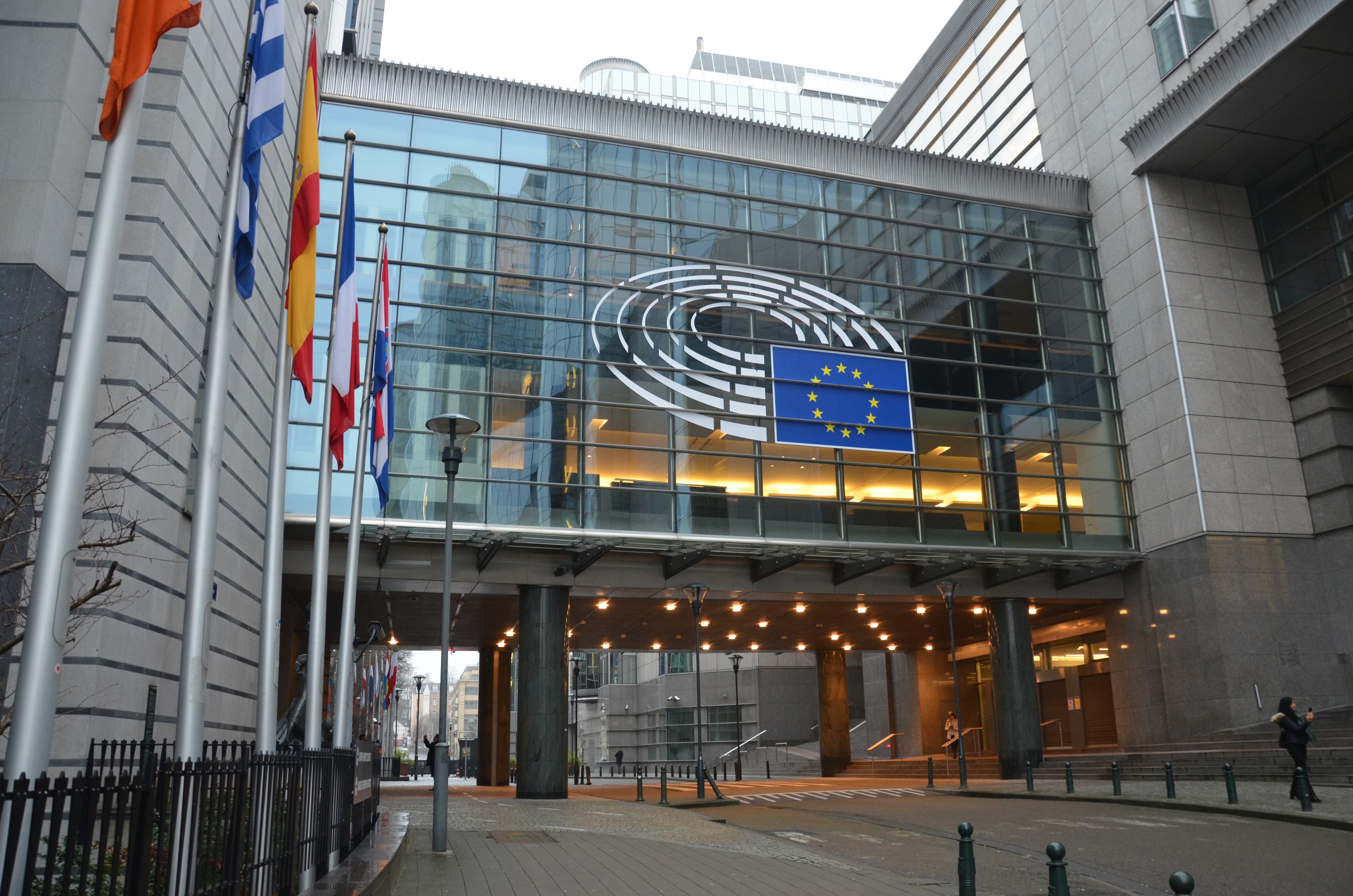
The European Parliament traces its origins to 1952 as the Common Assembly of the European Coal and Steel Community, a consultative body of 78 members appointed from national parliaments. Renamed the European Parliamentary Assembly in 1958 after the Treaty of Rome created the European Economic Community and Euratom, it held its first session in Strasbourg with 142 members. The name changed to European Parliament in 1962, and direct elections began in 1979, marking a shift from appointed to elected representatives.
Today, it comprises over 700 members elected every five years, with seats allocated by population—Germany, France, and Italy each hold more than 70, while smaller states like Malta have fewer than seven. Its activities split across locations: plenary sessions mainly in Strasbourg, committees and most work in Brussels near the European Quarter, and administrative functions in Luxembourg. This arrangement, formalized in 1992, remains debated.
As co-legislator with the Council, the Parliament shapes EU laws on budgets, trade, environment, and security. It gained budgetary powers in 1970 and legislative influence through treaties like the Single European Act of 1986. In 2026, members pushed for a €20 million boost to Horizon Europe research funding, €23.5 million for cross-border transport networks, and extras for border management, disaster response, and humanitarian aid amid geopolitical tensions. The 2026 Commission work programme lists 70 initiatives, 44 percent targeting competitiveness, including energy and taxation reforms, with plenary debates addressing drones in modern warfare and technological sovereignty. These efforts reflect ongoing negotiations over the EU's multiannual financial framework.