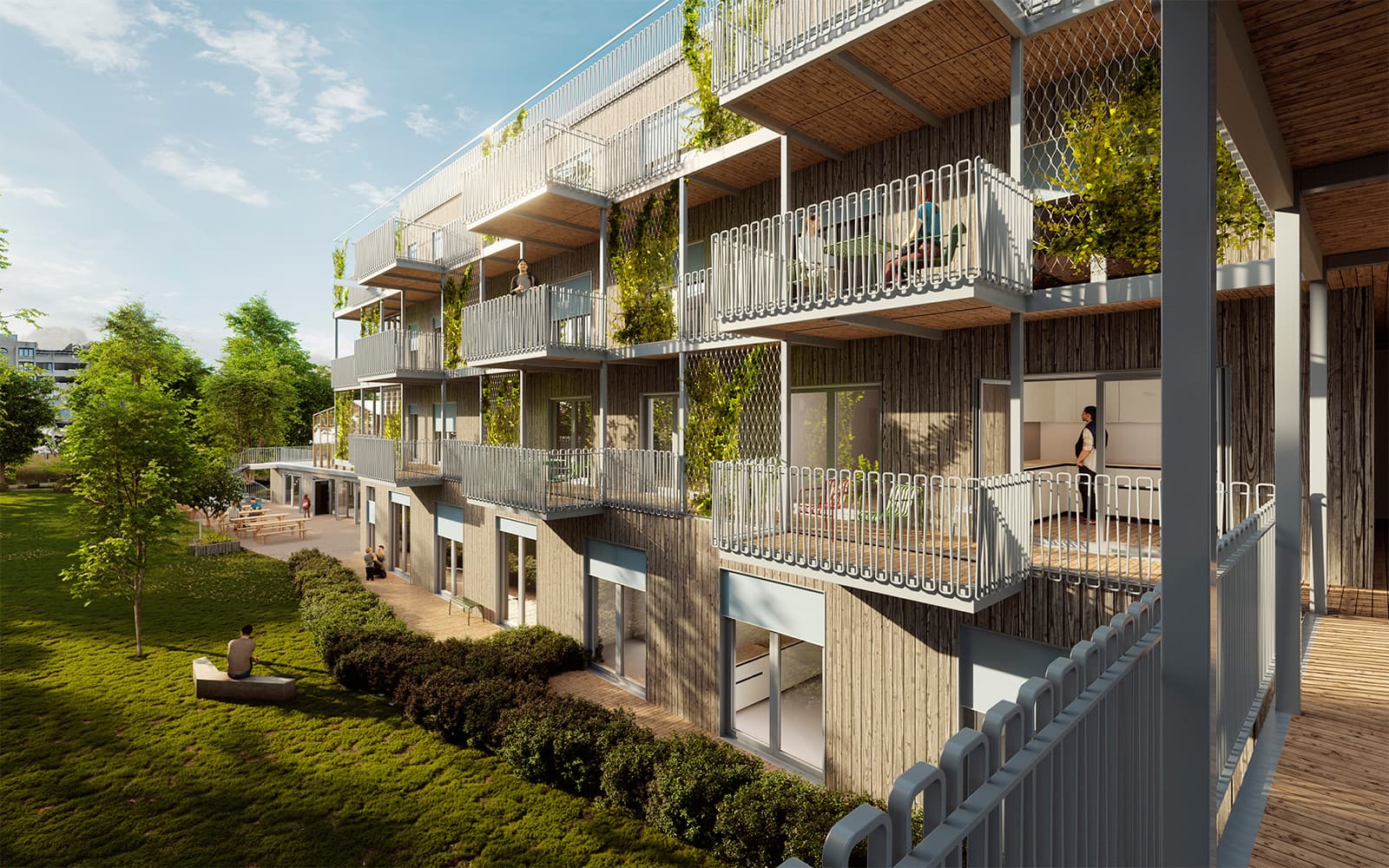
Bürgerstadt Aktiengesellschaft, founded in Berlin in 2000, seeks to empower citizens as developers of their own urban spaces by forming building groups that blend professional project management with collective ownership. Its shareholders aimed to foster responsibility for city growth through communal and individual homeownership, addressing social and planning challenges in dense metropolitan areas. The company operates nationwide from its Berlin base, with projects in Potsdam, Hamburg, Frankfurt am Main, and Leipzig, relying on a team of planners, architects, and engineers.
Over two decades, Bürgerstadt has structured full-service developments that merge the efficiency of developer models with the customization of building cooperatives. Groups adapt initial project designs to specific needs, from floor plans to fixtures, avoiding standardized solutions. Key examples include the ambitious Bürgerstadt Buch initiative near Berlin, proposed for around 100,000 residents on state-owned land well-served by rail and highways. This concept integrates nearby commercial zones and protected landscapes, positioning citizens—via cooperatives, small builders, and businesses—as partners in large-scale settlement solutions amid administrative hurdles.
More recently, in 2022, the firm tackled demographic shifts with the Pflegestadt Rötz model project, developing integrated care facilities responsive to aging populations. These efforts highlight Bürgerstadt's focus on practical urban housing tailored to 21st-century needs, navigating local politics and land constraints without prioritizing profit over place-specific demands.