
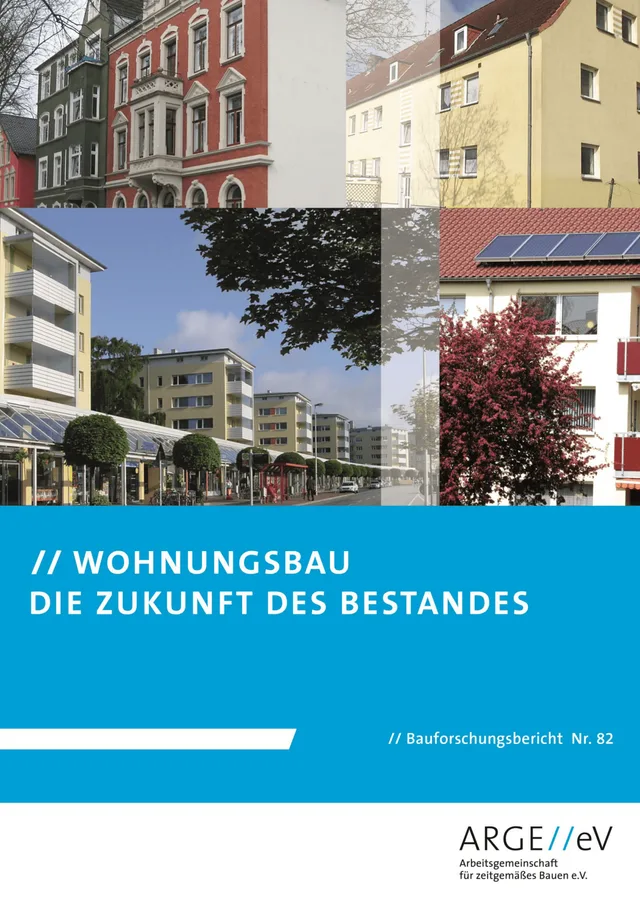
Overview of the Study
The report “Wohnungsbau: Die Zukunft des Bestandes” examines the current state of Germany’s residential building stock and evaluates its potential for modernisation and adaptation to future challenges. Produced by the Arbeitsgemeinschaft für zeitgemäßes Bauen e.V., a German association dedicated to contemporary construction practices, the study is authored by T. Gniechwitz, K. Paare and T. Schulze, researchers with expertise in building science and sustainable architecture.
Scope and Objectives
The investigation assesses the quantity, age distribution and structural condition of existing dwellings across Germany, identifying key drivers for renovation, energy efficiency upgrades and climate‑resilient adaptations. It aims to inform policy makers, planners and developers about the scale of interventions required to achieve sustainable housing objectives at a national level.
Key Findings on Building Stock
- Germany possesses approximately 42 million residential units, with a median construction year around 1970.
- Over 60 % of the stock is classified as “energy‑inefficient”, consuming more than double the recommended primary energy compared with contemporary standards.
- The average floor‑area per dwelling stands at 92 m², reflecting modest growth since the 1990s.
Modernisation Potential
The authors estimate that retrofitting the existing stock could reduce residential heating demand by up to 30 % and lower CO₂ emissions by roughly 25 million tonnes per year. Cost‑effective measures include façade insulation, window replacement, heat‑pump installation and smart‑control systems. The study highlights that a combined public‑private financing model could mobilise the required €150 billion investment over the next two decades.
Sustainability and Climate Resilience
Adaptation scenarios consider increased temperature extremes and flood risks. Findings suggest that integrating passive design principles, green roofs and resilient building envelopes can enhance both energy performance and durability. The report underscores the role of the European Green Deal in aligning national renovation strategies with broader climate targets.
Policy Recommendations
- Implement a nationwide “building‑renovation passport” to track energy performance and guide owners through upgrade pathways.
- Introduce targeted subsidies for low‑income households to ensure equitable access to modernisation benefits.
- Strengthen building‑code enforcement to phase out the construction of new low‑efficiency dwellings.
Implications for Pan‑European Audiences
While focused on Germany, the study’s methodology and conclusions are applicable to other European nations facing similar ageing housing portfolios. The quantified energy‑saving potential and financial frameworks provide a benchmark for cross‑border collaboration on sustainable housing policies.
Future Research Directions
The authors call for longitudinal monitoring of renovated buildings to validate predicted energy savings and to refine cost‑benefit analyses. They also recommend expanding the scope to include social‑housing sectors and integrating digital twins for more precise performance modelling.