AI-Generated Summary
Video Overview
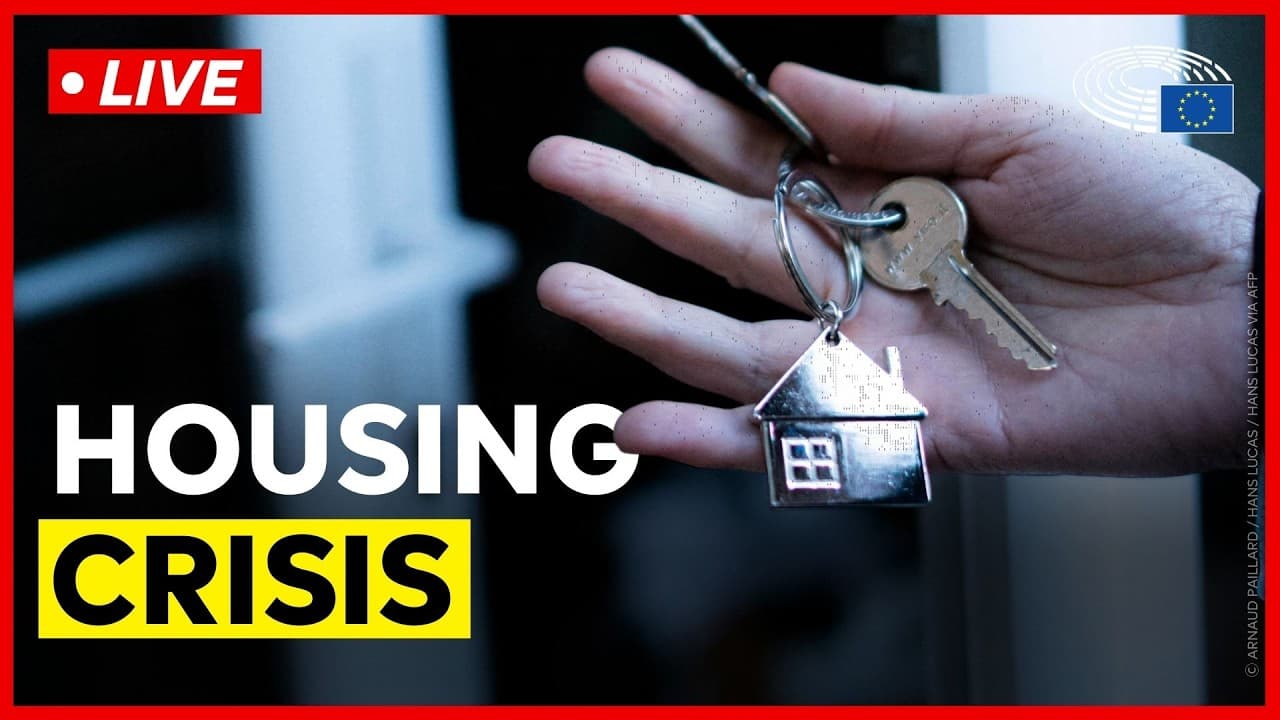
The European Parliament’s special committee on the housing crisis presents a comprehensive debate on sustainable, decent, and affordable housing across the EU. The session features a 124‑minute video that includes statements from commissioners, members of parliament, and experts, highlighting the urgency of the housing shortage and the need for coordinated European action.
Key Findings
- Housing prices have risen by 61 % and rents by nearly 30 % in recent years.
- One in ten households spends more than 40 % of income on housing costs.
- An estimated 10 million additional dwellings are required to meet demand, with current construction permits down 20 % over five years.
- Roughly 400 000 children are homeless, and over 70 % of young people in some countries cannot afford rent or purchase a home.
Proposed Pillars for Action
- Subsidiarity – Empower local and regional authorities to lead housing initiatives while the EU acts as a catalyst to remove barriers.
- Increase Supply – Streamline permitting (target 60‑day permits), reduce bureaucracy, and repurpose brownfield sites.
- Tax Reform – Lower VAT on construction, renovation, and rentals; adjust the VAT directive to support affordable housing.
- Investment Boost – Combine public funds with private capital, expand the role of the European Investment Bank, and create a European housing investment platform.
- Data Transparency – Establish reliable housing data to guide policy and monitor progress.
Financial Instruments
- EU and national funds, along with private investment, are earmarked to finance new construction and renovation.
- The European Investment Bank is urged to increase lending for affordable‑housing projects.
- Proposals include a “European package for simplification” to cut red‑tape and accelerate project timelines.
Sustainability Focus
- Energy‑efficient retrofits and low‑carbon building materials are emphasized to meet climate goals while keeping costs low.
- The report calls for harmonised digital tools and standards to reduce construction waste and improve building performance.
- Support for brownfield redevelopment aims to preserve greenfield sites and limit urban sprawl.
Social Impact & Rights
- Housing is framed as a fundamental human right, with calls to protect vulnerable groups such as young people, families, key workers, disabled citizens, and migrants.
- The debate stresses the need for social housing, rent caps, and measures against speculative buying and short‑term rentals that drive up prices.
- Proposals include safeguarding first‑time buyers, providing subsidies for low‑income families, and ensuring accessible housing for disabled people.
Legislative and Policy Recommendations
- Amend state‑aid rules to allow greater national support for affordable housing.
- Revise EU directives that unintentionally raise construction costs, including VAT and energy‑efficiency standards.
- Implement a European housing alliance to coordinate national strategies and share best practices.
- Introduce a European anti‑poverty strategy that integrates housing exclusion as a core component.
Regional Perspectives
- Member states report varied challenges: high construction costs in the north, limited land in the south, and migration‑driven pressure on housing stock in several countries.
- Specific national examples include Hungary’s 5 % GDP housing support, Ireland’s reliance on EIB funding for 300 000 homes by 2030, and Spain’s need for affordable urban renewal.
Outlook and Next Steps
The Parliament plans to adopt the report and push for legislative proposals that address red‑tape, financing, and market regulation. The overarching goal is to create a coordinated EU framework that stimulates construction, protects tenants, and ensures sustainable, affordable homes for all Europeans.