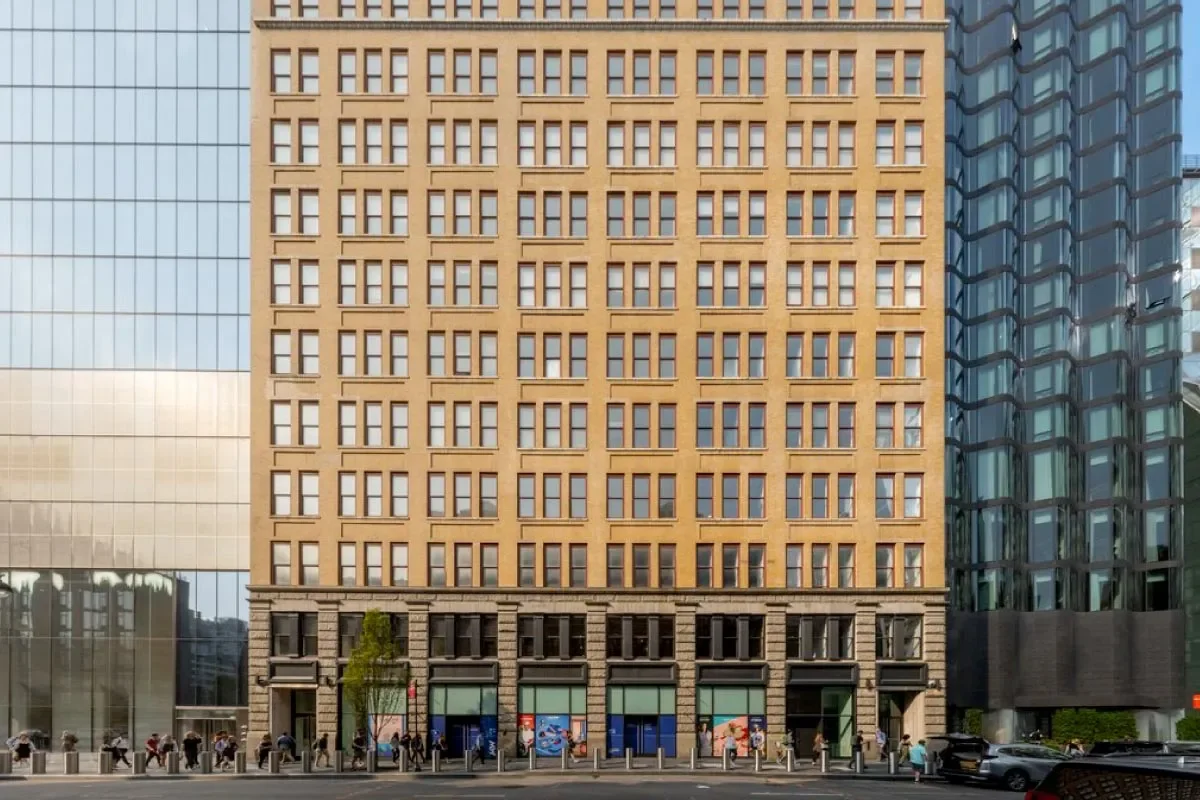
Overview of Adaptive Reuse Landscape
The article, published by Propmodo—a media outlet focused on the intersection of real‑estate and technology—examines how data‑driven analysis is reshaping office‑to‑housing conversions across Europe and the United States. Authored by Franco Faraudo, an MBA‑qualified entrepreneur with extensive experience as a real‑estate agent, manager and investor, the piece draws on insights from Adam Siegel, Vice‑President of Product Growth at Crexi, a commercial‑property platform. It highlights the growing relevance of converting surplus office space into sustainable residential units, particularly in land‑scarce cities.
Land Scarcity and Market Demand
Siegel stresses that cities with limited developable land and high housing prices—such as London, Paris, Berlin and the U.S. examples of New York and Los Angeles—offer the strongest business case for conversions. In these markets, the cost of new construction is prohibitive, making the reuse of existing structures financially attractive. Data indicate that suburban office vacancy rates in the United States are approaching 20 percent, underscoring a parallel opportunity for lower‑rise, suburban conversions where land is more abundant but demand for affordable housing remains high.
Data Tools Guiding Decision‑Making
Crexi is integrating “permittable‑use” layers onto its property maps, allowing developers to visualise which parcels meet zoning allowances for residential change‑over. The platform combines building footprints, zoning codes, school‑district performance and local incentive programmes to generate a viability score. This granular analysis can cut due‑diligence timelines by months and avoid millions of euros in mis‑allocated investment.
Zoning Flexibility and Incentives
Several European municipalities are revising zoning regulations to encourage adaptive reuse. Examples include density bonuses, reduced parking requirements and streamlined permitting processes. These policy levers directly improve the financial feasibility of conversions, particularly when paired with economic‑development incentives such as fee waivers or expedited approvals.
Suburban Opportunities and Sustainability
While high‑rise downtown projects dominate headlines, the article notes a quiet emergence of suburban, low‑rise office conversions. These buildings are often newer, easier to reconfigure, and already situated within mixed‑use zones, reducing the need for extensive structural alterations. Converting such assets supports sustainable urban expansion by repurposing existing built‑environment rather than consuming additional land.
Investor Strategies and Hold Periods
Private investors and family offices are increasingly allocating capital to office‑to‑housing projects. Many adopt a long‑term hold strategy, prioritising stable cash flow and capital appreciation over rapid turnover. Data‑driven site selection helps these investors align projects with local market dynamics and regulatory environments, enhancing portfolio resilience.
Key Findings for a Pan‑European Audience
- Land‑scarcity and high housing prices are primary catalysts for conversions in major European cities.
- Data platforms like Crexi provide actionable insights by overlaying zoning, school quality and incentive data.
- Municipal policy reforms, including density bonuses and parking reductions, materially improve project economics.
- Suburban conversions present a sustainable alternative, leveraging existing infrastructure while meeting housing demand.
- Long‑term investment approaches benefit from data‑backed risk mitigation and alignment with urban‑development goals.
Outlook for Sustainable Housing
The article concludes that while spreadsheets alone cannot resolve the complexities of adaptive reuse, the convergence of sophisticated data analytics, supportive zoning reforms and investor appetite positions office‑to‑housing conversions as a viable pathway toward sustainable, pan‑European housing solutions.