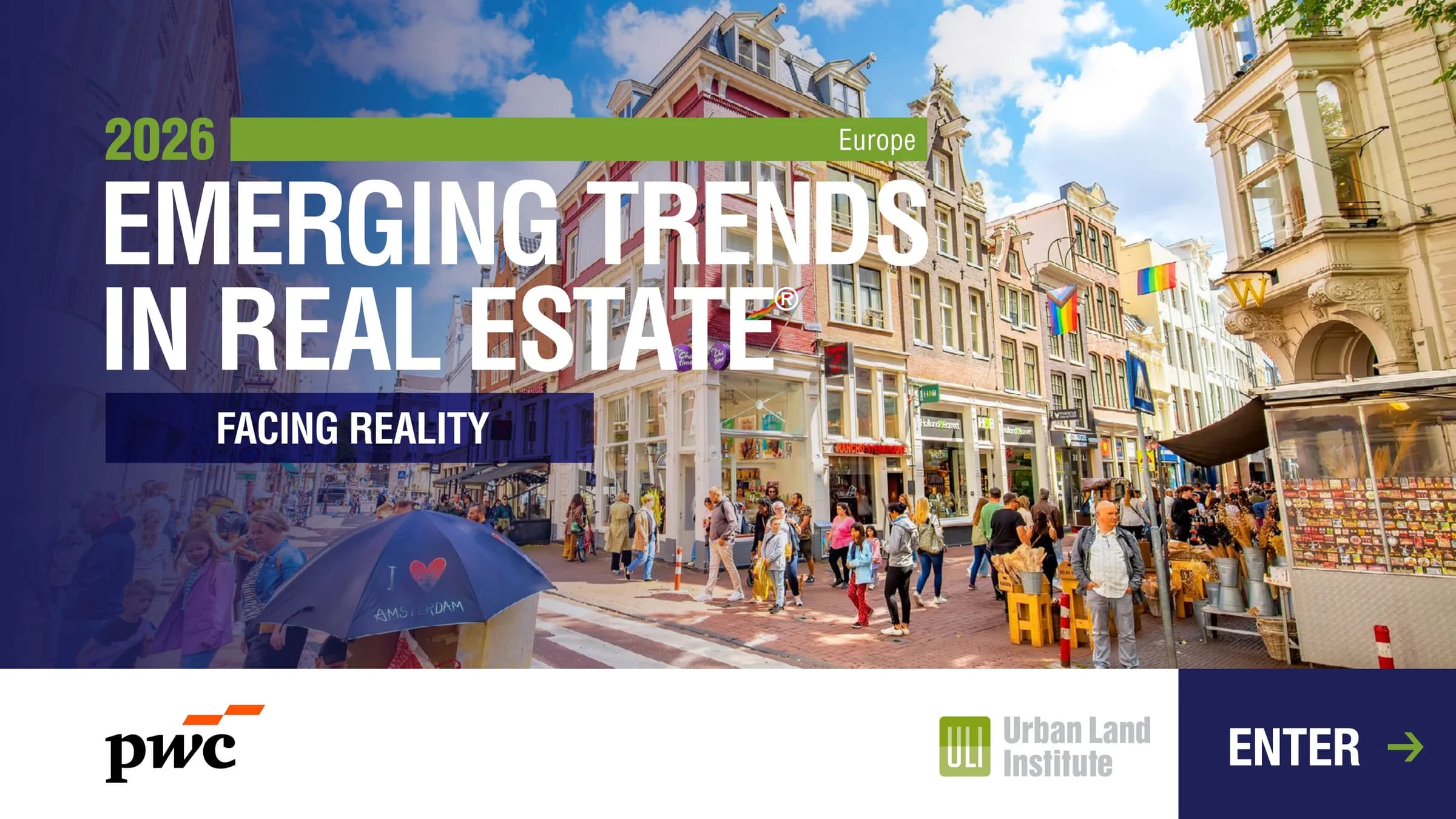
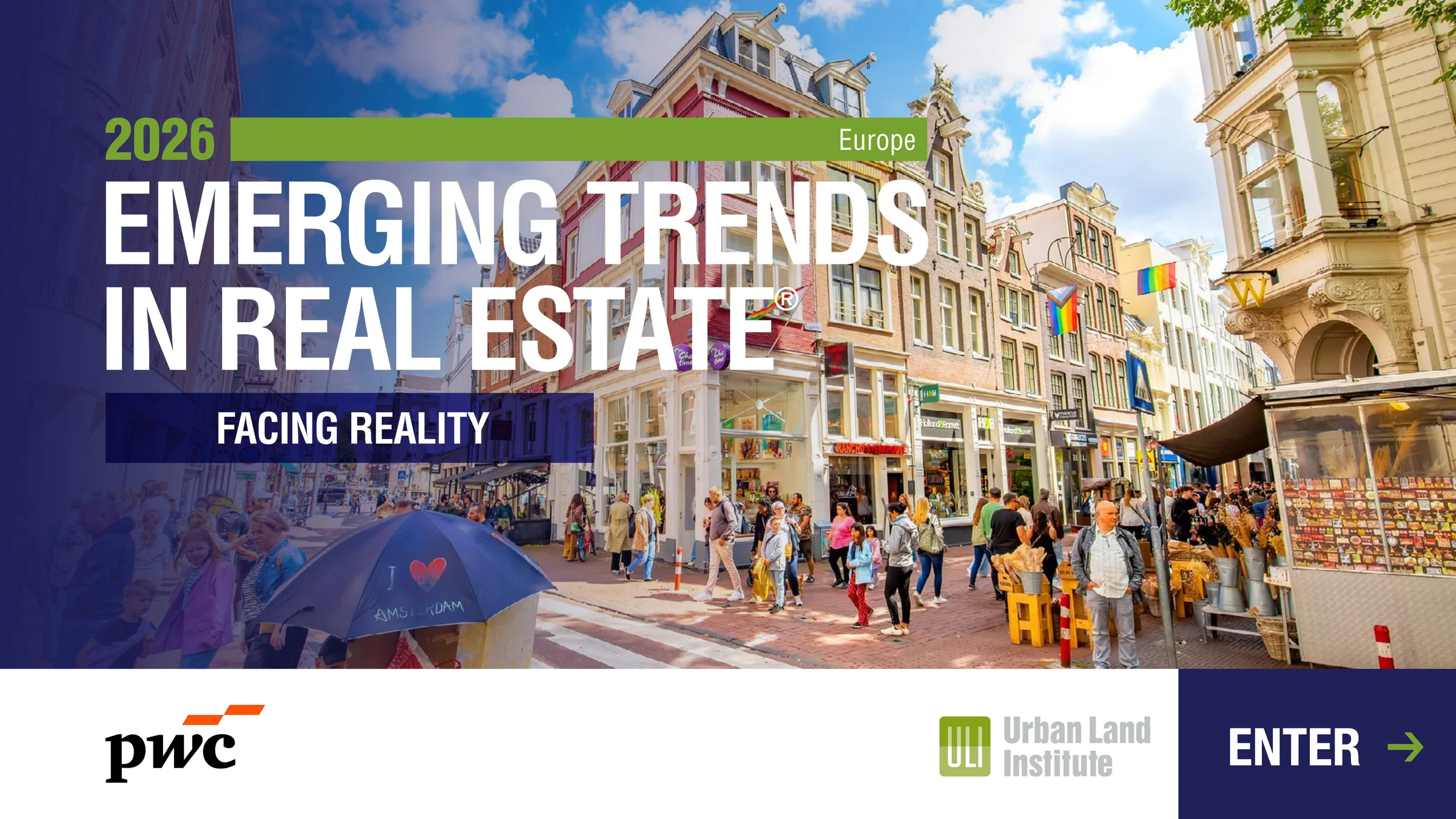
Overview of the Emerging Trends Report
The Emerging Trends in Real Estate: Europe 2026 report is published by PwC (Global Professional Services Firm). It gathers insights from 1,276 senior real‑estate professionals through surveys and interviews, covering market sentiment, financing conditions, sector outlooks, and sustainability considerations across Europe.
Sustainable Housing Focus
The study highlights that affordable and sustainable housing remains a top priority for investors and policymakers. 55 % of respondents consider environmental sustainability a key concern, while 62 % see social sustainability as essential for long‑term value. Housing affordability is repeatedly cited as a major challenge, influencing investment decisions in both new builds and retrofits.
Key Survey Findings on Sustainability
- Economic/financial issues (90 % concerned) and social/political issues (86 % concerned) dominate overall worries.
- Environmental sustainability and decarbonisation (55 % concerned) rank lower than in previous years but still drive capital allocation.
- Energy‑efficiency credentials are crucial for securing finance; 71 % of respondents say they are “very important.”
- Physical climate risk is flagged by 83 % of participants as a factor in asset valuation and insurance costs.
Cities Leading Sustainable Housing Initiatives
The report ranks London, Madrid, Paris, and Berlin as the four most attractive cities for real‑estate investment, largely because of market size, liquidity, and regulatory stability. Madrid is noted for rapid population growth and emerging opportunities in sustainable residential projects. Amsterdam and Copenhagen are praised for transparent planning processes and strong commitment to green building standards.
Sector Prospects for Green Housing
Sustainable housing scores among the highest‑ranked sectors:
- Affordable housing (4.15 / 5)
- Co‑living (4.15)
- Serviced apartments (4.24)
- Student housing (4.33) – a sector that supports energy‑efficient design and shared services. These sectors are identified as “operationally intensive,” meaning they benefit from active management to improve energy performance and tenant well‑being.
Financing and Investment Trends
- Debt and equity availability are expected to increase in 2026, with 75 % of respondents anticipating more capital for sustainable projects.
- Family offices, high‑net‑worth individuals, and private‑equity funds are emerging as significant equity sources, often demanding ESG‑aligned returns.
- Banks report stronger balance sheets, yet regulatory pressure remains high; 71 % of respondents note increased ESG reporting burdens.
Decarbonisation and ESG Implementation
- Energy‑efficiency measures are the primary ESG driver for financing.
- Physical climate risk assessments are now routine, with 83 % of firms using them to reject high‑risk assets.
- Nearly half of respondents have adjusted ESG strategies in response to macro‑economic uncertainty, focusing on measurable carbon‑reduction outcomes.
Market Outlook for Sustainable Housing
The report projects modest growth in sustainable residential construction, driven by:
- Policy incentives for energy‑efficient retrofits.
- Public‑private partnerships targeting affordable, low‑carbon housing.
- Increasing tenant demand for resilient, health‑focused dwellings. However, construction cost inflation and regulatory complexity continue to limit supply, especially in high‑cost markets such as London and Paris.
Recommendations for Pan‑European Stakeholders
- Prioritize projects in cities with strong liquidity and clear regulatory frameworks (e.g., Madrid, Amsterdam).
- Leverage family‑office capital for green‑housing funds that meet ESG benchmarks.
- Integrate climate‑risk modelling early to satisfy lender requirements.
- Focus on sectors with high operational intensity (affordable housing, co‑living, student housing) to maximise energy‑efficiency gains. The Emerging Trends 2026 report provides a data‑rich snapshot of Europe’s real‑estate landscape, emphasizing that sustainable housing is both a societal need and a growing investment opportunity across the continent.