Resource context: McKinsey & Company’s 2024 article “The new real estate investment edge: Tech-enabled brand, CX, and loyalty” (by Alex Wolkomir, Michael Hales, and Vaibhav Gujral) argues that large single-family residential (SFR) and multifamily residential (MFR) platforms can strengthen tenant loyalty and financial performance by treating housing as a branded customer experience supported by data and technology.
Why tenant experience is becoming an investment edge: The authors state that while hospitality has long focused on customer experience (CX), mainstream residential real estate can also create “memorable moments” that influence lease renewals and brand loyalty. They note that operators can improve the tenant experience while managing or even reducing costs, which matters in a context of high living costs. Based on McKinsey’s experience with residential players, the article reports a premium of up to 15% between the highest- and lowest-performing companies in a market when controlling for similar building characteristics (such as location, age, and amenities).
What high-performing residential operators do differently: The article describes common practices among leading firms, including technology investments that enable personalization (for example, communications that remember a tenant’s birthday or pet’s name), new operating and staffing models (such as centralized leasing and renewals teams serving multiple buildings), stronger brand advertising, and digital touchpoints that increase transparency (for example, an app that shows maintenance-request status). The authors link these capabilities to higher perceived tenant value, which they say flows into top-line revenue and net operating income (NOI).
Shifting expectations and three “paradigm shifts”: The authors describe changes in consumer interaction preferences after COVID-19, including a preference for proactive self-service over speaking with sales staff, and the importance of omnichannel engagement with personalized recognition. They outline three shifts for residential brands: (1) from commodity housing to segment-specific, values-based communities; (2) from one-size-fits-all interactions to individualized experiences across key moments like move-in, visitors, and maintenance; and (3) from delayed, manual service to AI-enabled responsiveness. They cite a poll reporting that 55% of Americans in 2023 placed high importance on community activities, up from 29% in 2001, and add that operators observe higher renewal likelihood when residents know others in their community.
An eight-step framework to build loyalty and brand equity: The article proposes eight steps: define the target resident segment (“who”); define what is meaningful to that community (“why”); identify the moments that matter along the tenant journey; customize the experience through both physical and digital design; enable differentiators with the right operating platform (people, processes, data, and technology); choose a brand architecture (brand house, endorsed model, or house of brands); “be bold” with creative brand building; and measure outcomes using data. The authors emphasize that tech is not sufficient on its own; value comes when organizations “rewire” ways of working and use technology to support new operating models.
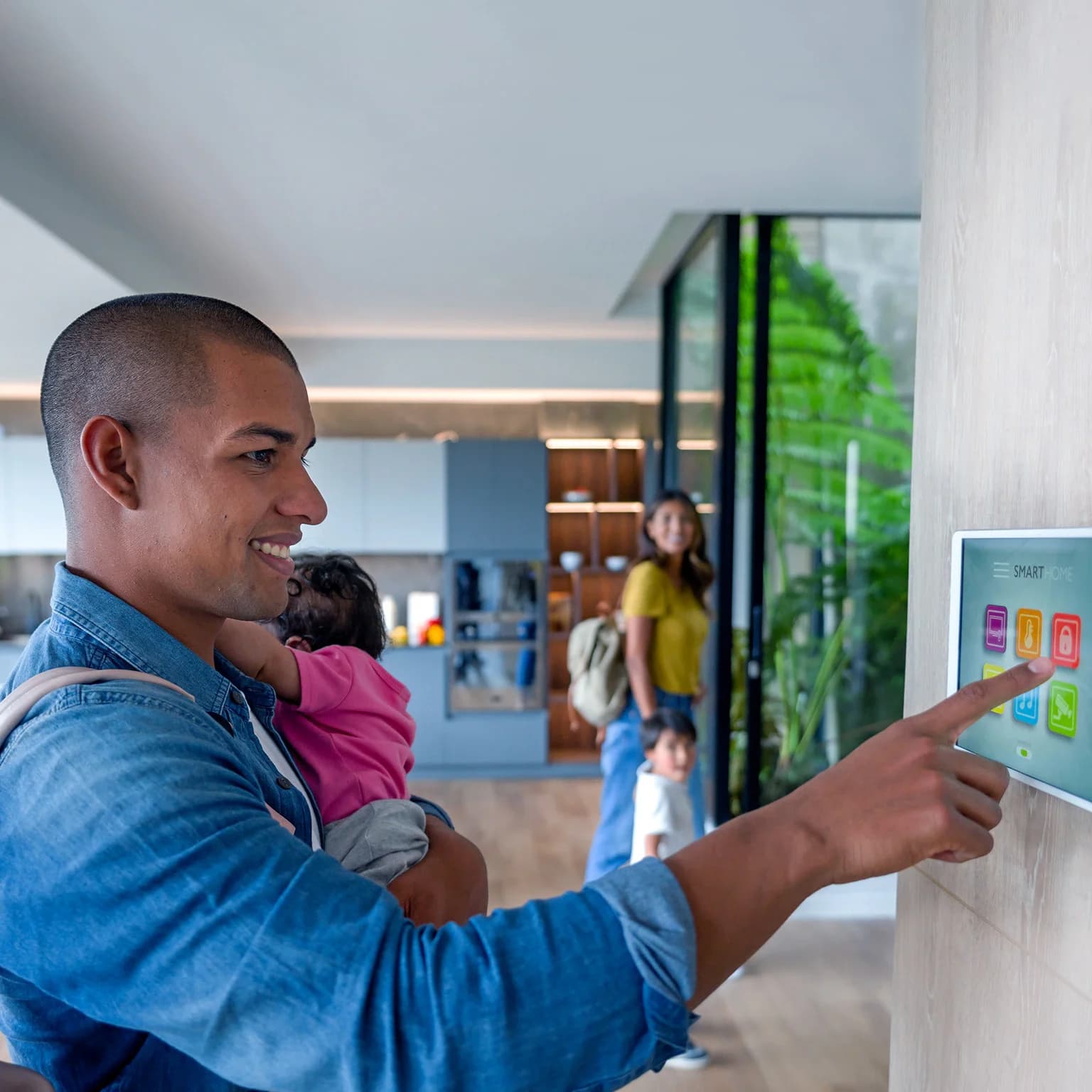
Technology examples linked to comfort, sustainability, and services: The article describes “smart product” thinking for housing, including smart thermostats connected to HVAC sensors that can support comfort while balancing sustainability, automated nudges to adjust energy use, and sensors that detect abnormal equipment behavior or leaks to trigger preventive maintenance. It also highlights digitally enabled community activation (for example, mobile apps for events and RSVPs) and self-serve portals for workflows like rent payments and maintenance submissions. The article reports having seen companies automate more than 70% of interactions using AI companions and related tools, and associates digital rewiring with observed NOI increases of 2% to 4%, plus additional value from ancillary services such as event space rentals, cleaning services, and grocery delivery.
Data points on willingness to pay for efficiency and smart features: To illustrate how specific segments may value sustainability and technology, the article cites renter research indicating willingness to pay 1.0% to 5.0% more (average 1.8%) for one higher level of energy efficiency, and that renters interested in smart devices report being willing to pay 2% to 3% more for a single smart device. The article frames these figures as part of a broader case for segment-specific communities, measurable CX initiatives, and data-driven experimentation to improve retention and financial outcomes.