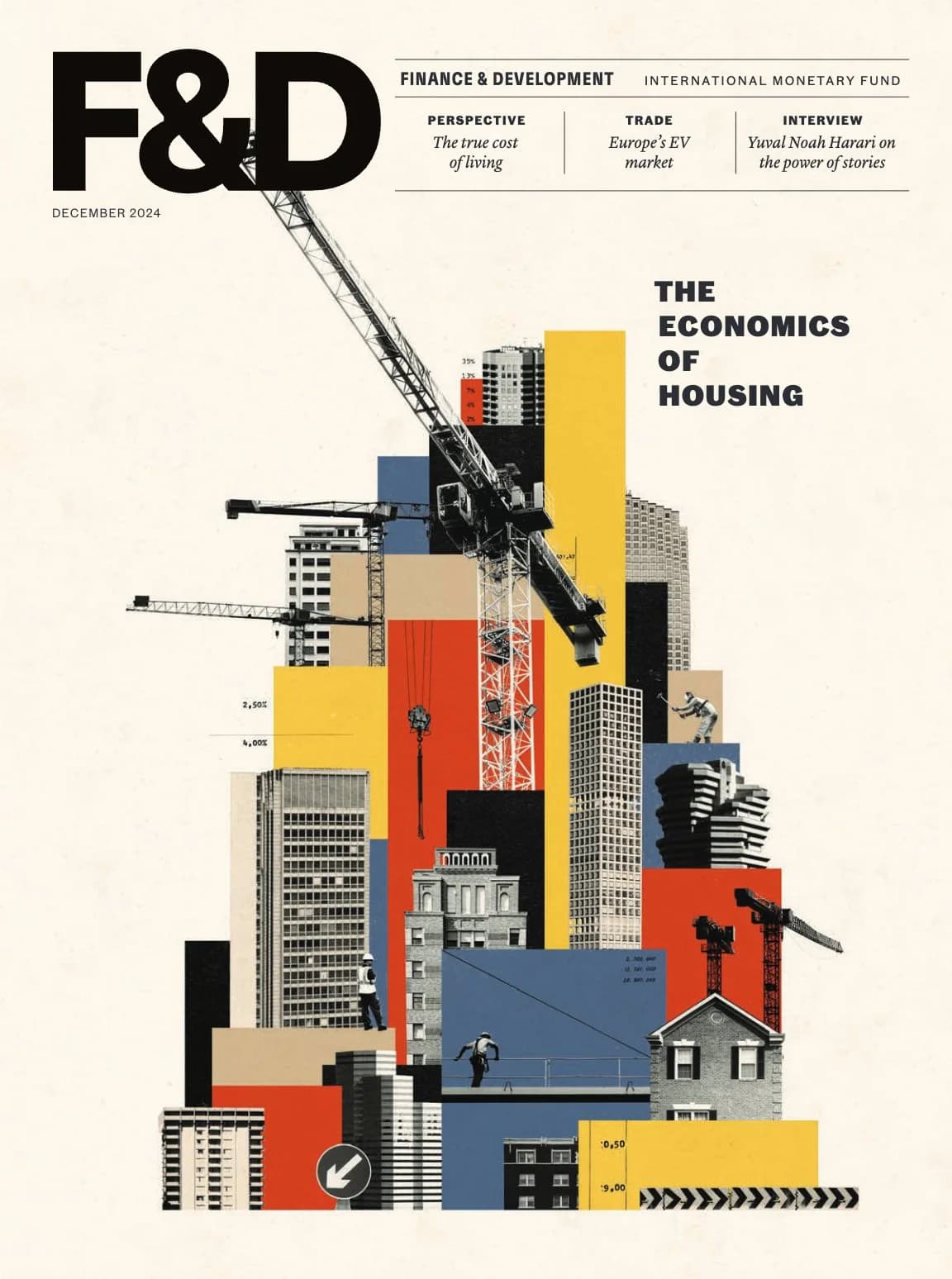
Overview of the Publication
The Economics of Housing is a comprehensive issue of Finance & Development, the International Monetary Fund’s quarterly magazine. Authored by a team of leading economists—including Gita Bhatt (Editor‑in‑Chief), Bert Kroese, Jiaxiong Yao, Robert Zymek, Victoria Fan, Sanjeev Gupta, Prakash Loungani, Deniz Igan and others—the piece collates research, interviews and case studies on global housing markets. The IMF, a United Nations‑affiliated institution, provides the backdrop for the analysis, ensuring the work reflects macro‑economic perspectives and policy relevance.
Key Housing Affordability Findings
Across OECD nations, real house prices have risen by 37 percent over the past decade, outpacing income growth and pushing price‑to‑income ratios up by 16 percent on average. The pandemic intensified this trend, creating the worst global housing‑affordability crisis in more than ten years. In the United States, prices have surged by over 50 percent since 2016. Survey data show that 60 percent of respondents aged 18‑39 express concern about securing adequate housing, compared with 38 percent of those aged 55‑64.
Drivers of the Crisis
The IMF identifies three main forces: (1) demand outstripping supply, amplified by population growth and household formation; (2) higher borrowing costs as central banks raise rates to combat inflation, raising mortgage payments and reducing household cash flow; and (3) regulatory barriers such as zoning laws and building‑code restrictions that limit new construction. The pandemic’s lockdowns also delayed building projects, further constraining supply.
Policy Recommendations for Sustainability
The report stresses that supply‑focused measures are essential. Suggested actions include easing zoning restrictions, streamlining permitting processes, incentivising developers to deliver affordable units, and targeting subsidies to low‑income households. It also highlights the potential of technology—digital land registries, blockchain‑based property records and data‑driven planning—to improve transparency and reduce transaction costs in informal housing markets, especially in African cities.
Regional Case Studies
- Europe – The EU faces a trade‑off between cheap Chinese electric vehicles that could lower transport costs and the risk of job losses in traditional car manufacturing. Modelling shows that tariffs on Chinese EVs would likely worsen overall welfare.
- China – Property prices have risen ten‑fold since the early 1990s, but still remain lower than comparable Western markets. A slowdown in price growth is anticipated as the government tightens credit.
- Brazil (São Paulo) – A shortage of 400,000 housing units is being addressed through public‑private partnerships, retrofitting downtown buildings and expanding low‑income programmes such as “Minha Casa, Minha Vida”.
- Africa – Informal housing dominates many cities; digital land‑title systems in Rwanda and Kenya are cited as pilots that could improve security of tenure and access to formal financing.
Economic Impact of Housing Markets
Housing wealth accounts for the largest share of household assets worldwide, influencing consumption, savings and financial stability. The IMF’s analysis shows that higher mortgage rates have a direct “cash‑flow” effect, reducing disposable income and dampening consumer spending. Fixed‑rate mortgages vary dramatically by country—from near zero in South Africa to over 95 percent in the United States—affecting the transmission of monetary policy. Countries with a larger share of fixed‑rate loans experience weaker short‑term policy impacts on consumption.
Global Coordination and Future Outlook
The IMF calls for coordinated international efforts to address housing affordability, including sharing best practices on regulatory reform, leveraging digital tools for land administration and aligning fiscal policies to support low‑income households. It warns that without decisive supply‑side interventions, housing markets will continue to exacerbate inequality and pose risks to macro‑economic stability. The report concludes that sustainable, affordable housing is pivotal for inclusive growth, social cohesion and the resilience of economies in the face of climate change and demographic shifts.