Resource context
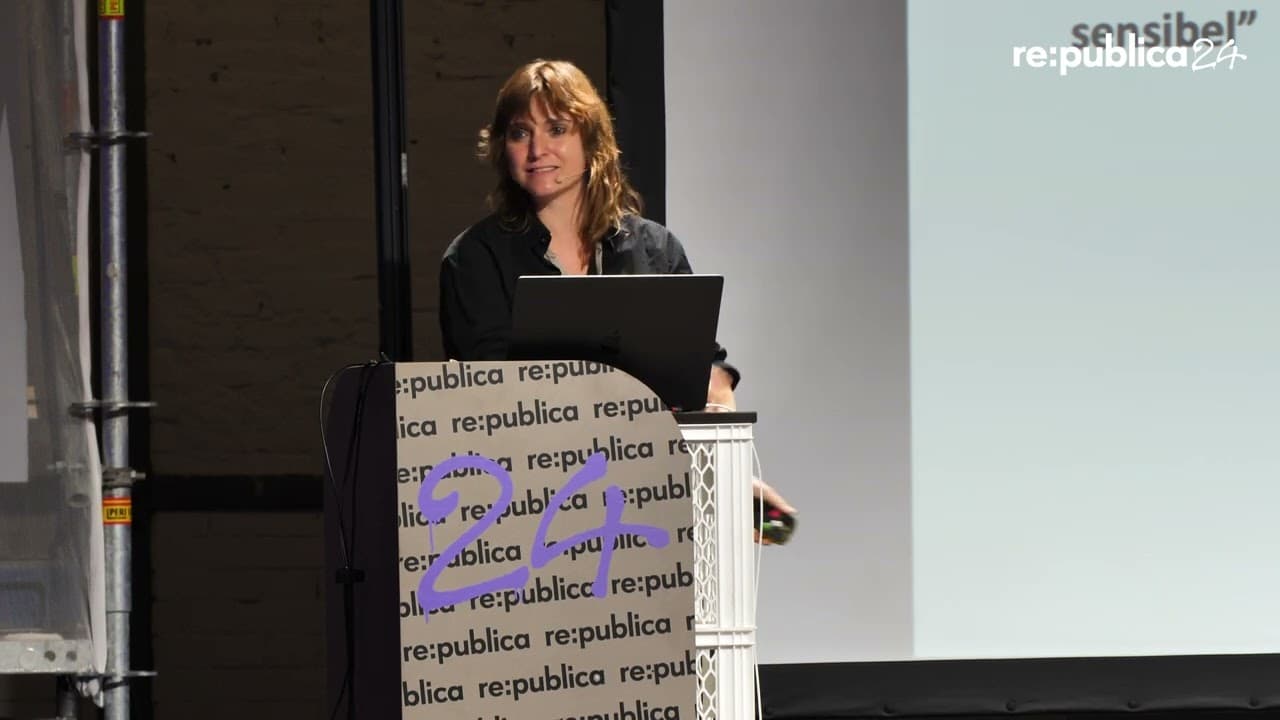
“Ground Control: Wem gehört der Boden in Europas Hauptstädten?” is a re:publica YouTube talk by journalists Hendrik Lehmann and Helena Wittlich (Tagesspiegel), presenting findings from the cross-border “Ground Control” investigation into land ownership and its role in Europe’s housing crisis, produced with a network of around 15 media outlets and using data visualisation and satellite imagery methods.
Why land ownership matters for housing
The speakers frame land and soil (“Boden”) as a central, often ignored driver of housing affordability: when land prices rise, both new construction and rents become more expensive. They describe the land market as highly speculative and “transaction-opportunity oriented”, influenced by interest rates, neighbourhood change, and infrastructure investment—factors that can raise land values without any improvements by the landowner.
Price dynamics and construction constraints
The talk links recent housing pressures to multiple reinforcing trends: strong increases in rent and purchase prices across European cities (with Berlin described as among the fastest risers, close behind Madrid), higher interest rates reducing construction activity, and rising construction costs. Interview-based insights suggest that, without public incentives or controls, developers increasingly prioritise asset types with stronger returns (such as offices, shopping centres, serviced apartments, and micro-apartments) rather than affordable family housing. Micro-apartments for students are highlighted as a key investment product, with cited peak rents reaching around €70 per square metre for furnished units.
Cross-European research and market actors
The presenters situate land and housing dynamics in an international context, noting the relatively recent rise of “globalised” housing companies buying and investing across borders (examples named include Vonovia, Akelius, and Heimstaden). They also reference research into the post-financial-crisis trade in distressed mortgages (particularly from countries such as Spain and Greece), describing it as an ongoing global market intended to stabilise finance but with lasting housing impacts.
Data transparency barriers across capitals
A recurring finding is the lack of comparable, reliable land-price and ownership data across Europe. Even where data exists, methods differ so strongly that city-to-city comparisons can be misleading; in many cases datasets are estimates, outdated, or not based on actual transaction prices. Ownership can also be obscured through special-purpose companies, complex development structures, swaps, and other mechanisms. Examples of access barriers include high fees for datasets (Prague), legal action to obtain information (Brussels), and political dynamics shaping disclosure (Budapest). In Germany, they emphasise that ownership is often only verifiable via land registry checks that require “legitimate interest”.
Berlin case: public land sales and buybacks
Berlin is used to illustrate how past public land sales constrain today’s options. The talk states that Berlin stopped selling state-owned land (final decision around 2019) and earlier stopped selling to the highest bidder (from 2013), yet large areas had already been sold. A key figure cited is over 23 million square metres of sold land. They argue that the city later faced higher costs when buying land back, describing cases in other cities (e.g., Gothenburg) where units were repurchased at multiples of the original price. For Berlin, they cite that “Bodenrichtwerte” (standard land values) show land prices increasing sevenfold over 14 years, with strong increases inside the ring and in areas affected by infrastructure upgrades.
Methods and next steps
Because official archives and complete datasets are described as missing or inaccessible (including claims that historic building-plan archives are not available in a usable digital form), the project is pursuing alternative approaches such as satellite-image analysis and machine learning to detect where construction occurred over time, enabling further investigation into who benefits from land transactions and how urban development decisions shape housing outcomes across Europe.