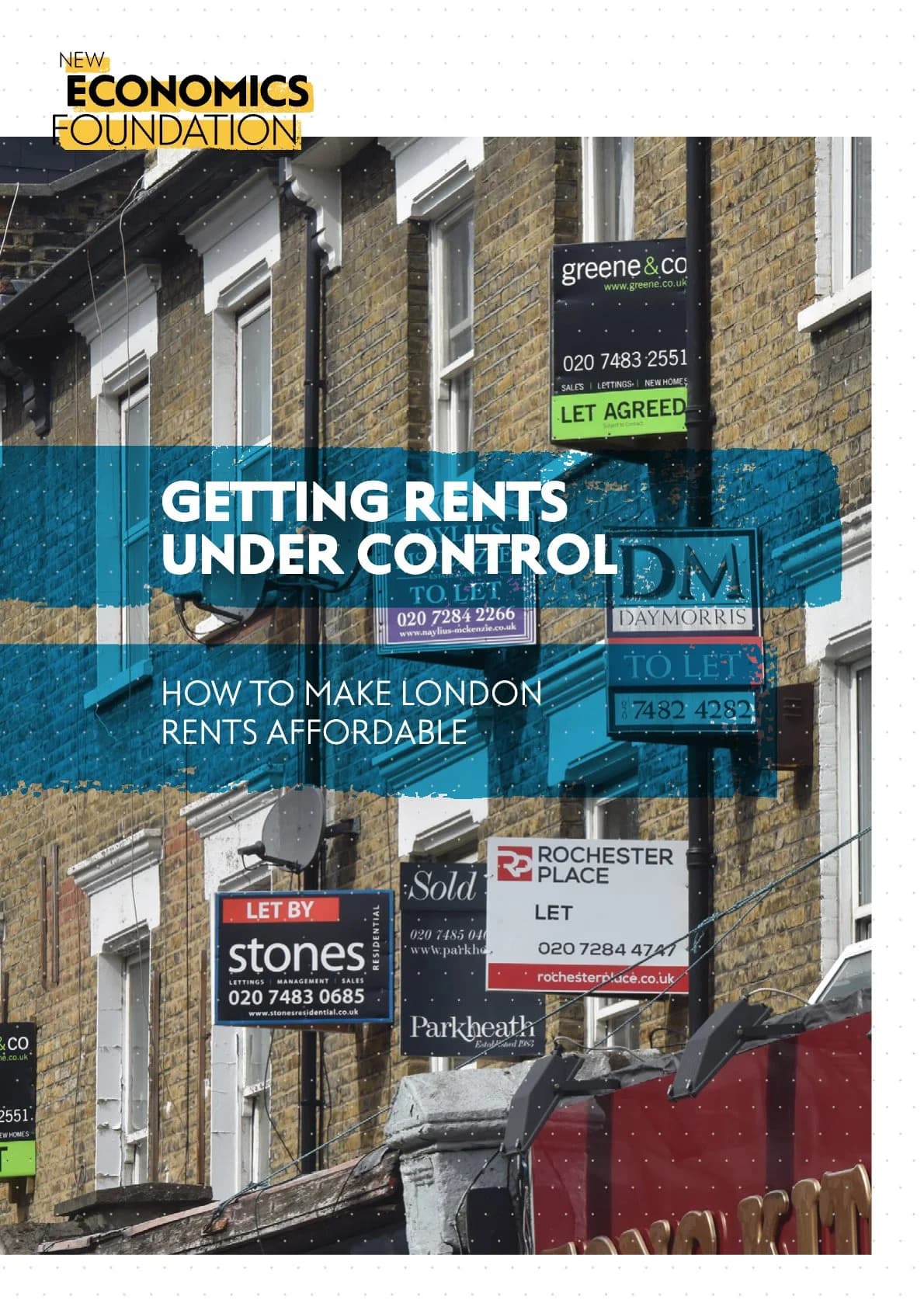

Overview of the Report
The New Economics Foundation (NEF), a UK‑based charitable think‑tank, authored this analysis on rent control in London. The authors – Hanna Wheatley, Sarah Arnold and Joe Beswick – draw on extensive research and policy review to propose a framework for making private renting more affordable and sustainable.
London’s Private Renting Crisis
London’s private rented sector (PRS) now houses more households than social housing and is projected to match owner‑occupation rates by 2025. Since 2010, private rents have risen over three times faster than earnings, with around 25 % of renters spending more than half of their income on rent. In 2015/16, a quarter of private‑renting households were in poverty, and 43 % of in‑work poverty sufferers were renters. High rents also strain public finances: 230 000 private tenants receive housing benefit, costing the public sector significantly more than in other regions.
Need for Rent Control
Survey data show 68 % of Londoners support rent controls, including the Mayor. International examples (Berlin, New York, Sweden, Denmark) illustrate both benefits and risks of rent regulation. The report argues that without controls, affordability will worsen, exacerbating poverty, limiting social mobility, and increasing public spending on benefits.
Six Building Blocks Proposed
- Landlord and Rents Database – an open‑access, online register of landlords, properties and rents to provide transparent data.
- Property‑Linked Rent Control – controls tied to the dwelling rather than individual tenancies, reducing incentives for evictions.
- Desired Rent Level (DRL) – a target rent for each property, to be reached gradually through reductions (e.g., 1 % per year) or wage‑growth benchmarks.
- Private Rent Index – an ongoing cap on annual rent changes, weighted toward local wage growth and inflation.
- Independent Administrative Body – a statutory agency, overseen by the Mayor, responsible for database maintenance, DRL setting, index calculation and enforcement.
- Enforcement Mechanisms – mandatory landlord rent declarations and a dispute‑resolution system to ensure compliance without placing the reporting burden on tenants.
Key Data Supporting the Model
- Median two‑bedroom rent in London equals the average three‑bedroom rent in every other English region.
- 76 % of median income is required for a two‑bedroom flat in Tower Hamlets for the bottom‑quartile earners.
- 46 % of private tenants receiving housing benefit are working, highlighting the hidden cost to the economy.
- International rent‑control schemes have shown mixed outcomes; for example, Berlin’s “rent brake” limited new‑lease rents to 10 % above local averages but rents still rose 10 % in two years, prompting a five‑year freeze.
Relevance for Pan‑European Sustainable Housing
The report’s emphasis on data‑driven regulation, property‑linked controls and gradual implementation aligns with EU housing sustainability goals. By curbing rent inflation, the model aims to improve housing affordability, reduce reliance on welfare payments, and encourage long‑term tenancy stability—key factors for sustainable urban development across Europe.
Implementation Pathway
The authors recommend a phased rollout: first establishing the landlord‑rent database, then piloting DRL and the Private Rent Index in high‑pressure boroughs, followed by scaling up under the independent body. Continuous monitoring, stakeholder engagement (tenants, landlords, NGOs) and mitigation measures (e.g., exemptions for new builds) are highlighted to balance affordability with investment incentives.
Expected Outcomes
If adopted, the framework could lower average rents by up to 20 % over four years, reduce the proportion of income spent on rent to below the 30 % affordability threshold, and decrease housing‑benefit expenditures. By linking rent growth to wage trends, the policy seeks to create a more equitable and resilient private rental market, contributing to broader European objectives of social equity and sustainable urban living.