Resource context (EU Debates / YouTube)
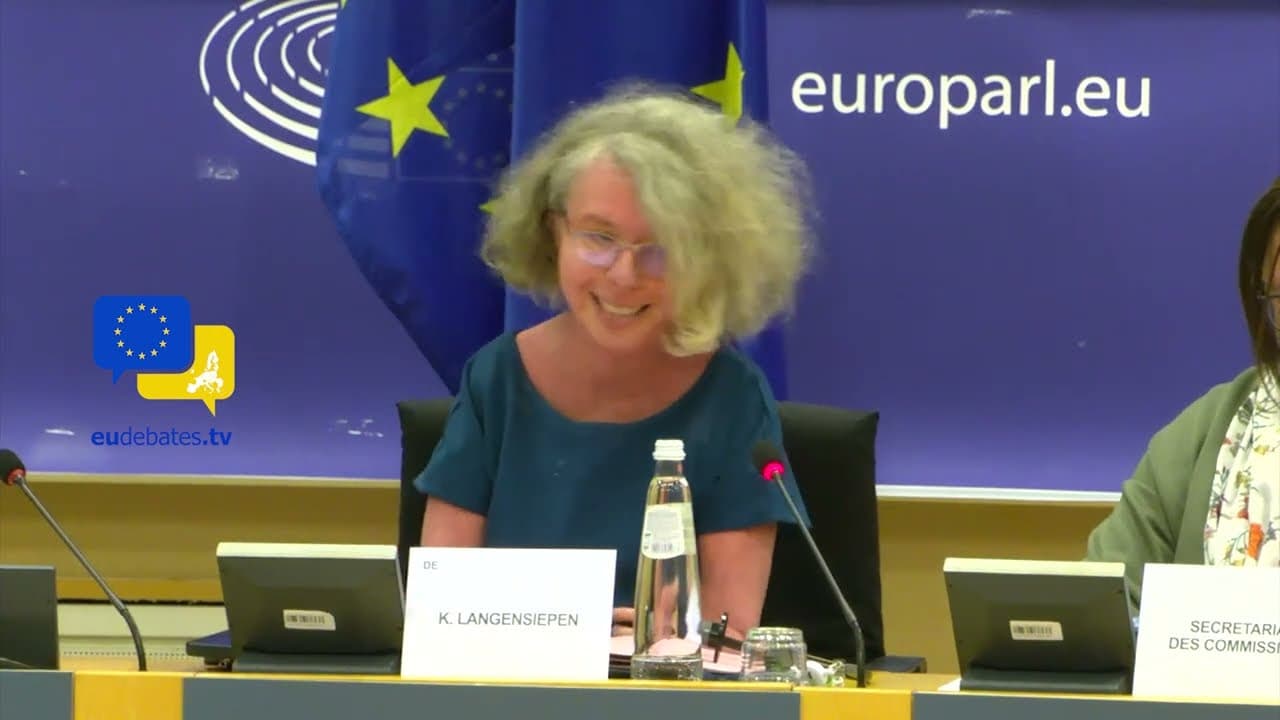
This resource is a YouTube video published by EU Debates (eudebates.tv) titled “Europe’s Housing Crisis: Families Struggling as Costs Soar and Crisis is Spiraling Out of Control!”. The speakers in the public hearing format include representatives from the European Parliament committees and invited experts; named contributors in the transcript include MEPs and officials such as a committee vice-president and regional representatives, plus expert contributions from Croatia’s Ministry of Regional Development and the Basque Government’s housing portfolio, alongside European Commission and European Investment Bank (EIB) officials. The video frames housing affordability and adequacy as a pan-European challenge with social, economic and environmental dimensions.
Scale of price and rent pressures in the EU
The discussion cites EU-wide housing price growth of around 48% over the past decade, with sharp national variations (Hungary is cited with increases up to 173%). Rents are also described as rising substantially, with housing costs pushing some households above common affordability thresholds. The hearing references that, in 2023, 10.6% of urban households and 7% of rural households spent more than 40% of disposable income on housing, and notes that cost overburden is higher among people at risk of poverty and low-income households. These pressures are presented as contributing to delayed household formation and young adults staying longer with parents.
Who is most affected and how deprivation is described
Several interventions emphasize that affordability and adequacy problems are not limited to major cities and can affect rural areas differently (for example, depopulation and limited services, or tourist pressure on housing supply). The hearing cites research figures such as 80 million people in the EU being overburdened by housing costs and around 4% experiencing severe housing deprivation. Housing deprivation is described as linked to poverty and social exclusion, and connected to unemployment. Energy poverty is highlighted as a compounding factor, with references to around 50 million people affected and many living in poorly insulated homes.
Policy responses discussed: cohesion funding, social housing, and rights framing
EU cohesion policy instruments are presented as a key lever for boosting affordable and social housing supply, alongside measures to improve housing quality and sustainability. The debate references substantial EU-level funding streams (including cohesion policy and recovery funding) and argues for targeted approaches that reflect distinct housing markets in metropolitan areas versus smaller towns and villages. Several speakers stress that housing supported with public funds should remain in public or protected use to avoid loss of affordability. The “Housing First” approach is referenced as an effective way to address homelessness by prioritizing stable housing before tackling other needs.
Sustainability and renovation as affordability measures
A major theme is that affordability depends on both housing costs and energy costs. The hearing links high utility bills to energy-inefficient housing stock, arguing that renovating worst-performing buildings can reduce bills, improve comfort, and support climate goals. Renovations are discussed alongside safeguards to prevent displacement and rent spikes after upgrades. Energy efficiency investments (including insulation and renewable energy measures) are described as crucial to reduce reliance on external energy purchasing and to improve resilience to future price increases and extreme weather.
Implementation needs: local tailoring, capacity, and finance partnerships
Speakers repeatedly argue that housing markets are local, so solutions must be tailored, based on detailed mapping of needs, vacant stock, land availability, and infrastructure. Examples include Croatia’s national housing planning through 2030 and efforts to activate unused housing units, as well as Basque Country approaches involving protective housing, public–private financing, and regulatory changes. The EIB describes an ambition to scale financing for affordable housing (including across the value chain from construction to renovation) and to blend EU grants, loans, and technical assistance. The European Commission signals an “European affordable housing plan” under development, with consultation and coordination across policies such as transport, services, and planning reforms.