Overview of the Resource
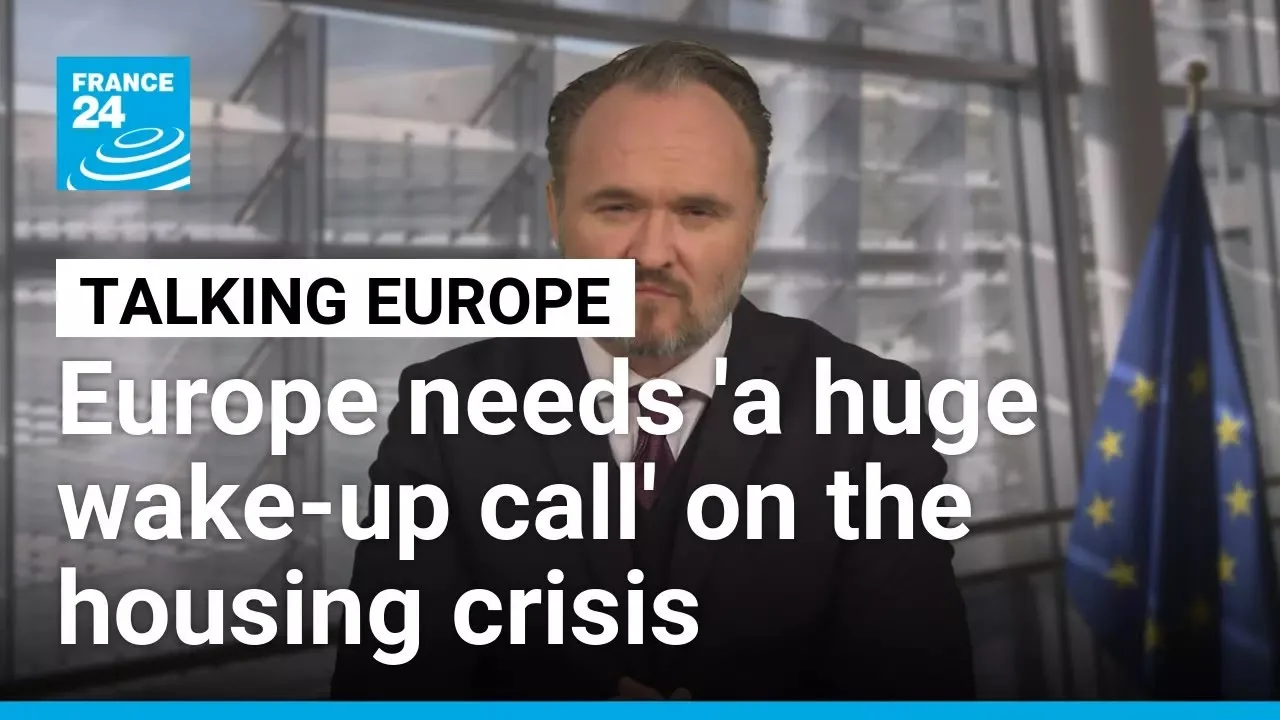
The video is a France 24 English interview titled “Europe needs ‘a huge wake‑up call’ on the housing crisis, EU commissioner says.” It features Dan Jorgensen, the EU’s first Commissioner for Energy and Housing, discussing the escalating housing shortage, affordability challenges, and related energy policies across the European Union. France 24, a reputable international news broadcaster, provides the platform, and the transcript offers a complete, automatically generated record of the discussion.
Scale of the Housing Crisis
Commissioner Jorgensen highlighted that house prices have risen by 60 % on average since 2015. One in ten Europeans now struggle to pay rent or mortgage on time, according to European Commission data cited in the interview. The commission estimates roughly 1.3 million people are homeless in the EU, with numbers still climbing in several member states.
State‑Aid Reform Proposals
A key policy suggestion is to loosen EU state‑aid rules, enabling national governments to invest more directly in affordable housing. The commissioner argues that current regulations sometimes block member states from addressing market failures, especially in providing homes for essential workers such as nurses, teachers, and police officers.
Tackling Short‑Term Rentals
Short‑term rental platforms are identified as a factor pushing long‑term residents out of city housing markets. The commission is considering measures such as caps on the number of nights a property can be rented short‑term, differentiated rules for professional versus private owners, and possible freezes on non‑residential purchases, exemplified by proposals from Spain.
Social Cohesion and Political Stability
Jorgensen warned that widespread housing insecurity could erode democratic confidence and spark protests. He emphasized that ensuring a roof over every citizen’s head is a fundamental obligation for both national authorities and the EU, reinforcing social cohesion across the bloc.
Energy Independence Linkage
The housing discussion is intertwined with energy policy. The EU aims to cease imports of Russian liquefied natural gas by 2027. According to the commissioner, EU gas consumption has already fallen from 45 % of 2023 levels to between 10 % and 13 % today, demonstrating progress toward energy self‑sufficiency while reducing reliance on geopolitically risky supplies.
Examples of Best Practices
Finland’s “housing first” approach, which prioritizes stable accommodation for homeless individuals, is presented as a successful model the EU wishes to replicate. The commissioner cited this as evidence that coordinated policy can effectively reduce homelessness.
Decision‑Making Process
EU legislation on housing and energy will be adopted through qualified‑majority voting, meaning that even dissenting member states, such as Hungary and Slovakia, will be bound by the final rules. The commissioner stressed that once a decision is made at the EU level, it becomes law across all member states.
Resources and Further Reading
The video description includes links to the full interview, France 24’s news portal, and social media channels for additional coverage. Viewers are encouraged to follow France 24 on platforms such as Facebook, X, Instagram, TikTok, and Telegram for ongoing updates on housing, energy, and related European policies.