Overview of the Resource
This article, published by Demos Helsinki—a research and policy institute focused on social innovation—examines Europe’s housing crisis through the lens of sustainability. It is co‑authored by Erkki Perälä and Liisa Perjo, senior researchers at Demos Helsinki who specialize in urban policy and climate‑linked housing research. The piece draws on recent European Commission actions, mayoral initiatives, and Demos Helsinki’s own work on housing within planetary boundaries.
Current Housing Trends in Europe
Between 2010 and 2022, EU house prices rose by 47 % and rents by 18 %. The surge is even more pronounced in Estonia, where prices increased 192 % and rents 210 % over the same period. These sharp price gains have heightened affordability pressures across European cities, prompting political attention such as the creation of a dedicated EU housing commissioner and a Special Committee on the Housing Crisis.
Environmental Impact of New Construction
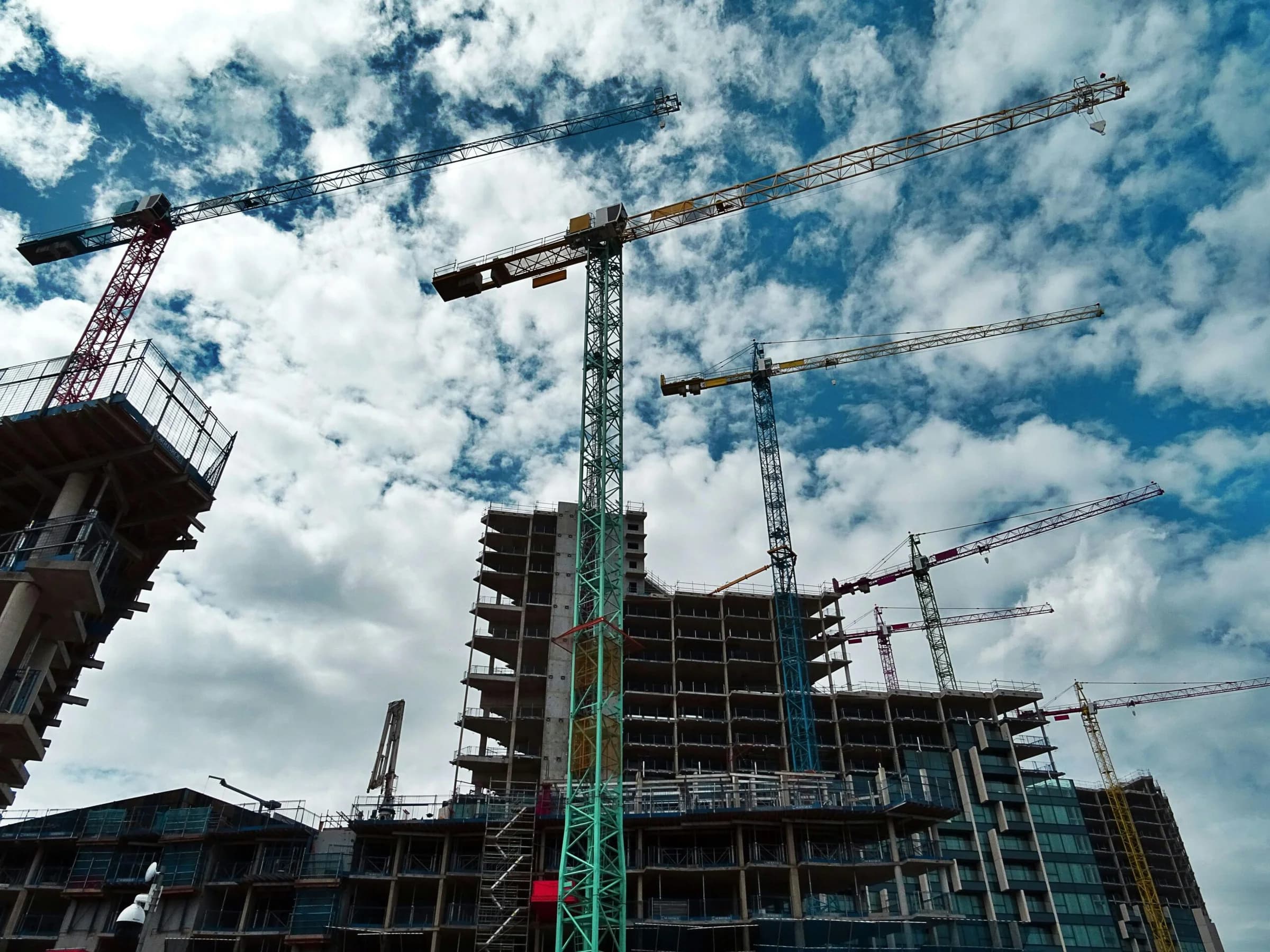
The built environment contributes up to 40 % of global greenhouse‑gas emissions. Operational carbon (heating, electricity) and embodied carbon (materials extraction, production, transport, demolition) together form a substantial share of these emissions. A study cited in the article shows that the UK’s target of 300,000 new apartments per year would exhaust the entire 1.5 °C carbon budget by 2050. Embodied carbon alone is projected to account for half of the carbon footprint of new construction between 2019 and 2050, underscoring the ecological limits of continued building.
Shifting Toward Housing Sufficiency
Instead of expanding the housing stock, the authors advocate “housing sufficiency,” which emphasizes better use of existing dwellings and more sustainable living arrangements. Policy ideas include incentives for downsizing, stricter regulation of short‑term rentals, higher taxes on vacant properties, co‑housing models with shared spaces, and subdivision of large apartments into smaller units. These measures are presented as stackable and mutually reinforcing, aiming to address both affordability and environmental goals.
Innovative Tools and Systemic Approaches
The article highlights the need for systemic change, suggesting that large‑scale retrofits, repurposing of underused buildings, and public investment in sustainable construction can complement sufficiency policies. It also points to emerging circular‑construction practices and the increased use of wood in building as ways to lower embodied carbon. Demos Helsinki’s own research on circular construction networks and timber‑based solutions provides concrete examples of such innovation.
Path Forward for European Cities
European municipalities are urged to adopt a dual focus on social equity and ecological responsibility. By integrating affordability with planetary‑boundary constraints, cities can move beyond the “build more” paradigm toward a model that ensures housing for all while mitigating climate and biodiversity crises. The article calls for coordinated policy, planning, and financing mechanisms to achieve this transition.