The capital that rents
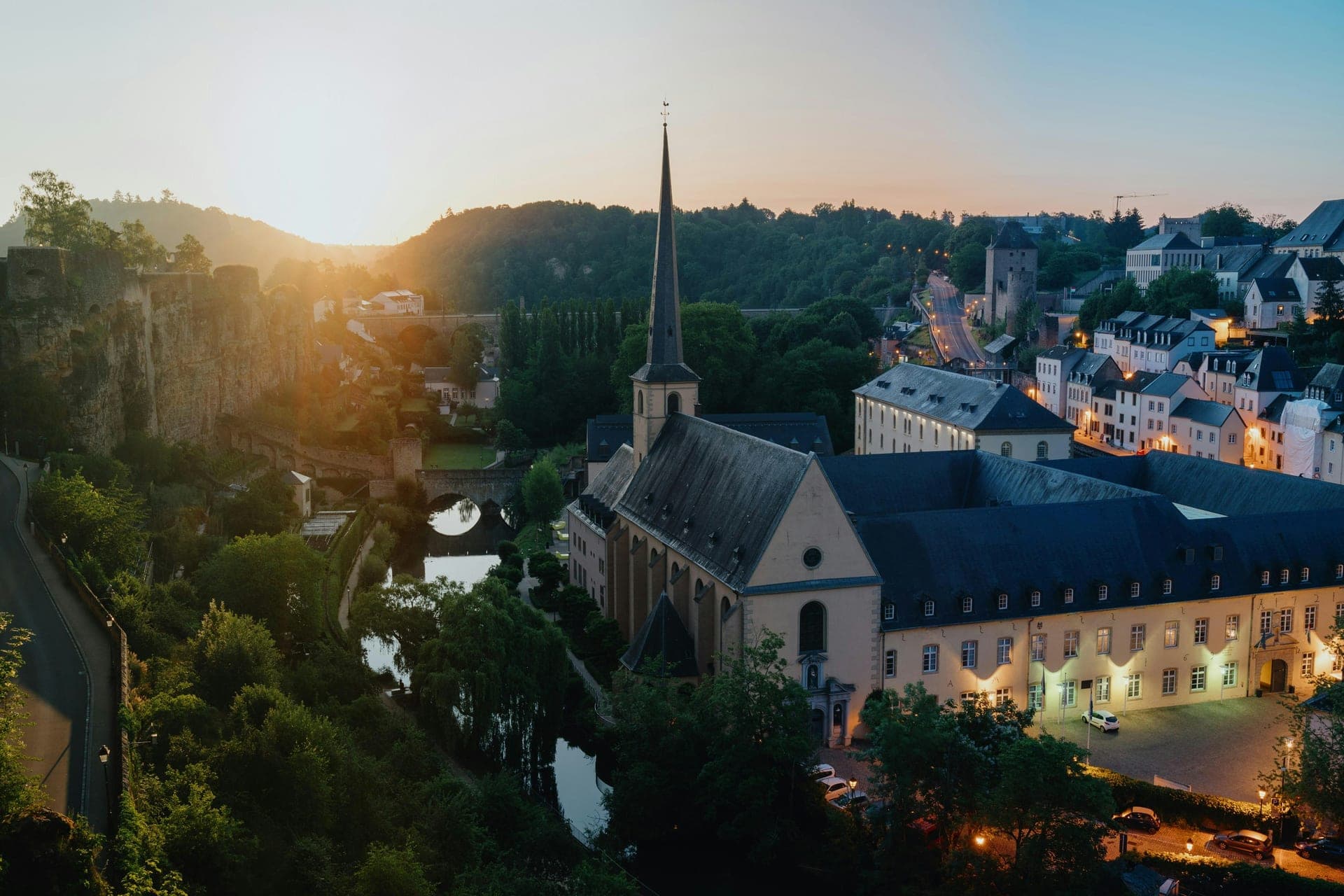
Luxembourg City is a small capital with an outsized pull. Its old quarters and fortifications draw visitors to a UNESCO-listed gorge, but the real story is who lives there now: a city of around 137,696 people where seven in ten residents hold a foreign passport and most households rent. That is the opposite of the country around it. Luxembourg built its housing system around ownership and the single-family house, yet its capital has become a renter city, and the gap between the two is where the pressure builds.
Count the households by tenure and the inversion is plain. Only about 38% of city households own their home, against a national majority of owners, and around 58% rent. Private landlords let the bulk of that rental stock, about 55.4% of all dwellings, while the public developers hold just 2.6%. Cooperatives are a rounding error: the catalogue records a cooperative tenure share of about 0%, with only a handful of cooperative organisations in the whole commune. The remaining 4% sit outside both owning and renting — households housed free of charge, the distinct "free accommodation" tenure Luxembourg's census counts alongside owners and tenants, typically family-owned non-market homes or employer-provided lodging. Luxembourg City is, in effect, an owner-and-private-landlord market with a thin public layer and almost no cooperative one.
- Owners
- Owner-occupier38.0%
- Renters
- Public & non-profit rental2.6%
- Cooperative0.00%
- Private rental55.4%
- Other4.0%
- Housed free of charge4.0%
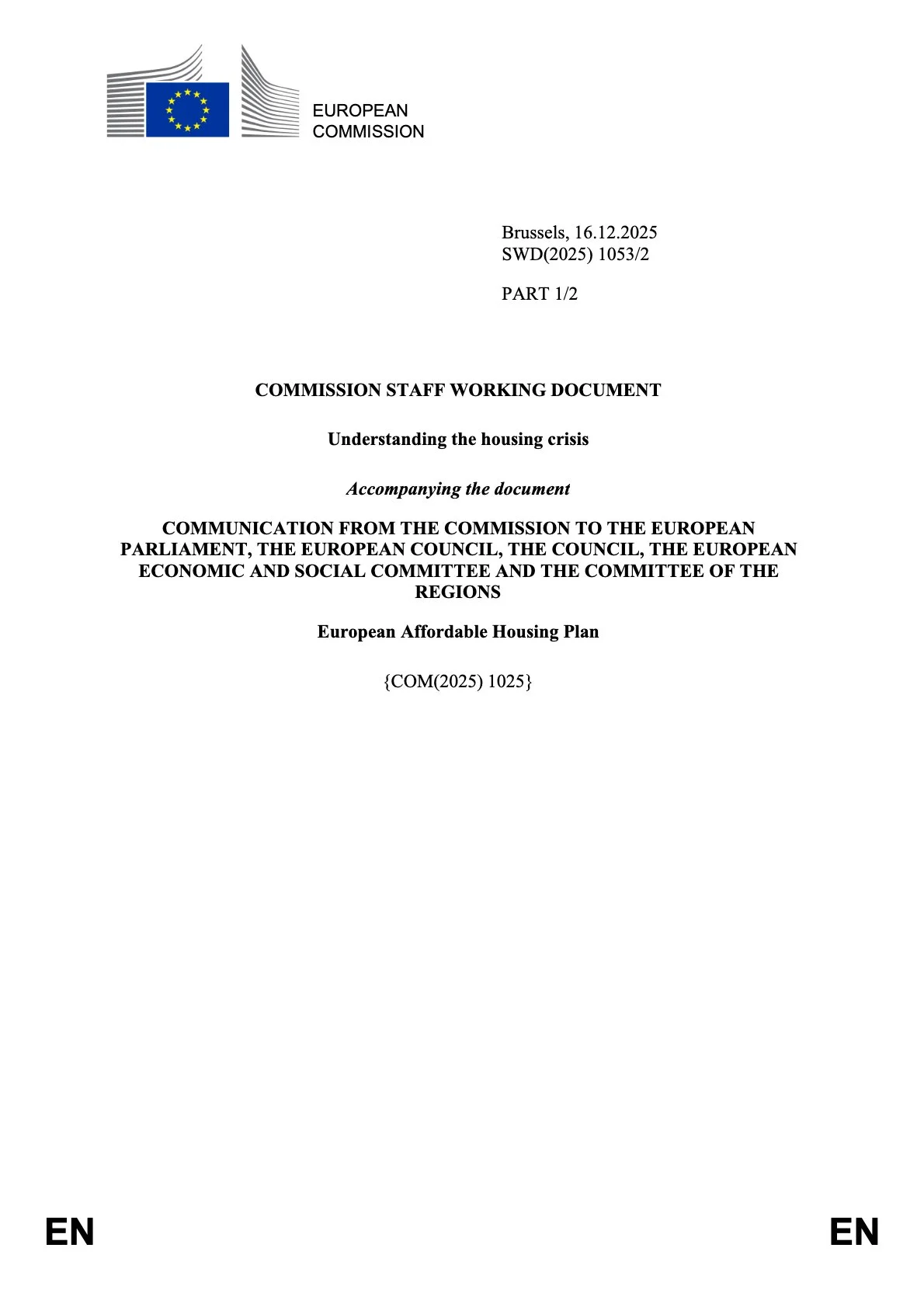
What Luxembourg counts as social housing is not really a tier at all. Only about 2% of the city's dwellings carry a social-housing rule, a targeting layer that sits on top of the small public-developer stock rather than forming a tenure of its own. Access is income-tested, and roughly 35% of resident households would qualify on income grounds — far more than the supply can house. There is no large not-for-profit rental sector behind the rule, the structural difference from Vienna or Amsterdam, where a deep social-rental stock does the heavy lifting. A comparative review of affordable-housing policy across the UNECE region sets out how unusual that thin layer is for a wealthy country.
Stack the rents by tenure and the gap between the floor and the market is stark. Tenants in the public-developer stock pay around €8.50 per square metre, the regulated floor. Climb one rung and the all-stock median is near €18; newly-let apartments ask a median €30; furnished, serviced lets reach about €35 per square metre gross. There is no cooperative rung on this ladder, because the city has almost no cooperative housing. The distance from the public floor to a new market contract is more than three to one, and a recent benchmarking study put Luxembourg among the most expensive rental markets in Europe.
- Public/municipal housing
- All-stock median
- New contracts
- Furnished / serviced (gross)
Net-cold monthly rent per square metre by tier (furnished is gross, all-in). The state-developer floor sits far below the market median; a newly-let private contract runs more than three times the public rate. There is no cooperative-rent tier, because the city has almost no cooperative housing.
Vacant homes explain less of the squeeze here than the headline prices imply. Residential vacancy in the city runs at about 3.5%, some 2,800 unoccupied dwellings, while the share of rental homes standing empty and available to let is tighter still, at roughly 2% of the rental stock. The real slack is in offices: around 107,652 square metres stand vacant, about 3.0% of the office stock, a conversion frontier the city is only starting to use. Tourist letting bites in the historic core rather than across the whole city; the median entire-place nightly rate sits near €145, enough to keep small flats on the visitor market instead of the long-term one.
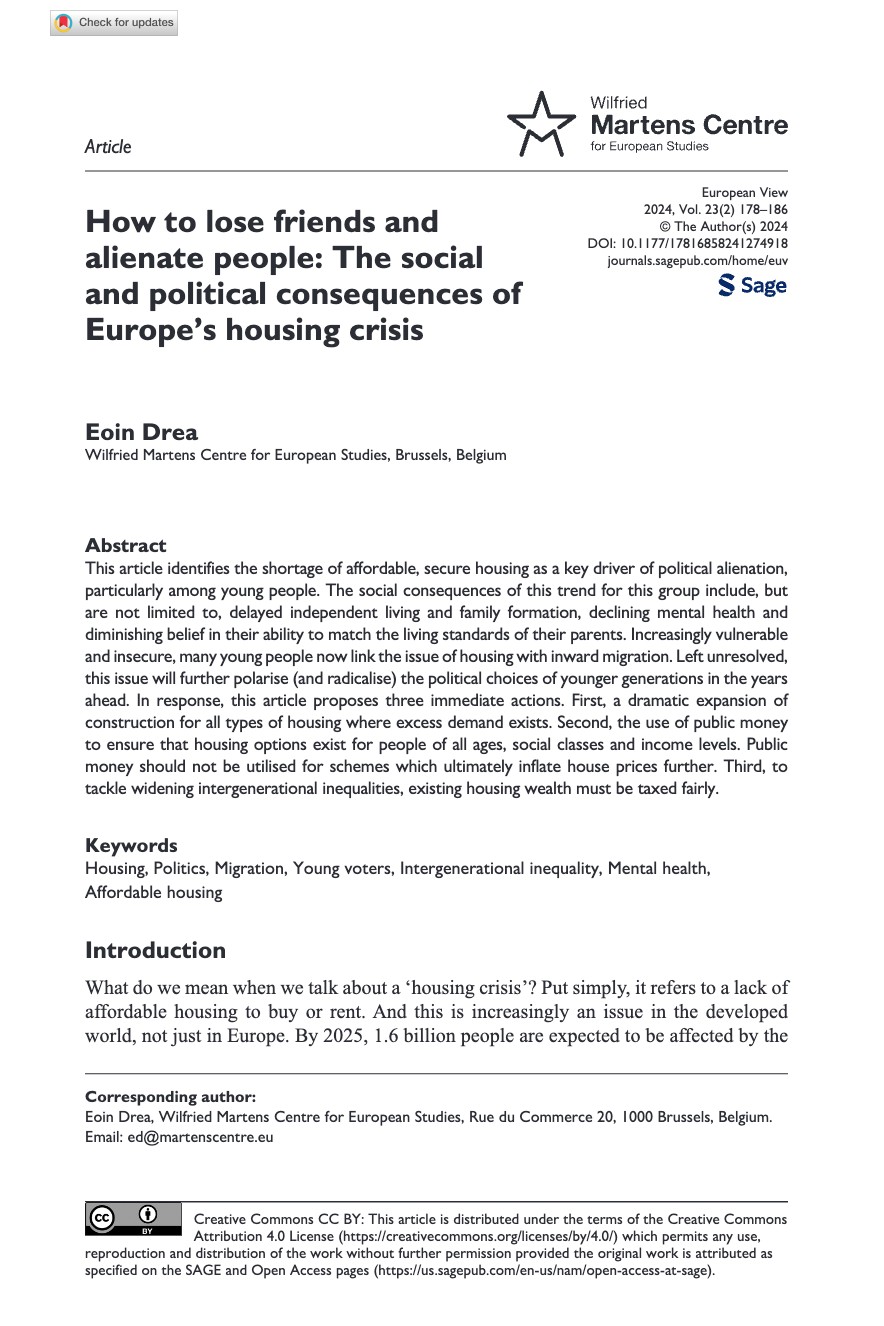
Even when prices dip, the inflow keeps the market taut. Finance, the EU institutions and cross-border work pull roughly 8,500 net new arrivals a year into the city, yet the commune issues only about 1,100 housing permits a year to house them. That mismatch has climbed well up the income scale: a single earner on a good salary can struggle to sign a new lease, and the city still counts around 350 homeless people despite one of the highest median incomes in Europe. A wide-angle read of Europe's crisis warns that unaffordable housing in places like this delays family formation and corrodes trust, and the Caritas estimate of tens of thousands in housing need nationally shows the scale.
We are living through two housing crises.The cooperative that almost is not
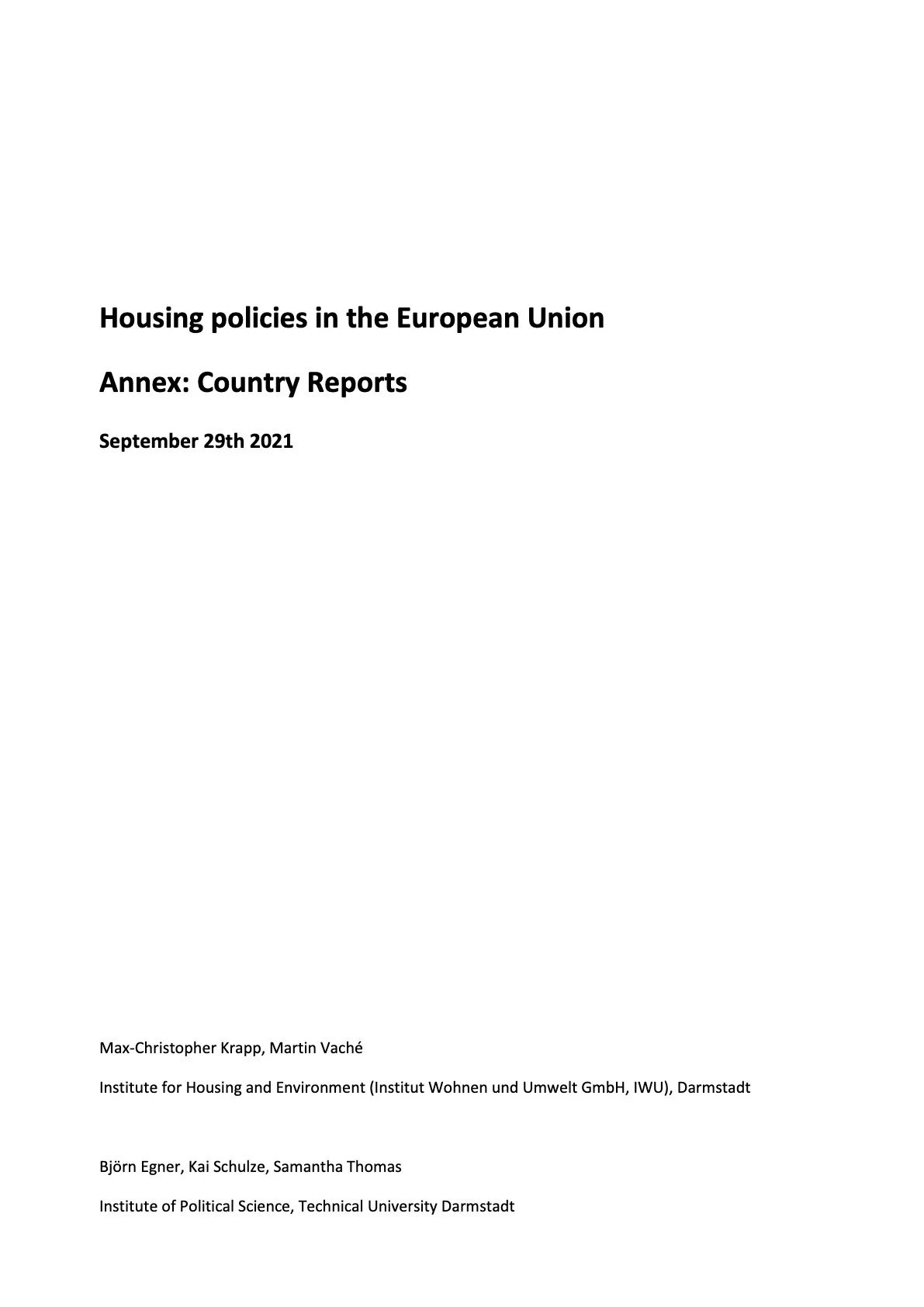
In most European capitals this section maps a cooperative ecosystem. In Luxembourg City it has to explain an absence. The catalogue records essentially no cooperative tenure, and the country's affordable housing has instead been carried by two public developers: the Fonds du Logement, the state housing fund founded in 1979, and the older National Society for Low-Cost Housing. The IWU country report on Luxembourg describes the result as a two-tier system, with a large owner-occupier base and a medium-sized private-rental sector. Their main tool is the bail emphytéotique — a long land lease of 27 to 99 years that lets the state keep ownership of the land while selling or letting the home below market value. It is a public-developer model, not a member-owned one.
The cooperative form is new and fragile here. Adhoc, founded in the 2010s, is Luxembourg's first non-profit housing cooperative, built on participatory design, ecological construction and below-market costs for its members. It is the exception that proves the rule: the country has had only one self-managed housing group of any scale, and the legal and financial scaffolding that a cooperative needs — a not-for-profit housing framework, cheap long-term finance, access to land — simply is not in place. A study of European co-housing initiatives traces how rare these schemes stay without that support.
What blocks the form is mostly land and money. Buildable land is scarce and tightly held, which prices a non-profit out before it starts; traditional lenders are wary of a model with no resale profit; and the public developers, not cooperatives, are the channel the state funds. Adhoc's first pilot showed the friction directly. A community-housing scheme planned with the public developer Fonds Kirchberg on the Réimerwee site was shut down in early 2021, after the fund attached conditions — selling the apartments and selecting residents by social criteria — that a member-owned, non-saleable cooperative could not accept. The cooperative walked away and turned to smaller projects elsewhere.
Whether the cooperative ever grows past Adhoc is, in the end, a political choice, which is where the next section leads. The country has the raw demand — surveys of catalytic capital find strong tenant appetite for cooperative and affordable rental in capitals like this — and it has begun to treat participatory housing as a recognised option rather than a curiosity. But the heavy lifting still runs through the state developers and the affordable-leasehold model, and whether the cooperative ever becomes more than a pioneer rests on the policy decisions that follow.

Building, mobilising and the land nobody will sell
Luxembourg's housing politics is the politics of supply in a country that will not release its land. At national level Claude Meisch, of the centre-right Democratic Party, holds the housing brief as Minister of Housing and Spatial Planning. His flagship instrument is the Pacte Logement 2.0, a pact between the state and the communes to expand affordable, sustainable housing. The state's special fund for affordable housing recorded 4,226 conventioned homes across 292 projects by 2024, more than double the 2021 figure, and a 2025 reform added a "silence is consent" rule to speed permits.
With no regional tier between the state and the communes, the city itself is the planning authority — so the municipal lever counts for more here than in most capitals. Mayor Lydie Polfer, also of the Democratic Party, has run Luxembourg City since 2013 and has pushed the commune to build and sell affordable homes directly, including a 2025 batch of city flats sold under €300,000 to people who work in the capital but cannot afford to live there. The state sets the subsidy and the law; the city allocates the land and grants the permits.
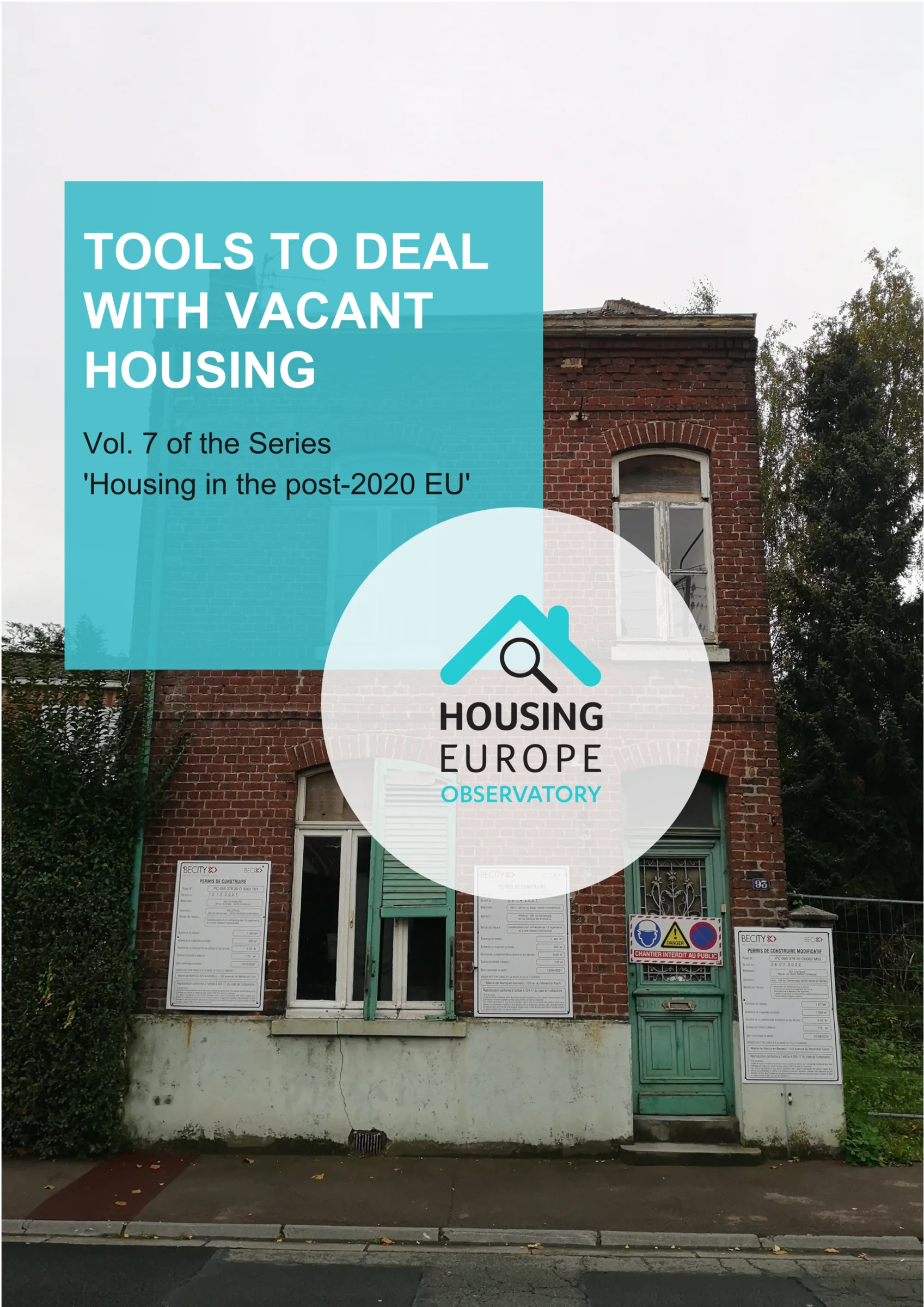
Land is the binding constraint, and the policy answer is mobilisation rather than subsidy. The Housing Observatory has reported that roughly 84% of buildable land is owned by about 50 private individuals and companies, who face almost no cost for sitting on it. The state's reply is the Baulücken programme, which maps unbuilt plots inside urbanised areas, plus a long-debated land tax meant to make hoarding expensive. The empty-office slack from earlier offers a second frontier, since converting obsolete commercial floor into homes is something the city is only starting to use. Meisch has been blunt that the state holds no hidden reservoir of land, so the fight is over private plots — a problem a policy guide to returning vacant land and homes to use frames as common across Europe but unusually concentrated here.
Decarbonising the stock and expanding it have become one and the same task here. The city's housing stock averages around 50 years old, only about 26% of dwellings are energy-efficient, and the renovation rate crawls at roughly 1.2% a year. The big state projects are the main vehicle for cutting the sector's carbon: a brownfield district built to ecological standards does climate and supply work at once, which ties the retrofit goal to the non-market tier the state is trying to grow. The tax breaks that inflate property prices remain a live grievance, a theme an analysis of how governments lure capital into real estate traces across European capitals.
- 1979[source]
Fonds du Logement founded
The state housing fund is created to build and let affordable homes directly, alongside the older National Society for Low-Cost Housing — the two public developers that still carry most of the non-market stock.
- 2008[source]
Affordable-leasehold model promoted
The Housing Promotion Act modernises the bail emphytéotique, a long land-lease of 27 to 99 years that lets the state keep the land while selling or letting the home below market price.
- 2021[source]
NeiSchmelz approved
Parliament backs the conversion of a 36-hectare former steelworks in Dudelange into an ecological district of about 1,575 mostly affordable-rental homes, the largest single state housing project.
- 2021[source]
Baulücken mobilisation begins
The national vacant-lot programme starts mapping unbuilt plots inside urbanised areas, after studies show most buildable land is held undeveloped and virtually tax-free.
- 2023[source]
Land-concentration study
The Housing Observatory reports that roughly 84% of buildable land is owned by about 50 private individuals and companies, framing land hoarding as the binding constraint on supply.
- 2024[source]
Prices fall 16.3% in eighteen months
According to the Ministry of Housing, housing prices fall by an average 16.3% between the third quarter of 2022 and the first quarter of 2024, as the European Central Bank's sharp interest-rate rises make both buyers and developers hesitate.
- 2024[source]
Affordable-housing fund passes 4,000 homes
The special fund for affordable housing records 4,226 conventioned homes across 292 projects in 82 municipalities, more than double the 2021 figure.
- 2025[source]
Pacte Logement 2.0 reformed
A reform simplifies procedures with a "silence is consent" rule and raises the share of new construction that must be reserved for affordable housing.
- ~2035[source]
NeiSchmelz built out
The Fonds du Logement expects NeiSchmelz to house around 3,700 residents over roughly fifteen years, with the first homes due from 2027.
From the founding of the two public developers and the affordable-leasehold model to the Pacte Logement 2.0, the land-mobilisation reforms and the NeiSchmelz brownfield district.
What divides the parties is not whether to build but how far the state itself should reach. Minister Claude Meisch argues that the state must play a bigger role in creating housing but that it can never be the state's job alone, and that everyone can be part of the solution. From the opposition benches, Nathalie Oberweis of the left-wing déi Lénk has argued that the emergency is already a reality and that the right to housing is not being respected, pressing for it to be written into law and for speculation to be taxed. The shared ground is that the non-market tier has to grow; the argument is over the speed, and over how hard to press the private owners who hold the land.
The right to housing is not being respected in Luxembourg.Steelworks, leaseholds and one stubborn cooperative
Luxembourg's working examples run from a half-billion-euro brownfield district to a single cooperative fighting for a foothold, and the thread that connects them is a state doing the building that a thin non-market sector cannot. The examples below run from the largest state scheme down to the lone cooperative, before naming the actors trying to widen the model.
NeiSchmelz in Dudelange is the clearest sign of state ambition. The Fonds du Logement is converting a 36-hectare former steelworks into an ecological district of about 1,575 mostly affordable-rental homes for some 3,700 residents, backed by roughly €500 million of state money. Its caveat is its size and its clock: more than half the budget goes on cleaning contaminated soil and re-routing a stream before a single home is let, the first dwellings are not due until 2027, and the full build runs about fifteen years — slow relief for a crisis that is acute now.
Fonds Kirchberg shows the affordable-quota model inside the capital. The public land developer on the Kirchberg plateau has set a target that two-thirds of homes in its remit be affordable, delivered with private and public partners and let through the SNHBM. The friction is the one Adhoc ran into: the fund's commercial and allocation rules are written for sale and social targeting, not for member ownership, so the affordable homes arrive as state-let or state-sold units rather than as a community-owned tenure.
Porte de Hollerich is the city's own big bet. The Nei Hollerich plan would turn a former industrial and slaughterhouse zone near the station into a new neighbourhood for several thousand residents and jobs, the kind of mixed brownfield regeneration the commune controls directly as planning authority. Its caveat is time and contention: large masterplans here move slowly through consultation and land assembly, and the promised affordable share has to survive years of negotiation with the private owners who hold the plots.
Adhoc is the most decommodified version of the idea, and the most exposed. After its Réimerwee pilot collapsed in 2021, the cooperative regrouped around smaller participatory schemes, working to deliver permanently affordable, member-built homes outside the sale market. The scale is tiny and the financing improvised, but it is the closest Luxembourg has to a self-organised, non-speculative housing movement, and a reminder that the appetite a young-cooperatives study finds among Europe's young households exists here too — it just has nowhere to land.
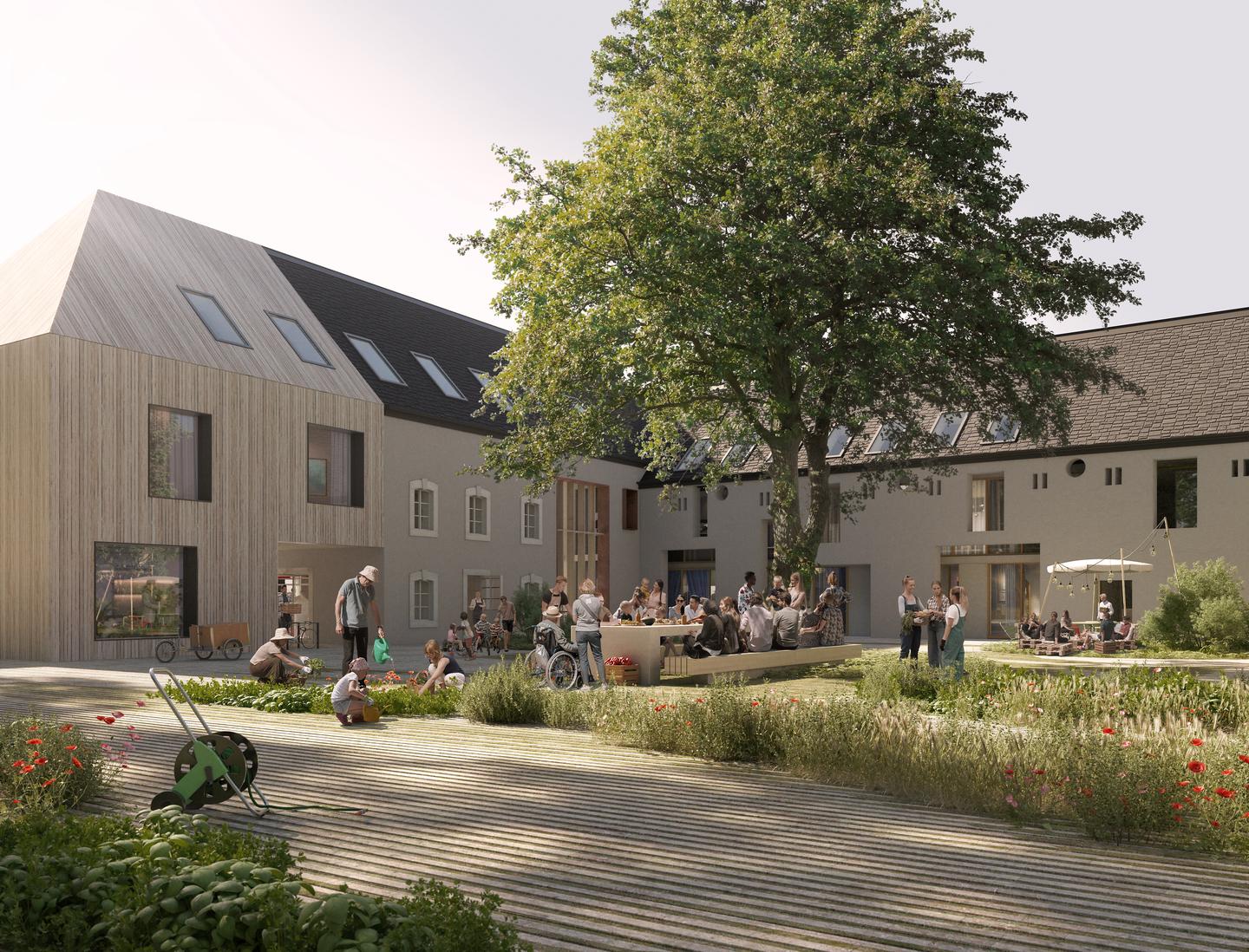
The institutions standing behind these projects are sparse, and an honest profile names what is missing. The two state developers carry the non-market load; the Housing Observatory supplies the diagnosis; the Pacte Logement binds the communes in. But there is no federation of cooperatives, no patient-capital fund built for member housing, and no not-for-profit rental sector of the kind that anchors Vienna or Copenhagen — a gap the State of Housing in Europe survey sets in continental context. Luxembourg has the money and the political attention. What it lacks is the connective tissue between citizens, land and finance that turns a public programme into a movement.
References
Statistics17Click on any number to see the source
Housing market
Tenure & affordability
Cooperative, social & public
Adaptive reuse & vacancy
Population & migration
From our library11
- #Housing2030 Effective policies for affordable housing in the UNECE region — Knowledge
- Understanding the housing crisis: Staff Working Document accompanying the European Affordable Housing Plan — Knowledge
- How to lose friends and alienate people: The social and political consequences of Europe’s housing crisis — Knowledge
- Housing policies in the European Union — Knowledge
- Adhoc — Organisation
- Learning from co-housing initiatives — Between Passivhaus engineers and active inhabitants — Knowledge
- Catalytic capital investment as an enabler of affordable rental and cooperative housing - Investor Report — Knowledge
- Tools to Deal with Vacant Housing — Knowledge
- Untaxed - How governments lure capital into real estate and feed the housing crisis — Knowledge
- Young people and cooperatives: a perfect match? — Knowledge
- The State of Housing in Europe 2025: Trends in a Nutshell — Knowledge
Further sources16
- Claude Meisch — "Chacun peut être une partie de la solution" (Paperjam interview) — Le gouvernement luxembourgeois
- Affordable-housing fund passes 4,226 homes — Le gouvernement luxembourgeois
- Pacte Logement 2.0 reform — simplification + more affordable housing — Ministère du Logement
- Mei seier bauen — 2025 housing measures — Chambre des Députés
- Nathalie Oberweis (déi Lénk) — "le droit au logement n'est pas respecté" — Le Quotidien
- Lydie Polfer — Mayor of Luxembourg City — Ville de Luxembourg
- Lydie Polfer — affordable city flats under €300,000 — Paperjam
- Parliament approves €500m Dudelange (NeiSchmelz) housing project — Delano
- NeiSchmelz — a national project for housing and culture — Le gouvernement luxembourgeois
- Fonds Kirchberg — affordable housing — Fonds Kirchberg
- Ville de Luxembourg — urban development and housing (Nei Hollerich) — Ville de Luxembourg
- Housing cooperatives in Luxembourg — the Adhoc / Réimerwee case — CIPU
- Private land owners uninterested in building (84% concentration) — Delano
- National Baulückenprogramm — vacant-lot mobilisation — CIPU
- Luxembourg housing prices drop 16.3% between Q3 2022 and Q1 2024 — Chronicle.lu
- STATEC — population and housing statistics — STATEC