Rebuilt skyline, sold-off homes
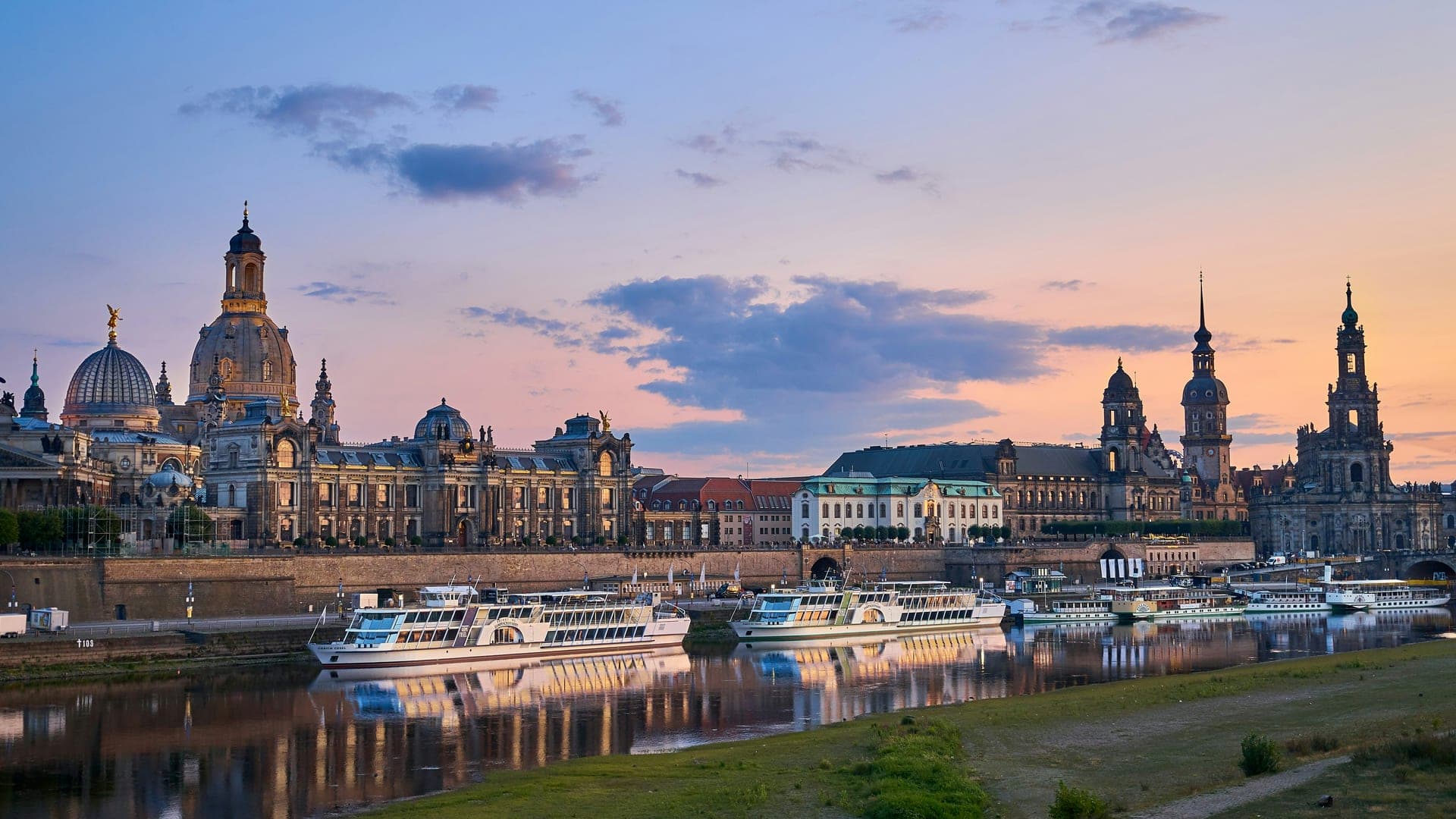
Dresden knows how to rebuild. Its baroque centre burned in February 1945, and the Frauenkirche reopened only in 2005 after a reconstruction paid for by donations, reusing 3,800 of its original stones. The homes came back differently. Prefabricated estates such as Gorbitz and Prohlis housed the post-war city, emptied after 1990, and in 2006 the council sold its entire municipal housing company. Now a chip boom in the north is bringing newcomers again, and the city has to decide who will house them.
Most Dresdeners rent. Around 83.2% of households are tenants and only 16.8% own their home, a split close to Berlin's. Cooperatives hold 12% of the city's 319,553 dwellings, roughly 38,000 flats run by around 10 larger societies. The public slice is thin and needs a definition. Dresden no longer owns a big municipal landlord, so the 3.1% counted as public below is the 10,000 flats over which the city holds allocation rights. Most of them belong to Vonovia. Private landlords let the remaining 68.1%.
- Owners
- Owner-occupier16.8%
- Renters
- Public & non-profit rental3.1%
- Cooperative12.0%
- Private rental68.1%
Social housing in Dresden is a set of obligations rather than a landlord. About 3.1% of the stock carries an allocation or rent binding, and nearly all of it is the former WOBA stock above. Tenants reach them with a Wohnberechtigungsschein (the income-tested certificate that entitles a household to a bound flat). The city issued 4,916 certificates in 2025, and around 45% of households fall under the Saxon income limits. A second layer is now being built. Since 2017 state grants have funded 1,477 subsidised new flats, about half of them by the municipal WiD Wohnen in Dresden. The binding therefore spans private rental and a rebuilt public company, not one tenure.
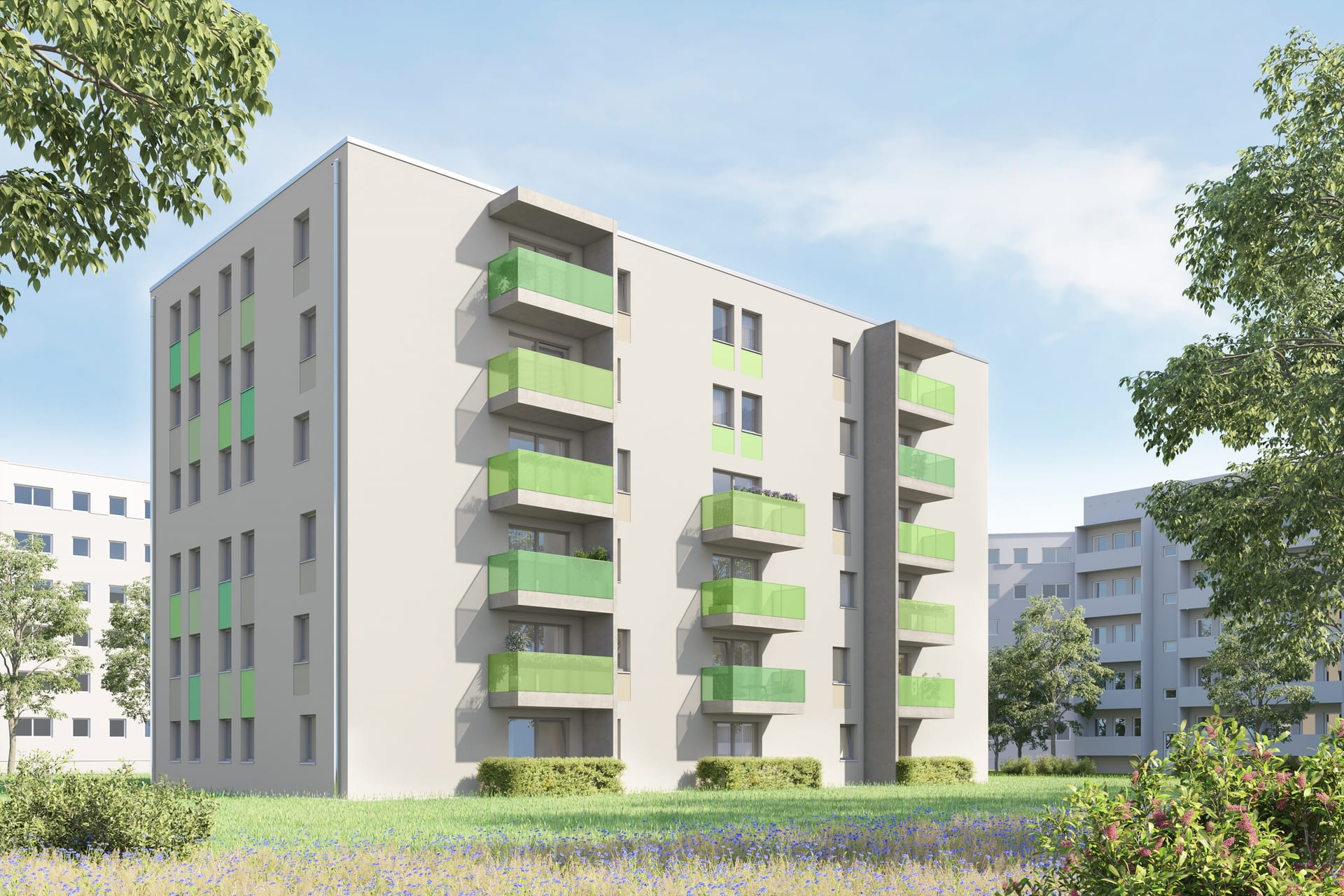
Rents look modest by German standards, but the ladder is steep. Cooperative members pay around €5.77 per square metre net cold, and subsidised municipal flats let at about €7.50. The Mietspiegel (the city's qualified rent index) puts the all-stock median at €6.95. New private lets are advertised at €9.55, and furnished flats at €19.55 gross, where a one-bedroom costs about €900 a month. Asking rents rose 18% in 3 years, the second-fastest rise among Germany's largest cities after Hamburg.
- Cooperative
- All-stock median
- Public housing (WiD, subsidised)
- New contracts
- Furnished (gross)
Net-cold monthly rent per m² for the cooperative, all-stock, subsidised municipal and new-contract tiers. The furnished tier is gross, with utilities and furniture included. Subsidised WiD flats sit slightly above the all-stock median because they are new-build.
Dresden has also lived through the opposite problem. Around 2000, 40% of the Plattenbau flats in Gorbitz's Kräutersiedlung stood empty, and demolition cut one complex from 828 units to 131. The 2022 census still counted 4.1% of dwellings as empty, or 13,218 flats. Much of that is churn and renovation. Saxony's cooperatives report vacancy below 3% in Dresden and Leipzig, against more than 14% in the Meißen, Erzgebirge and Zwickau districts. Offices are tight as well. Vacancy runs at 5.0%, about 160,000 square metres of empty floor, so there is no office glut waiting to be converted.
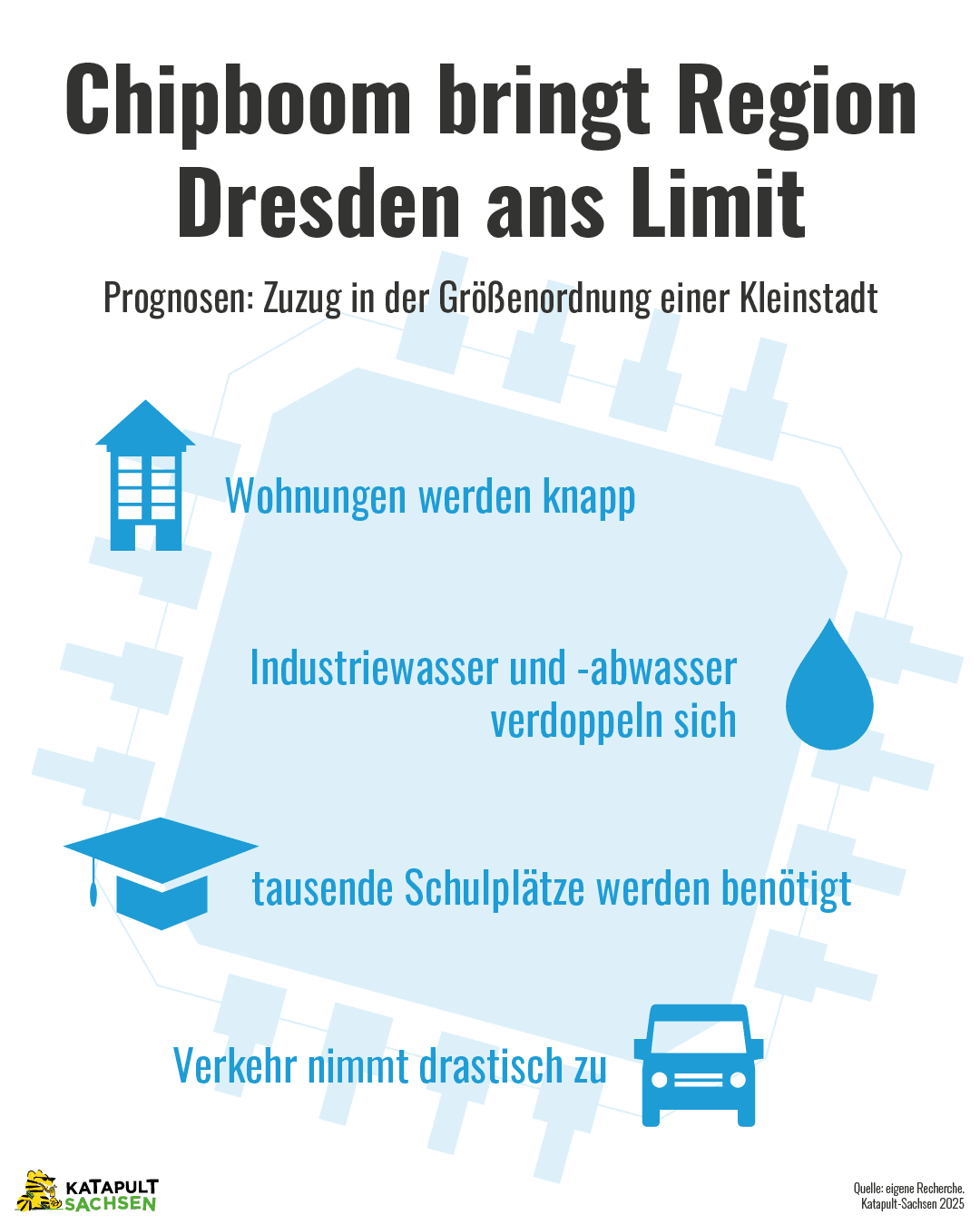
The new demand comes from the chip industry. Dresden already records about 35,900 arrivals a year. With ESMC, the TSMC-led fab, due to start production in 2027, an investigation by KATAPULT Sachsen counts 24,000 expected newcomers in the region within 5 years. The city's own forecast calls for 21,000 new flats by 2035, or 2,300 a year until 2030. Completions went the other way: from an average of 2,300 a year in 2016 to 2022 down to about 1,700 in 2023 and 2024. The Mietpreisbremse (the federal rent brake, which caps new lets in designated cities just above the rent index) covers the whole city until 30 June 2027.
The strain is uneven. According to the city's 2024 resident survey, tenants spend on average 28% of net income on housing, a share stable since 2016. But 31% of tenant households pay more than 30%, and 13% pay more than 40%. Households at risk of poverty spend half their income on housing, while the most affluent spend 17%. The burden also reaches beyond the poorest: one-person households average 31%, and single pensioners about a third. Housing is now the city's third-ranked problem, named by almost 30% of respondents after transport and political polarisation. In the 2026 consultation on the city development plan, 61% of participants named rising housing costs as their main concern, and only 5.8% were satisfied with the market. Conflict with the largest landlord is rising too. In July 2026 tenants in Johannstadt sent 118 complaint letters to Vonovia, which owns about 40,000 Dresden flats, over surcharges they say the rent index does not allow.
The consequences of a tight housing market are dramatic for many households. Adequately sized housing can no longer be found, or it becomes a poverty trap. Tenants no longer dare to assert their rights.Against that pressure stands one large and steady asset: the 12% of homes that Dresden's cooperatives own, and the century of practice behind them.
From Hellerau to the Plattenbau: the third landlord
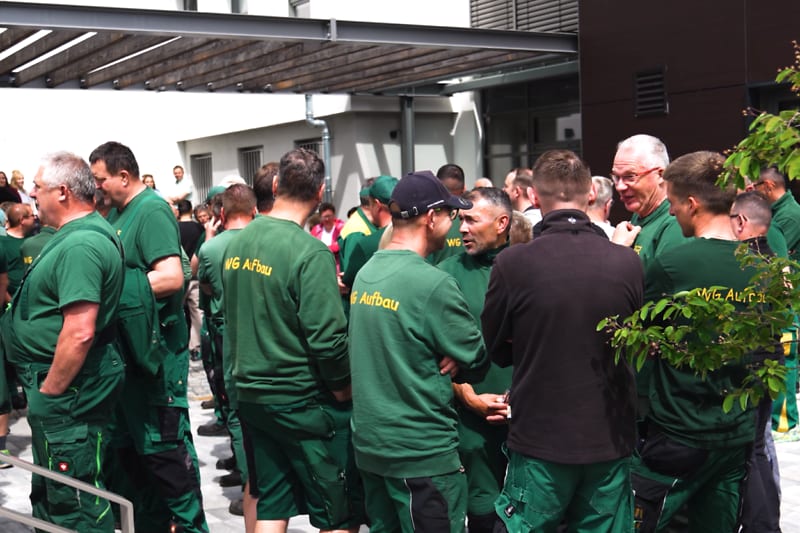
Dresden's cooperatives are rental cooperatives of the classic German kind. A household joins by buying Geschäftsanteile (cooperative shares, repaid at face value when the member leaves). In return it gains a permanent right to a flat at cost rent. There is no resale market in the flat itself, so speculation finds no handle. WG Aufbau Dresden, one of Germany's largest cooperatives with about 17,000 flats, puts it simply: membership secures a right of residence for life. Across the Saxon federation, members' average rent is €5.75 per square metre, well below the city's new-let level.
The tradition was built twice. In 1908 the Baugenossenschaft Hellerau was founded so that low-income families could live in Germany's first garden city, on land bought at cost. Neighbourhood societies followed in 1911 and 1912 in Dobritz, Laubegast and Leuben, the roots of today's GWG Dresden-Ost. The GDR revived the form as the AWG (workers' housing cooperatives attached to state enterprises). The Sächsische Wohnungsgenossenschaft Dresden began in 1954 as the first AWG in the GDR, founded by 69 workers at a transformer plant. It later absorbed the Dresdner Spar- und Bauverein of 1898. The Eisenbahner-Wohnungsbaugenossenschaft started the same year for railway workers. In the 1970s each large cooperative was assigned whole districts of prefabricated housing, which is why they still anchor estates such as Gorbitz. The arc matches what a history of 160 years of German housing cooperatives describes nationally.
Today the sector falls into three clusters. The first is the large post-GDR societies: WG Aufbau, the SWGD with nearly 9,600 flats, and the EWG with 8,595 flats and 9,859 members. They are financially solid but carry Plattenbau estates that need costly energy retrofits. The second is a small wave of project cooperatives. WoGe Dresden eG, founded in 2020 as an umbrella cooperative, buys houses together with the groups living in them. The ZENTRALWERK culture and housing cooperative mixes studios and flats in a converted factory. Both experiment with the shared-living forms that a federal study of communal living in cooperatives catalogued. The third cluster sits outside cooperative law: Mietshäuser Syndikat houses held by resident companies under a no-sale covenant.
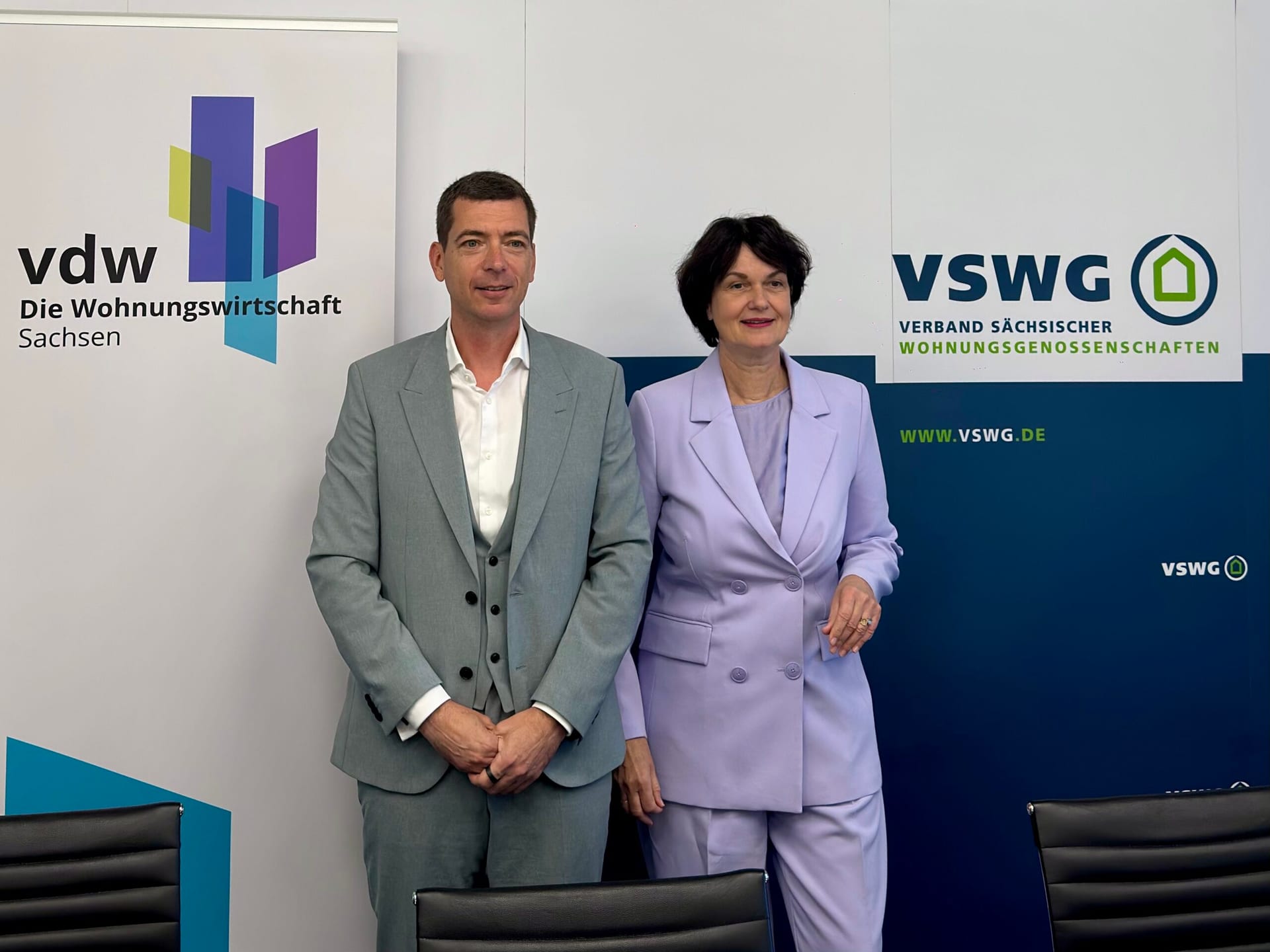
All three clusters hit the same wall, which is new build. The Dresden-based VSWG (the federation of Saxon housing cooperatives) counted only 176 new cooperative flats across Saxony in 2025. Its board member Mirjam Philipp called new construction "economically hardly viable" under current conditions. For the large societies, building costs outrun any rent their members could pay. For the young ones, the harder task is raising equity at all.
The city and the Land have begun to treat cooperatives as partners rather than bystanders. Since 2023 the state's FRL pMW grant (support for affordable rented housing in existing buildings) has gone mainly to the WiD and the Dresden cooperatives. It pays for Plattenbau retrofits in exchange for rent and allocation bindings. A federal study of cooperatives as municipal partners in the Alliance for Affordable Housing describes the same bargain nationally. What remains open is whether cooperatives will also be given land to build on.
Buy back, bind, build
City hall is pulling three levers at once. Mayor Dirk Hilbert of the FDP (the liberal Free Democrats) leads an administration in which social affairs sit with Kristin Klaudia Kaufmann and building with Stephan Kühn. The first lever is buying back. In March 2024 the WiD took over 1,213 flats and building land from Vonovia after the council approved the deal by a large majority. The second is binding. In April 2026 the city extended its allocation rights over 10,000 former WOBA flats until 2036. Without that step the bound stock would have fallen to 963 flats. The third is building. The council is adopting the federal Bauturbo (a package of Building Code changes that speeds up housing approvals) on strict terms. Builders must start within 3 years of a permit, and larger schemes must include subsidised flats under the Kooperatives Baulandmodell (the city's rule tying new building rights to a social-housing quota).
The Bauturbo is first and foremost an approvals turbo. So that projects are actually built, and the Bauturbo does not mutate into a speculation turbo, we always tie its use to construction starting promptly.Each tier of government holds a different piece. Federal law sets the tenancy rules, and the Bundestag extended the Mietpreisbremse to 2029. But the brake only applies where a Land declares a tight market. Saxony's SMIL (the state ministry for infrastructure and regional development) has done so for Dresden and Leipzig alone, and only until 30 June 2027. Its minister, Regina Kraushaar, framed the renewal cautiously: active building, she said, is "the most sustainable way to stabilise housing markets". A study by the research firm empirica will inform the next decision. Saxony also funds the flats the city commissions. It granted €21.2m for 2025 for new bound flats, at rents of €7.63 to €9.36 per square metre.
For cooperatives the concrete instrument is the retrofit grant, not land. The FRL pMW has placed bindings on 1,538 existing flats since 2023, much of it in cooperative Plattenbau. Land for new projects has come from outside the state. The Zentralwerk site, for example, is held by Stiftung trias, a foundation that takes land off the market and grants a 99-year Erbbaurecht (a long ground lease) to the cooperative.
The debate runs between camps that agree Dresden needs more homes. Developers want speed. Jörg Wimmer, chair of Stadtgestalter, which speaks for 13 Dresden housing companies, told KATAPULT Sachsen that approved projects for 1,000 flats lie idle. Building costs of about €6,000 per square metre would need rents of €18 to €20. "If we do nothing and everyone streams into Dresden, rents will rise immeasurably," he warned. The tenants' side draws a different conclusion. The Mieterverein Dresden calls the chip-driven influx "a great risk" and wants a Zweckentfremdungsverbot (a ban on diverting flats to other uses). It says furnished lets are often used to dodge the rent brake. Nationally, whether the Bauturbo can solve the housing crisis remains contested.
Empty space gets a reuse answer rather than a tax. For the first time, the housing-need forecast counts conversions and rooftop extensions, and finds building land for 127% of demand. Offices offer little, since Dresden is far from the glut described in a 2025 federal report on office vacancy. The real reserve is the Plattenbau stock itself, where re-planning replaces demolition.
Climate targets push the same way. The council adopted the DresdenZero citizens' initiative and its goal of greenhouse-gas neutrality by 2035. The 2024 energy and climate concept judges 2040 realistic and promises to accelerate, with municipal heat planning among more than 50 measures. Federal GEG rules (the Buildings Energy Act) and the EU's EPBD (the directive on buildings' energy performance) add pressure to retrofit. Cooperatives start ahead: 32.6% of VSWG members' flats are already in energy class B. Keeping a Plattenbau standing also avoids the embodied carbon of new concrete.
- Mar 2006[source]
Council sells WOBA
By 40 votes to 29, the council sells the municipal WOBA to Fortress for €981.7m net, making Dresden the first large German city without debt. The city keeps allocation rights over 8,000 flats until 2026.
- 2012[source]
Settlement with Gagfah
An out-of-court settlement fixes 10,000 allocation rights, extendable twice by 10 years if the city proves need.
- 2017[source]
Subsidised building restarts
State-funded social-housing construction begins; 1,477 flats are funded by mid-2025, about half by the WiD.
- May 2022[source]
First Saxon rent brake
Saxony designates Dresden and Leipzig as tight housing markets, capping new lets at 10% above the rent index.
- Feb 2024[source]
Energy and climate concept
The city presents its climate concept: neutrality realistic by 2040, to be accelerated towards the 2035 target set by the DresdenZero initiative.
- Mar 2024[source]
WiD buys back 1,213 flats
The municipal WiD takes over 1,213 Plattenbau flats and building land from Vonovia; retrofit of both quarters is due by 2031.
- Jan 2026[source]
Rent brake renewed
The Saxon rent brake for Dresden and Leipzig is re-issued from 1 January 2026 to 30 June 2027.
- Jan 2026[source]
Bauturbo framework
The city forecasts a need for 21,000 new flats by 2035 and proposes conditions for applying the federal Bauturbo.
- Apr 2026[source]
Allocation rights extended
Rights over 10,000 former WOBA flats are extended to April 2036; without them the bound stock would have shrunk to 963.
- Jun 2027[source]
Rent brake expires unless renewed
The current Saxon ordinance runs out on 30 June 2027.
- 2031[source]
WiD retrofit deadline
Target date for bringing the two quarters bought from Vonovia up to current energy standards.
- 2035[source]
Housing and climate targets
Horizon of the 21,000-flat housing-need forecast and of the council's climate-neutrality goal.
- Apr 2036[source]
Allocation rights end
The extended rights expire unless the city proves need for the second and final 10-year extension.
From selling the municipal stock to buying part of it back, and the deadlines that now shape the next decade.
Old stones, new homes: the retrofit city
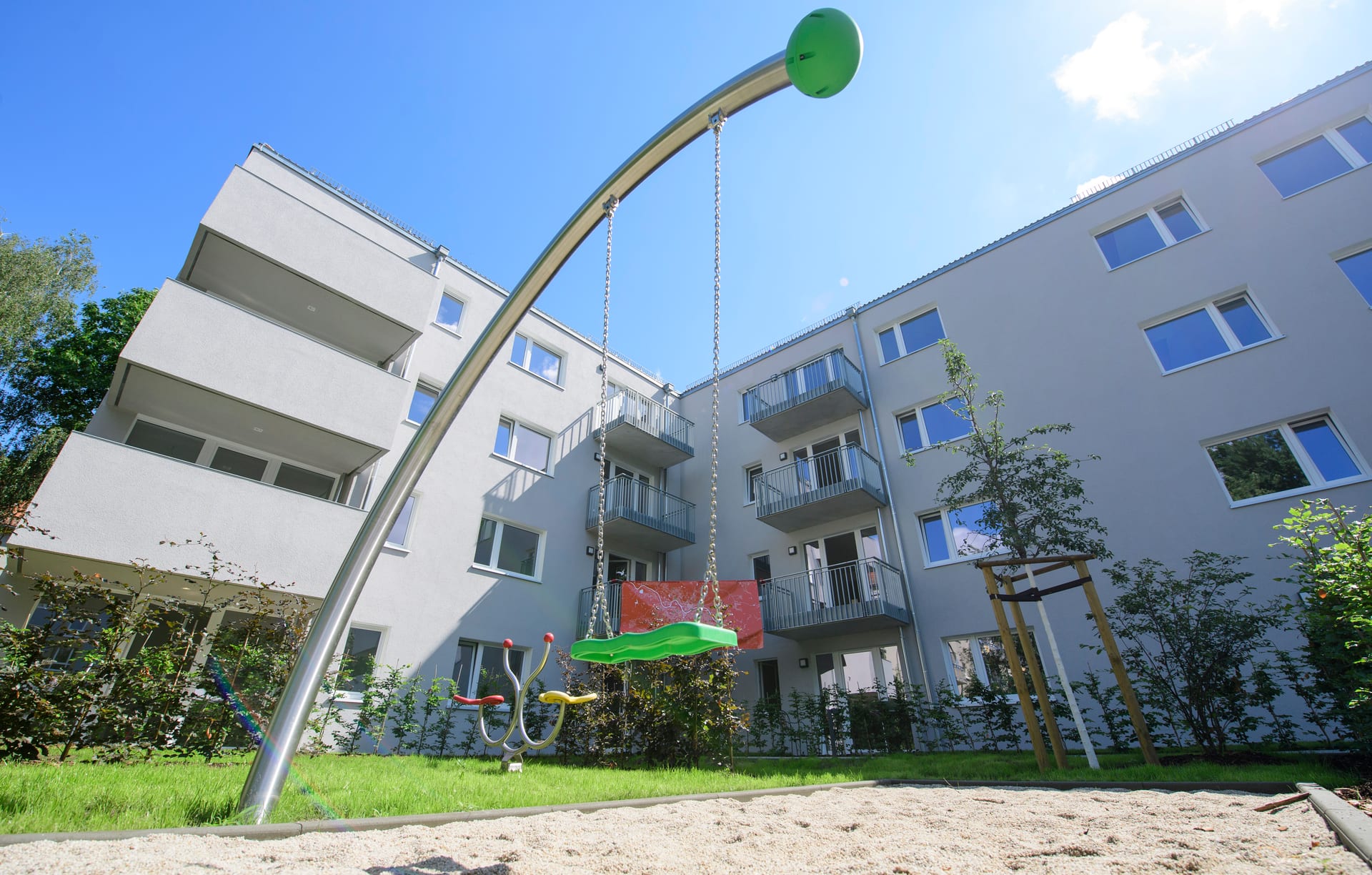
Hainbuchenstraße 2-16 in Gorbitz is the clearest case of re-planning over new build. The EWG is turning a GDR block of 180 flats, 128 of them micro-units of about 26 square metres, into 82 homes. They range from 2-room flats for older residents to 6-room family apartments. The work is part of €28.7m invested in existing stock, with the Gorbitz modernisation due by 2034. The cooperative runs about 6,000 flats in Gorbitz alone.
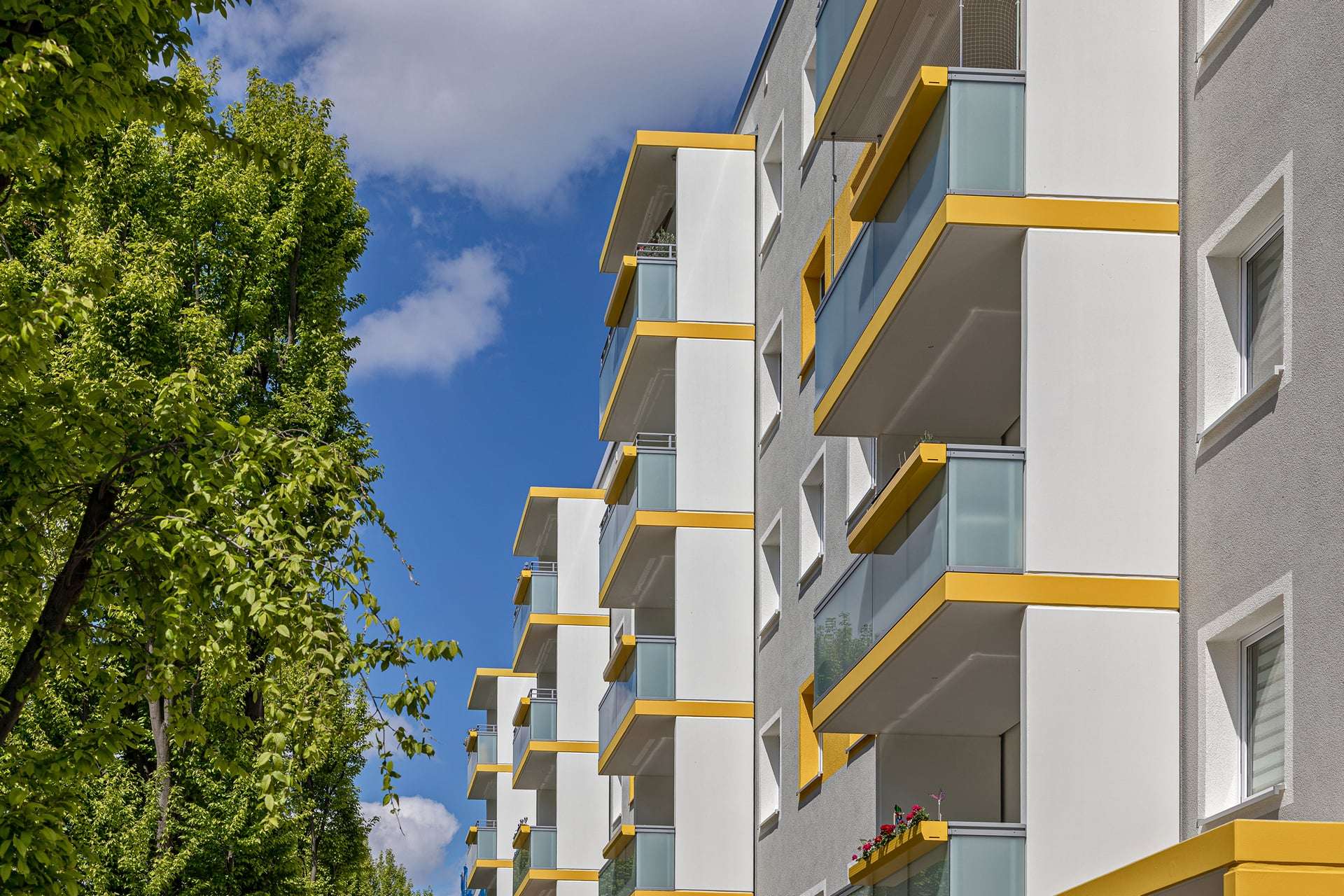
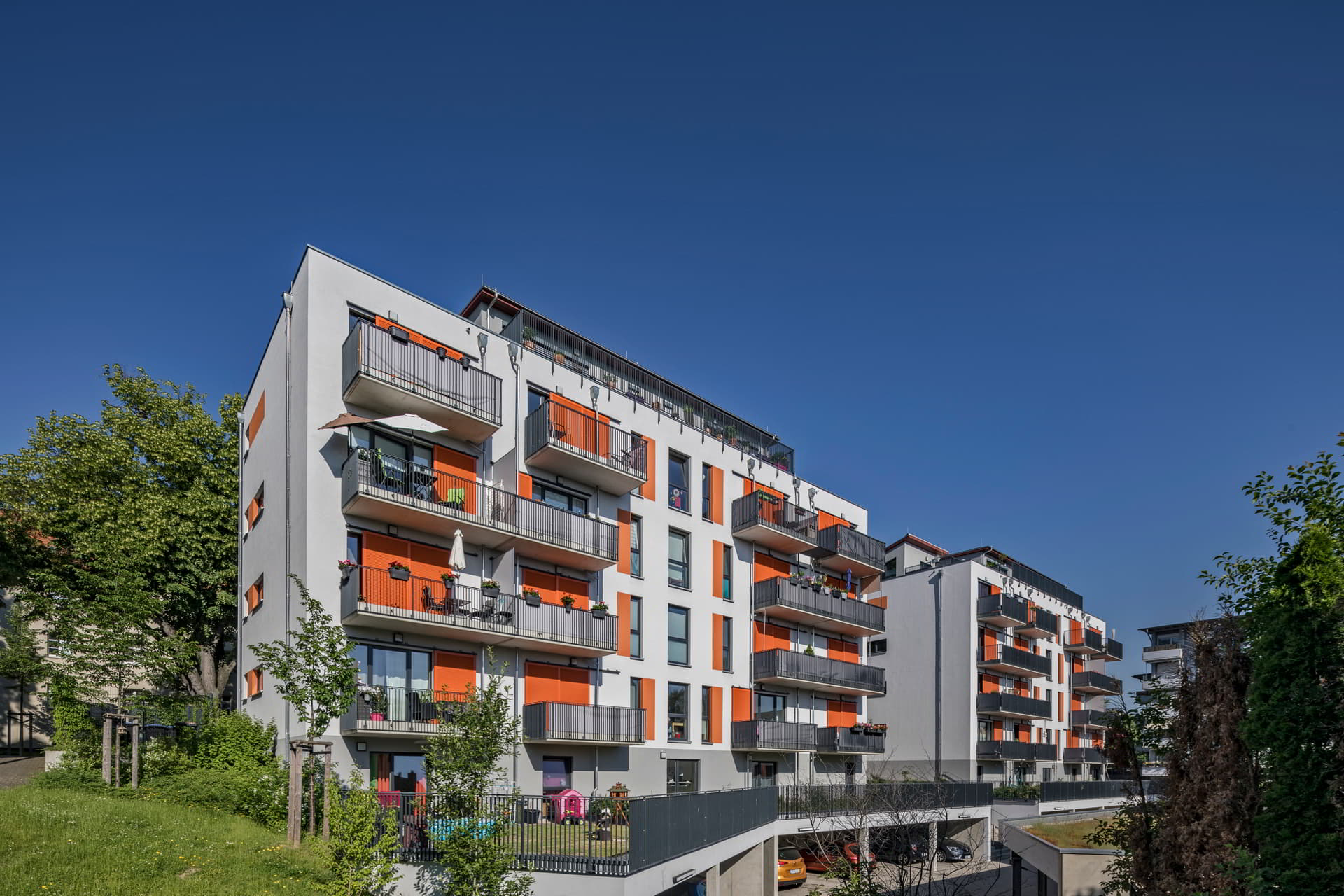
Prefabricated blocks can, by the way, be converted to be very energy-efficient, better than old buildings. Our members feel that directly in their heating costs.Am Jägerpark and the Spreewaldquartier are the municipal counterpart. They are the two Plattenbau quarters that WiD Wohnen in Dresden bought back from Vonovia. About 1,200 flats are to be brought up to current energy standards by 2031, paid for with the state retrofit grant, and bound to affordable rents in return. For tenants who lived through the WOBA sale, the change of landlord is the point. "We will not do everything better, but some things differently," said Kaufmann, who chairs the WiD's supervisory board, in the joint announcement of the handover.
Blüherpark, in the city centre, is the new-build side of the same public push. State funding covers the next phases, about 230 flats for holders of a housing-eligibility certificate. Unsubsidised flats are built alongside them so that the quarter stays socially mixed.
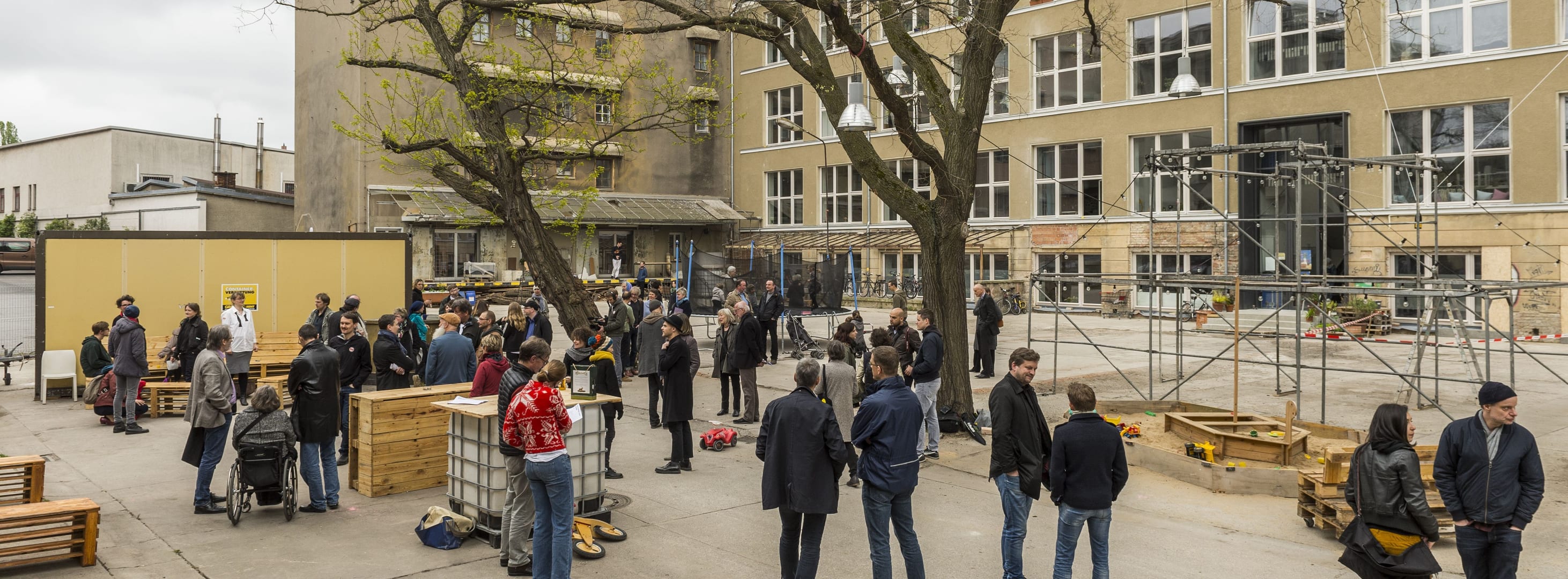
The Zentralwerk in Pieschen is Dresden's best-known adaptive reuse. The 1922 typewriter-factory extension was an arms plant in the war and a printing works until 1996. Since 2015 the ZENTRALWERK cooperative has run it on a 99-year ground lease from Stiftung trias, which holds the 7,000 square metre site. About a third of the 5,300 square metres of floor space is 22 live-work studios. The rest is studios and workshops for artists, around a ballroom that opens the site to the neighbourhood.
L85 in the Neustadt is the first house bought by WoGe Dresden eG, in 2025. It has been a communal house since 1992 and is home to 10 adults and 4 children. The purchase mixed cooperative shares, direct loans from supporters and a bank loan the group aims to replace with solidarity finance. WoGe is preparing further houses, including UEBERALL in Löbtau.
RM16 on Robert-Matzke-Straße, also in Pieschen, began as a squat in 1999. In 2014 its residents bought it together with the Mietshäuser Syndikat, and 14 people now live there at €4.48 per square metre. The Syndikat's Dresden cluster also includes Weinberg 21, a 200-year-old farmstead in Oberpoyritz bought in 2016, where 30 people live at €7.75 per square metre. These houses are small, but the Syndikat's covenant means they can never be sold back onto the market.
Gorbitz, Jägerpark and Johannstadt will decide how this story ends. A 2026 study of large housing estates in Germany's major cities asks whether such estates are the last bastion of affordable housing. Dresden's answer is to keep them and renew them rather than clear them. The city put the Frauenkirche back together from its own rubble. Its housing may be rebuilt the same way: from the blocks it already has, held by cooperatives and a municipal landlord that intend to keep them.
References
Statistics16Click on any number to see the source
Housing market
Tenure & affordability
Cooperative, social & public
Adaptive reuse & vacancy
Population & migration
From our library24
- WiD Wohnen in Dresden GmbH & Co. KG — Organisation
- Dresden: Mieten steigen um 18 Prozent – Bürger sehen Wohnen als größte Herausforderung — Knowledge
- So gefragt wie kostengünstig (Plattenbau in Dresden-Gorbitz) — Knowledge
- Neubau wird für Wohnungsgenossenschaften zum Risiko — Knowledge
- Hightech braucht Heimat: 24.000 neue Dresdner und kaum Wohnungen — Knowledge
- Kommunale Bürgerumfrage 2024 – Hauptaussagen — Knowledge
- Vonovia-Mieterhöhung in Dresden: Mieter verschicken 118 Beschwerdebriefe — Knowledge
- Wohnungsgenossenschaft Aufbau Dresden eG — Organisation
- Bezahlbares Wohnen im Freistaat Sachsen unter Druck – VSWG Jahresstatistik 2025 — Knowledge
- Sächsische Wohnungsgenossenschaft Dresden eG (SWGD) — Organisation
- Eisenbahner-Wohnungsbaugenossenschaft Dresden eG (EWG) — Organisation
- Housing co-operatives in Germany: 160 years of evolution and resilience — Knowledge
- WoGe Dresden eG — Organisation
- ZENTRALWERK Kultur- und Wohngenossenschaft Dresden eG — Organisation
- Neues Wohnen – Gemeinschaftliche Wohnformen bei Genossenschaften — Knowledge
- Verband Sächsischer Wohnungsgenossenschaften e.V. (VSWG) — Organisation
- Bündnis für bezahlbares Wohnen und Bauen – Wohnungsgenossenschaften als Partner der Kommunen — Knowledge
- Stadt sichert sich 10.000 Wohnungen – kommunale Belegungsrechte bis 2036 — Knowledge
- Bundestag: Mietpreisbremse verlängert — Knowledge
- Mieterverein Dresden und Umgebung e.V. — Organisation
- Einfacher und schneller Bauen: Hilft der Bauturbo zur Lösung der Wohnungskrise? — Knowledge
- Schriftlicher Bericht des BMWSB zum deutschlandweiten Büroleerstand — Knowledge
- Umbau statt Neubau – EWG Dresden — Knowledge
- Large Housing Estates in Germany's Major Cities: A Last Bastion of Affordable Housing? — Knowledge
Further sources26
- The reconstruction of the Frauenkirche Dresden — Stiftung Frauenkirche Dresden
- Frauenkirche, Dresden — Wikipedia
- Verkauf der WOBA Dresden GmbH — Landeshauptstadt Dresden · 2006
- Stadt sichert sich 10.000 Wohnungen — Landeshauptstadt Dresden · 2026-04-30
- Freistaat fördert sozialen Wohnungsbau in Dresden mit 21 Millionen Euro — Landeshauptstadt Dresden · 2025-07-31
- Dresden: Mieten steigen um 18 Prozent — Immobilien Aktuell Magazin · 2026-07-12
- Neubau wird für Wohnungsgenossenschaften zum Risiko — Die Sachsen · 2026-01-29
- Hightech braucht Heimat: 24.000 neue Dresdner und kaum Wohnungen — KATAPULT Sachsen · 2025-12-17
- Dresden will Bauturbo für Neubau von Wohnungen nutzen — Landeshauptstadt Dresden · 2026-01-23
- Mietpreisbremse gemäß § 556d BGB — Freistaat Sachsen · 2026
- Kommunale Bürgerumfrage 2024 – Hauptaussagen — Landeshauptstadt Dresden · 2024
- Vonovia-Mieterhöhung in Dresden: Mieter verschicken 118 Beschwerdebriefe — t-online · 2026-07-17
- WG Aufbau Dresden — Wohnungsgenossenschaft Aufbau Dresden eG
- Bezahlbares Wohnen im Freistaat Sachsen unter Druck – Jahresstatistik 2025 — VSWG / vdw Sachsen · 2026-05-28
- Gartenstadt-Gesellschaft Hellerau AG gegr. 1908 — Wikipedia
- GWG Geschichte — GWG Dresden-Ost
- Unsere SWGD-Geschichte — Sächsische Wohnungsgenossenschaft Dresden eG
- Über uns — EWG Dresden
- Besitzübergang der Grundstücke von Vonovia an die Stadt und WiD — Landeshauptstadt Dresden · 2024-03-28
- Staatsregierung beschließt Mietpreisbegrenzungsverordnung für Dresden und Leipzig — Sächsisches Staatsministerium für Infrastruktur und Landesentwicklung · 2025-12-02
- Dresdens Weg zu Treibhausgasneutralität und Versorgungssicherheit — Landeshauptstadt Dresden · 2024-02-26
- Umbau statt Neubau — EWG Dresden · 2024
- Zentralwerk Dresden — Stiftung trias
- L85 – genossenschaftlich wohnen — WoGe Dresden eG · 2025
- RM 16 Dresden — Mietshäuser Syndikat · 2021
- Weinberg 21 Dresden — Mietshäuser Syndikat · 2021