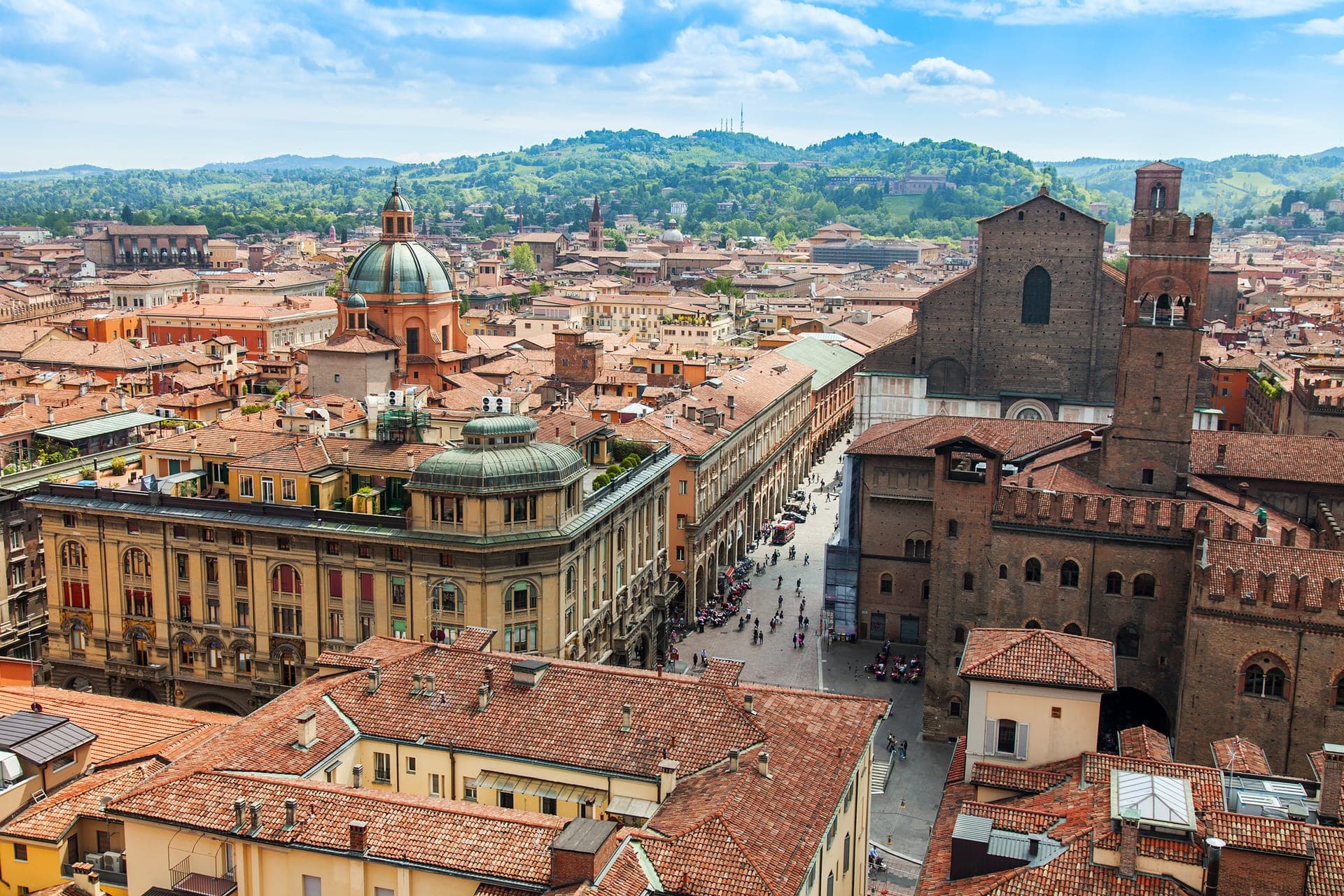
Porticoes, students and a shrinking supply of rooms
Bologna has always made room for people passing through. Its university, founded in 1088, is counted as the oldest in the Western world, and it still enrols more than 90,000 students. Its 62 km of porticoes, on the UNESCO World Heritage List since 2021, are private buildings that owe the public a covered street. That habit of shared space now meets a sharp private question: who can still afford a room under those arches?
Most households own. About 64% of Bologna's homes are owner-occupied and 30% are rented, a rental share well above the Italian average. Public housing (edilizia residenziale pubblica, or ERP: homes owned by the Comune and managed by ACER Bologna, the public housing agency) makes up 5.5%, some 10,000 dwellings. Cooperatives hold 1.5%, or 2,919 homes let permanently to their members. Private landlords supply the rest of the rental market, about 23% of homes. The remaining 6% fall into the census category 'altro titolo': homes lived in rent-free, lent by relatives or held in usufruct. Nationally that category covers 6.5% of households.
- Owners
- Owner-occupier64.0%
- Renters
- Public & non-profit rental5.5%
- Cooperative1.5%
- Private rental23.0%
- Other6.0%
- Free use / other title (altro titolo)6.0%
Social housing in Italy is a set of rules rather than a landlord. Around 7% of Bologna's homes carry one. That layer includes the ERP stock but also agreed-rent homes owned by cooperatives and private investors, so it cuts across the tenures instead of forming a slice of its own.
Where you rent decides what you pay. A cooperative member pays about €5.8/m² a month and an ERP tenant about €2/m². The average across all existing leases is €14.5/m², while a new lease costs €17.1/m². Furnished and serviced flats, priced with utilities and furniture included, reach €19.67/m². The same 70-square-metre flat that let for €860 a month in 2019 now averages €1,250.
- Public/municipal housing
- Cooperative
- All-stock median
- New contracts
- Furnished / serviced (gross)
Monthly net rent per m² by segment, from cooperative members to furnished lets.
Empty space is plentiful all the same. The 2021 census recorded 15.5% of dwellings as unoccupied, around 35,000 homes, a count that includes second homes and flats awaiting repair. Offices show a similar gap: an estimated 13.5% of office space is vacant, roughly 195,477 m² on figures scaled from national data. Short lets absorb part of the housing stock. An estimated 1,860 flats run as full-time Airbnbs, and they cluster in the historic centre, where the Santo Stefano district alone had 1,733 listings in 2024.
People keep coming. The city passed 395,446 residents at the end of 2025, with net migration of more than 3,700 in a year; 57% of newcomers were aged 15 to 34. New building has not kept pace, and Italy ranks last in Europe for new dwellings completed. Italy has no rent cap. Its main affordability tool is the canone concordato (an agreed rent set by local landlord and tenant associations in return for tax relief), and Bologna has lost around 5,000 such contracts since 2016.
Students were hit first. A single room averaged €632 a month in 2025, second only to Milan, after room prices rose 73% in four years. Salaried workers followed. A CNA analysis of tax-agency data found that rent takes 58% of a typical net salary, and hospitals now house their own staff: from October 2026, newly hired nurses at Sant'Orsola can rent a bed for €400 a month.
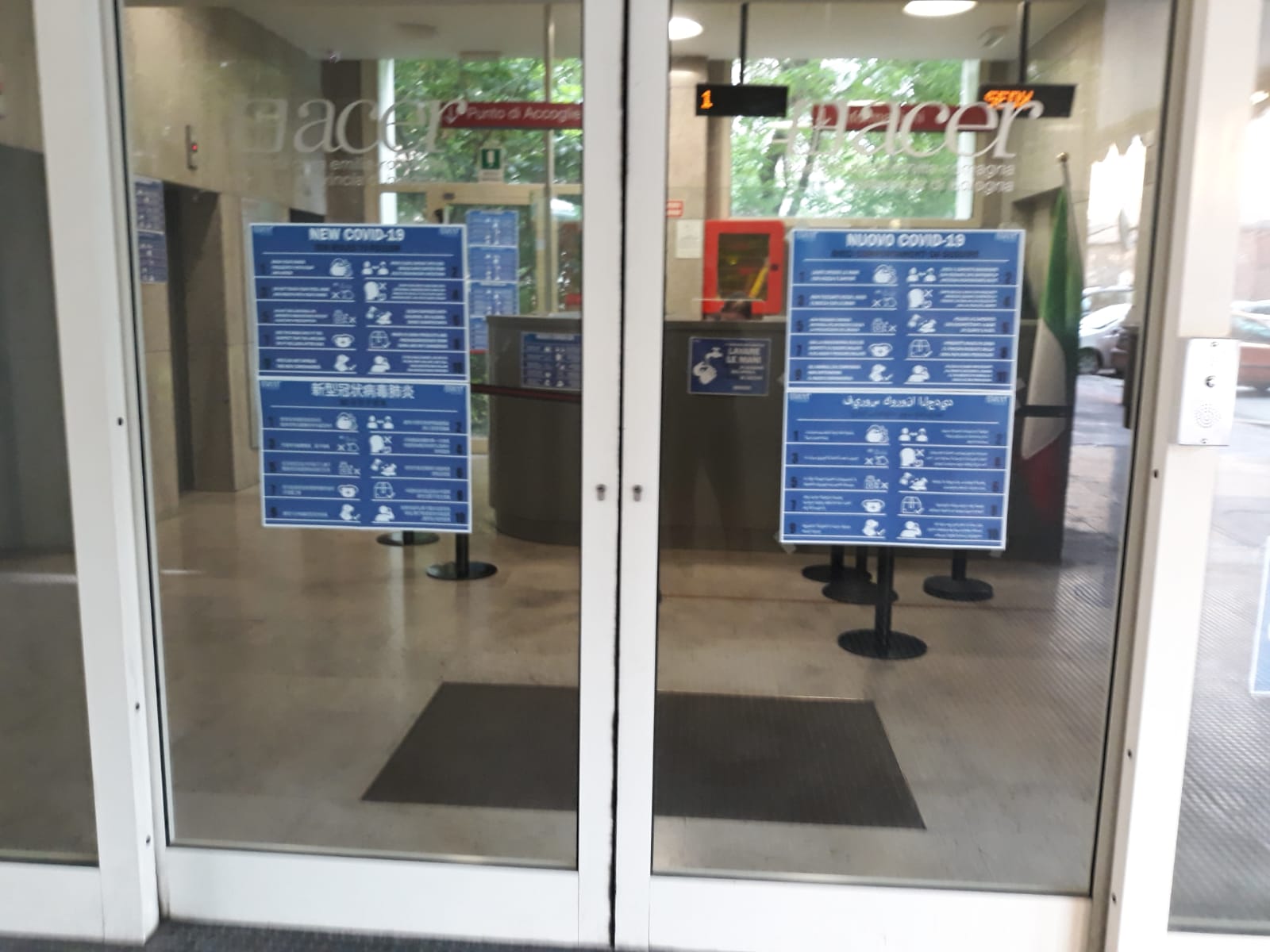
Evictions are rising. Eviction orders in the Bologna area reached 635 in 2024, up 10% on the year before. Reporting in Il Fatto Quotidiano on one Bologna eviction records Mayor Matteo Lepore's point that more orders now follow leases ending than unpaid rent. The city still ranks 4th of 107 Italian provinces for quality of life, which is why so many want to stay. Around 4,300 residents moved out to the surrounding towns in 2024 and 2025. Nationally, the Ipsos Housing Monitor finds that most Italians under 35 think a home is harder to find for their generation than it was for their parents'.
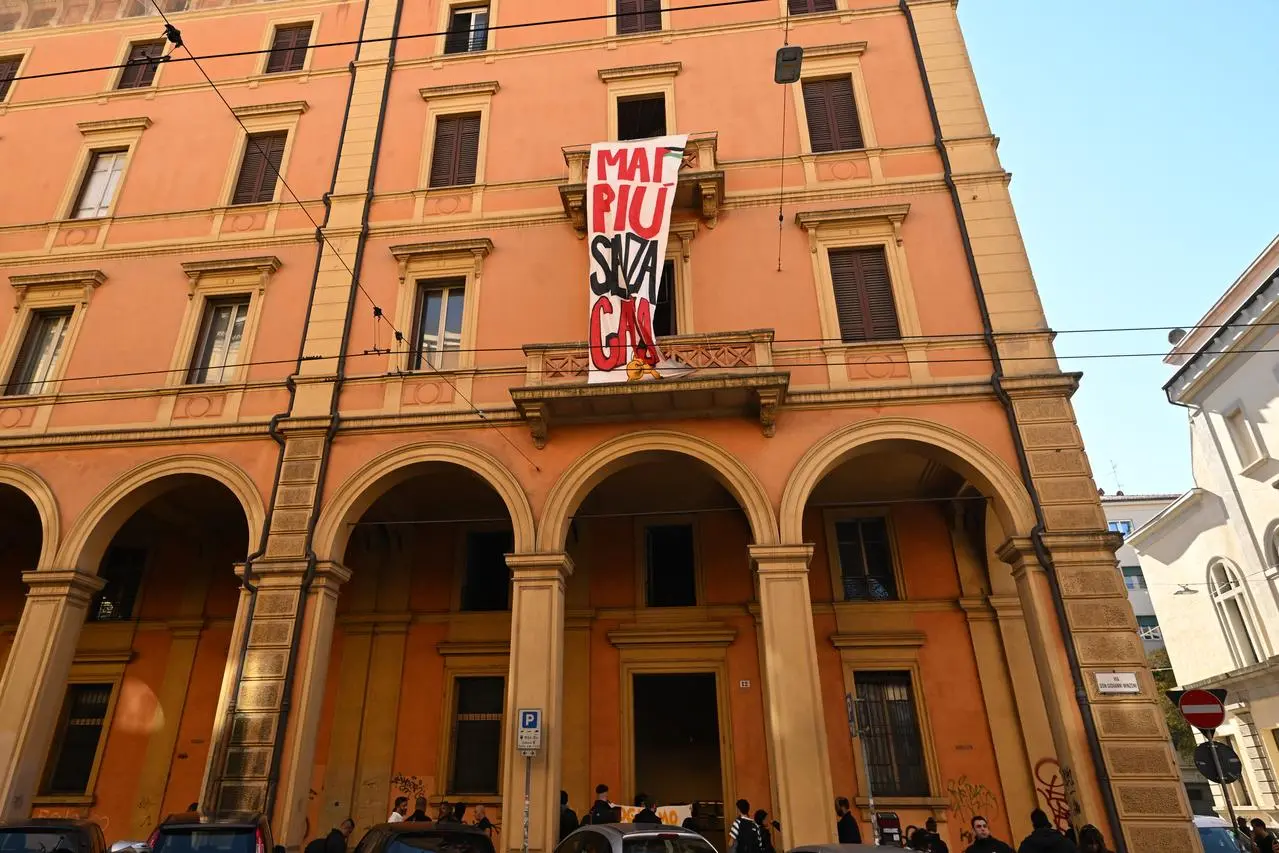
The problem of rent, and of housing in general, is no longer only a social question. It is also an economic emergency that ends up holding back growth, investment and local development.One corner of the market has barely moved: a cooperative sector that rents to its members at about a third of market prices.
Undivided ownership: a century of cooperative rent
Bologna's own cooperative form is the cooperativa a proprietà indivisa (undivided-ownership cooperative). The society owns every building, and members never buy their flat. They rent it for life at a cost-based rent. Joining Cooperativa Risanamento costs €300 once, of which €25.82 is the quota sociale (the member's share in the society's capital). Homes are offered through monthly calls, with priority going to the longest-standing members. The other Italian model, the proprietà divisa (divided-ownership) cooperative, builds homes and sells them to members at cost, after which they become ordinary private property.
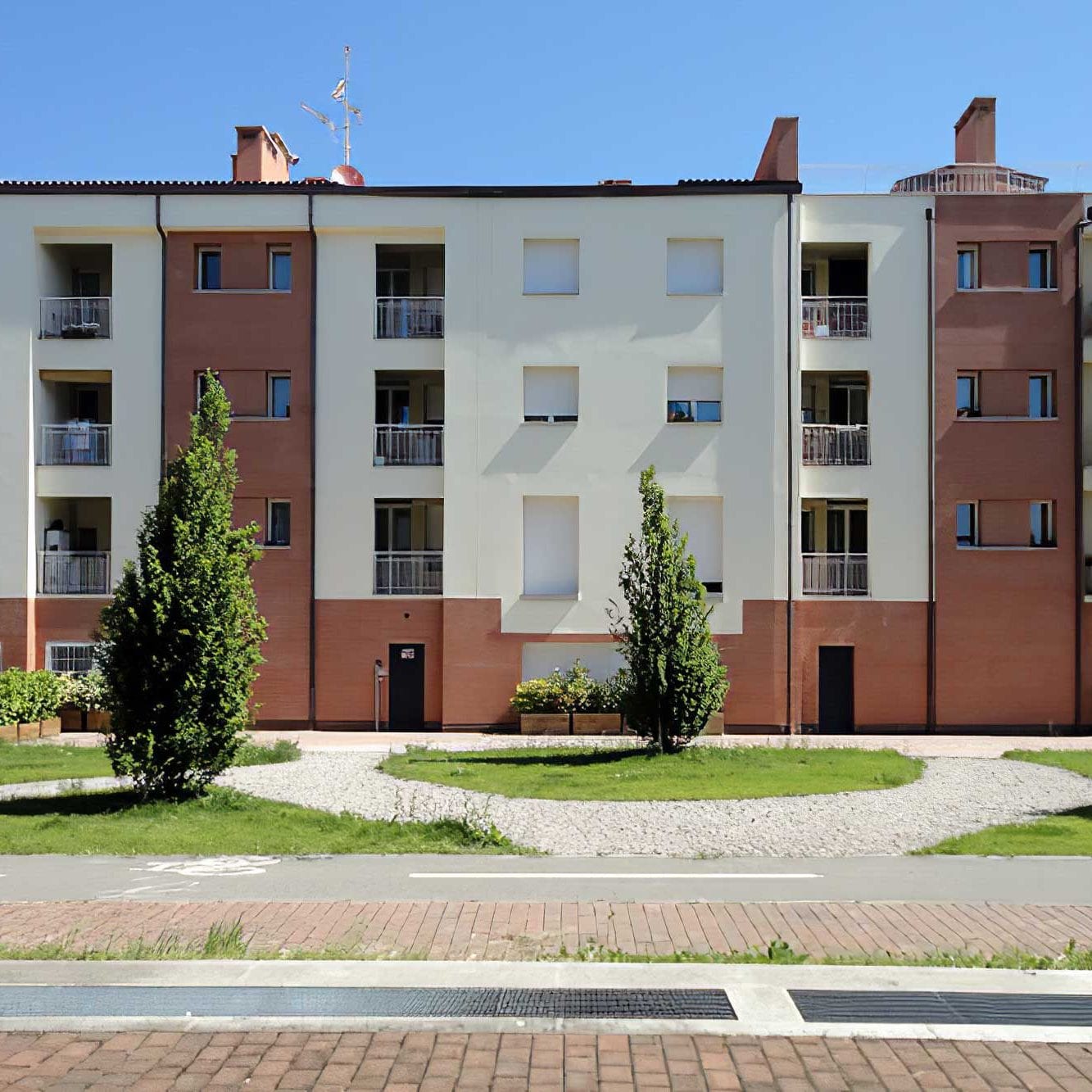
The tradition began in 1884. That year a group of liberal notables, the poet Giosuè Carducci among them, founded the Risanamento to build sound homes for workers, as the Biblioteca Salaborsa's city chronology records. Cooperativa Edificatrice Giuseppe Dozza followed in 1920 as 'La Federale', inalienable and indivisible by statute. The big expansion came in the 1960s. Law 167 of 1962 let the Comune sell land for public housing plans (PEEP, piani per l'edilizia economica e popolare) at a nominal price, and ownership cooperatives seized the chance. By the early 1980s the PEEP plans had delivered more than 16,000 homes, and the Cooperativa Murri, founded in 1963, would go on to build more than 11,000.
Today the sector falls into three groups. The two undivided-ownership societies, Risanamento and Dozza, let their city homes at an average €5.12/m², about 60% below the market. Demand far outruns supply: only about 120 homes a year come free for 18,625 members, and 66% of those waiting have looked for at least three years. Ownership cooperatives form the second group. Cooperativa Edificatrice Ansaloni, founded in 1948, reports more than 11,000 members and still builds for sale and for temporary use. The third group is small and new: publicly owned buildings turned into collaborative housing, run with resident associations and cooperative facilitators.
The three face different problems. The indivisa societies own ageing blocks with debt from past building. The Risanamento has used the Superbonus (Italy's 110% tax credit for energy retrofits) to renovate, but its homes free up only when members leave. The builders depend on land the Comune can offer. The newest projects depend on public buildings and grants. A Housing Europe review of cooperative resilience traces the same tension across Europe, between old stock that needs renewal and new members who need homes.
Bologna now treats cooperatives as partners in its housing plan. The Comune granted the Dozza a 60-year diritto di superficie (surface right, a long lease on a public building) to turn a derelict municipal block on viale Lenin into collaborative homes. In July 2026 Legacoop Bologna, the local cooperative federation, proposed a pact to the Comune for up to 1,000 new moderated-rent homes in ten years. It draws on a Bocconi SURLAB study for Legacoop that puts the city's need at 7,500 to 10,000 new social-rent homes. The proposal echoes the public-cooperative mechanisms for housing commons discussed elsewhere in Europe, in which public bodies supply land and cooperatives build and manage.
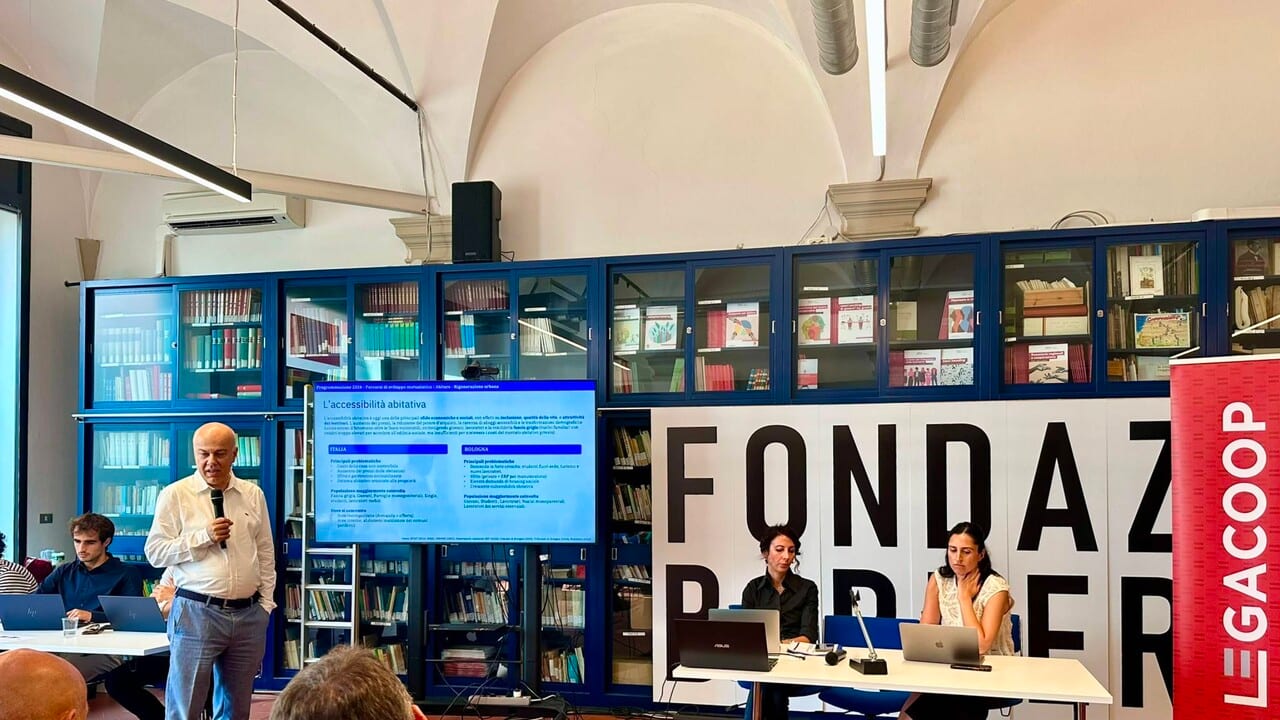
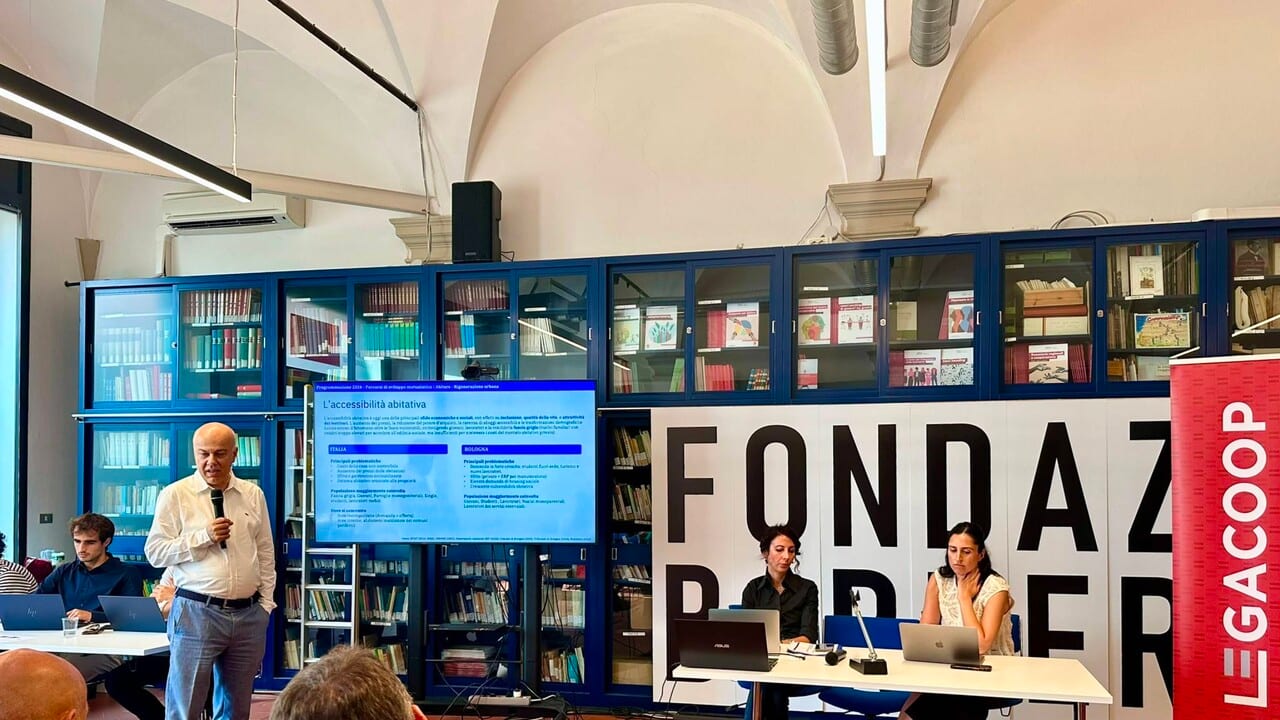
Bologna is living through a housing emergency that no longer concerns only the most fragile groups, but also workers, young people and the so-called grey middle. With the three proposals we are putting to the Comune we can build up to a thousand new moderated-rent homes in ten years, bringing cooperation to the city's side.Three tiers of government, one empty-flat problem
The city's answer is the Piano per l'abitare (housing plan), approved by the council in July 2023. It is led by Mayor Matteo Lepore and vice-mayor Emily Clancy, who holds the housing brief. The plan commits €200m to 10,000 homes by 2034, through new public building, recovery of empty flats and private partners. By April 2026 the Comune reported 1,864 public homes built or recovered, and Clancy has promised no empty ERP flats by spring 2027.
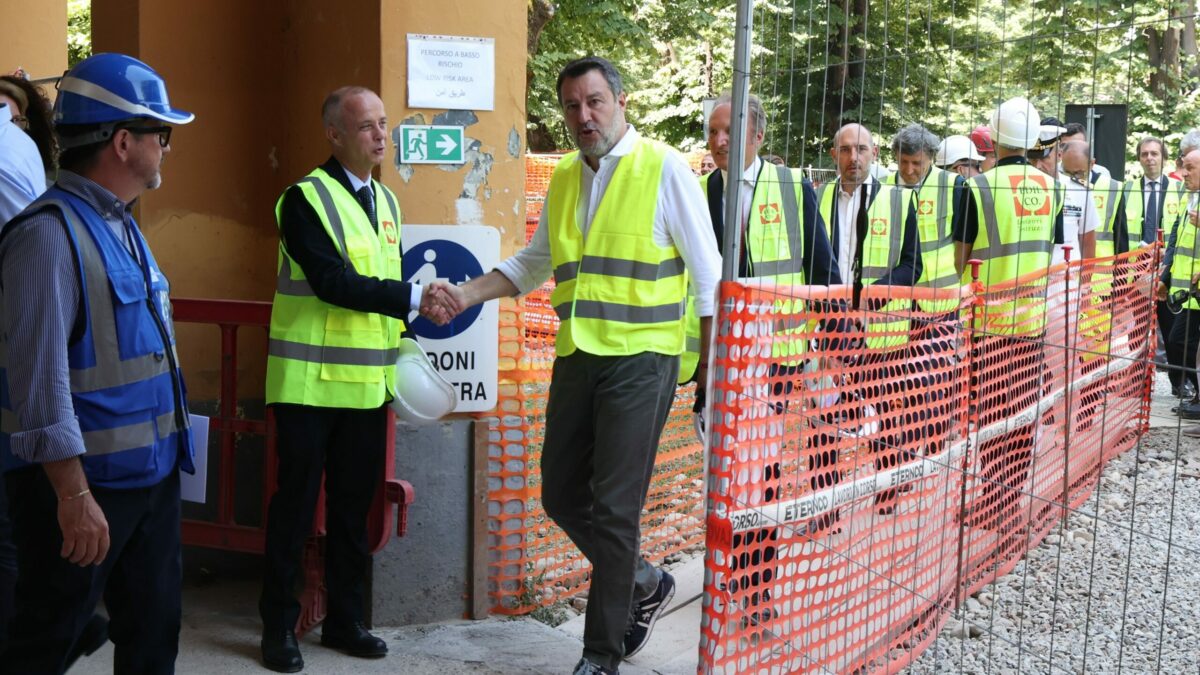
We have been able to give a home to around 4,000 people in our city, with serious economic and social fragilities, who were on the waiting list, many of them facing eviction.The other levers sit higher up. Emilia-Romagna writes the planning law and funds public housing through ACER. On 24 September 2026 the Region launched a €300m plan, part-financed by the European Investment Bank, to recover up to 3,500 public and social homes. Rome sets tenancy law and tax relief. After a Council of Ministers communiqué in April, the Meloni government's Piano Casa Italia became law in July 2026. It provides €970m for 2026-2030 to refurbish empty public homes and targets 100,000 affordable homes in ten years. Tenant unions called it inadequate to the emergency. Italy's national rent-support fund had received nothing in the 2023 budget.
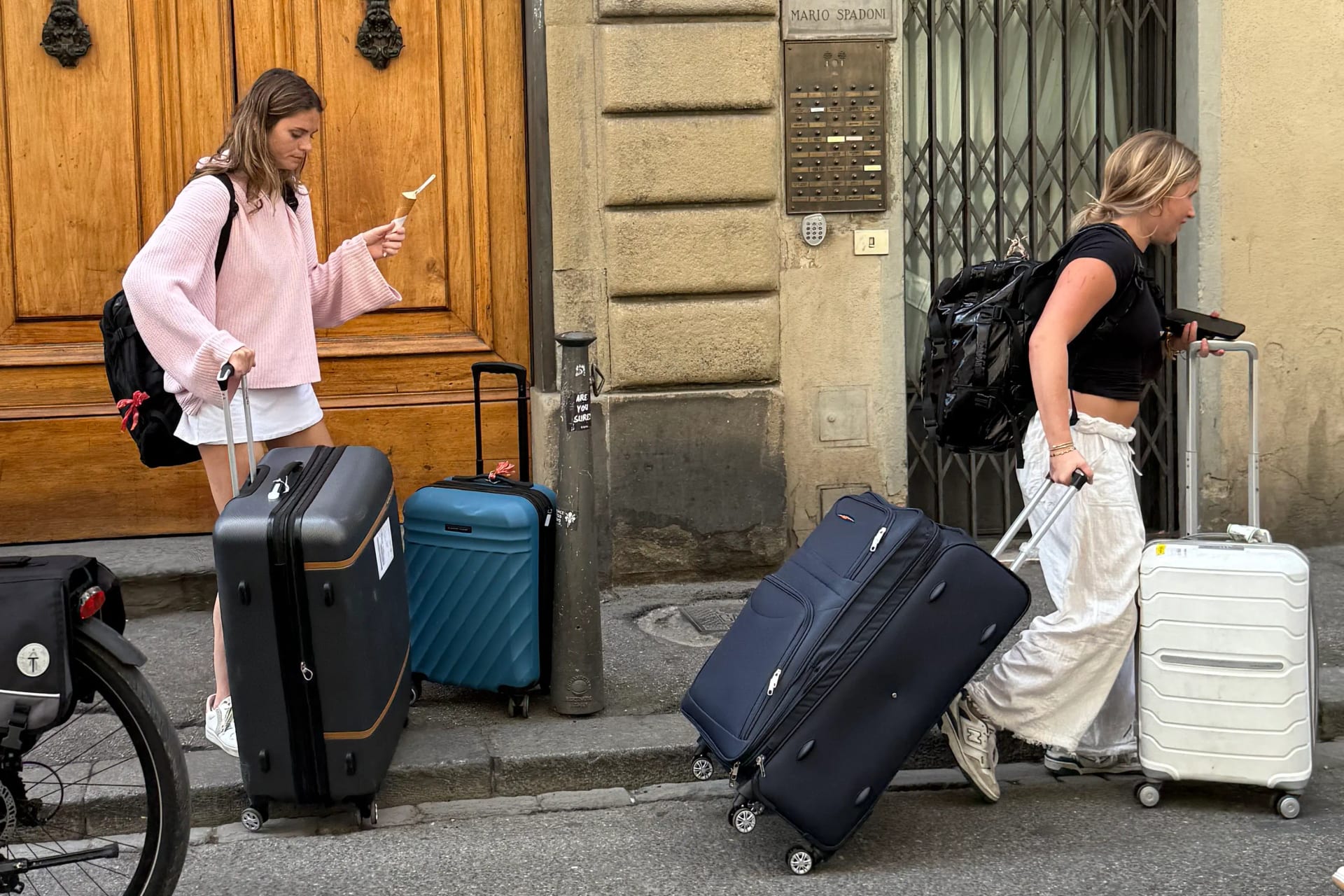
Bologna's own instruments target the empty flat. Fondazione Abitare Bologna, set up by the Comune, runs the affitto civico (civic rent) scheme. It guarantees landlords up to 12 months of rent and pays for repairs, so that empty private homes are let at agreed rents to middle-income tenants. The Comune counts about 14,000 empty private homes, and Lepore has set the foundation a goal of 400 such lets. Public buildings are the second route. The Comune's surface-right lease to the Dozza and its entries to the Reinventing Cities competition open public land to cooperative and mixed projects. At the former Perotti barracks, a private plan brings 199 homes, 39% of them social housing.
Short lets are the sharpest fight. The second variant of the PUG (piano urbanistico generale, the city's master plan), adopted in July 2026, creates zones in the historic centre where the city can limit new holiday lets. An earlier limit was annulled in December 2025 by the Consiglio di Stato (Italy's highest administrative court) on a procedural point, and the city has vowed to try again. A European Parliament study of short-term rental regulation sets out how far cities can go under EU law. Landlords see the Bologna rules differently, as the Confedilizia response reported in Il Resto del Carlino shows.
The first to push up house prices in Bologna is Mayor Lepore because, besides applying the maximum tax on second homes, he has raised the tourist tax from 5 to 7 euros.Climate goals run through the same buildings. Bologna holds the EU Mission label for climate-neutral cities and aims at net-zero emissions by 2030. The Comune and ACER used the Superbonus to retrofit public housing, mobilising more than €50m. Emilia-Romagna's planning law limits new urbanisation to 3% of urbanised land until 2050, which pushes new homes into existing buildings and brownfield sites. A Housing Europe report on climate adaptation in public, cooperative and social housing places that work with public and cooperative landlords, who own buildings for the long term.
- 1884[source]
Risanamento founded
Liberal notables found the workers' housing cooperative that still lets homes on undivided ownership.
- 1963[source]
PEEP plans begin
Law 167/1962 lets the Comune sell land cheaply for public housing plans; cooperatives become the main builders.
- 2017-09[source]
Porto 15 opens
Italy's first public co-housing for under-35s opens in a building owned by ASP Città di Bologna.
- 2018-01[source]
Regional land-take cap in force
Emilia-Romagna regional law 24/2017 limits new urbanisation to 3% of urbanised land until 2050.
- 2023-07[source]
Piano per l'abitare approved
The city council backs a €200m plan for 10,000 homes in ten years.
- 2024-10[source]
EU Mission label for climate neutrality
Bologna receives the EU Mission label for its Climate City Contract, aiming at net-zero emissions by 2030.
- 2025-12[source]
Short-let rule annulled on procedure
The Consiglio di Stato annuls the plan's 2024 limits on short lets in the historic centre over a procedural flaw.
- 2026-07[source]
Piano Casa Italia becomes law
Parliament converts the national housing decree, with €970m for 2026-2030 to refurbish empty public homes.
- 2026-07[source]
Second planning variant adopted
The council adopts the PUG variant creating protected-habitability zones in the city centre and a short-let regulation.
- 2026-09[source]
Regional recovery plan launched
Emilia-Romagna commits €300m, part from the EIB, to recover up to 3,500 public and social homes.
- 2027 (target)[source]
Zero empty public homes
The vice-mayor's target date for having no vacant ERP flats in the city.
- 2030 (target)[source]
Climate-neutral city
Net-zero emissions target under the Climate City Contract.
- 2034 (target)[source]
Piano per l'abitare completed
Deadline for the 10,000 homes of the municipal housing plan.
- 2050 (target)[source]
End of net land take
The regional planning law caps urbanisation until 2050.
Shared roofs on public land: Bologna's collaborative experiments
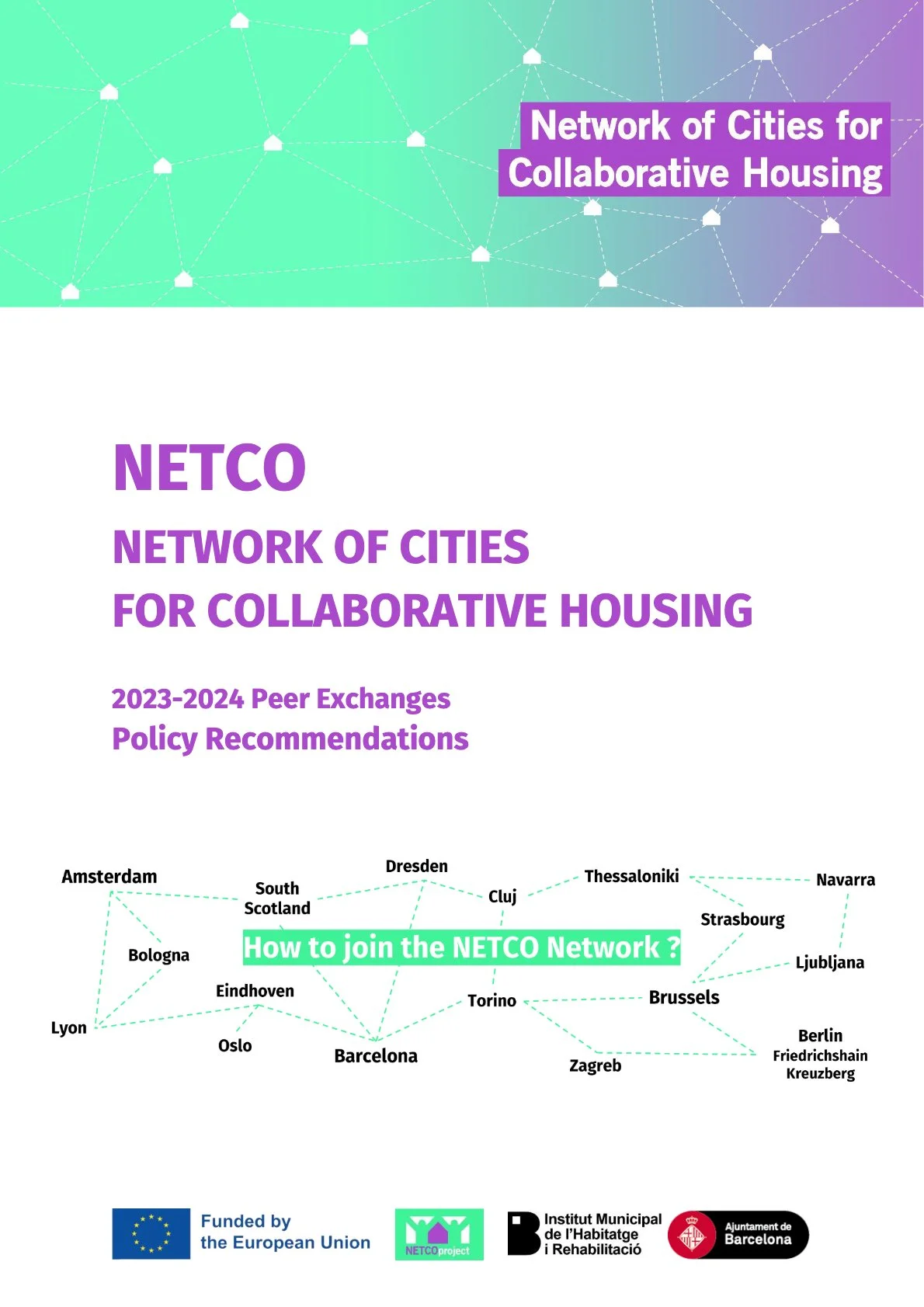
Porto 15 opened in 2017 as Italy's first public co-housing for under-35s. The building, owned by ASP Città di Bologna, holds 18 flats let at €290 to €390 a month on agreed-rent leases. Residents share a common room and garden and run them as an association, coached by the cooperative SuMisura. The NETCO network of cities for collaborative housing holds it up as a model other municipalities can copy.
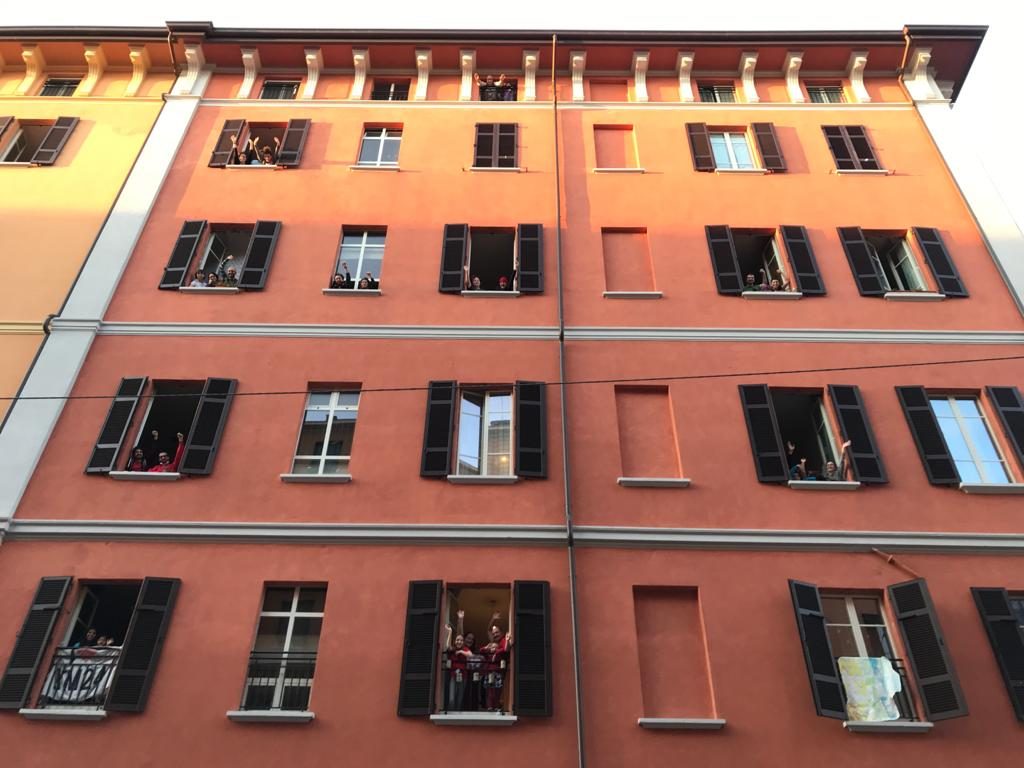
Salus Space turned the derelict Villa Salus clinic into intercultural housing. The EU's Urban Innovative Actions programme put €5m into it, and the Comune co-designed it with 17 local organisations. Its 15 flats sit beside a hostel, a restaurant, workshops and gardens, and residents sign a shared charter of values.
Cohousing Fioravanti in the Bolognina district is the newest public example. The €4.6m project houses 11 households chosen by public call, at average rents of €420. It is the first cohousing run by Fondazione Abitare Bologna.
Cooperativa Dozza's viale Lenin project shows how an old rental cooperative can take on a new form. A municipal building left unused for over 20 years will become about 10 collaborative homes, kept as social housing for at least 20 years. The Region's Social Housing 2023 grant pays part of the cost, and the Comune keeps the land under the 60-year surface right.
Bertalia-Lazzaretto is the plan's largest public new-build. The Navile district scheme will bring about 236 homes, around 119 of them in a public student residence, with an energy community shared by residents.
Green Soul at the former Ravone-Prati rail yard won the Reinventing Cities competition in 2024. It plans some 31,000 m² of housing, including affordable homes for young people, around 43,000 m² of public park and 600 new trees.
Fairbnb.coop answers the short-let question from inside the cooperative movement. Founded in Bologna in 2018, the platform gives 50% of its booking fee to community projects in the places where guests stay.

References
Statistics11Click on any number to see the source
Housing market
Cooperative, social & public
Adaptive reuse & vacancy
Population & migration
From our library21
- ACER Bologna — Organisation
- Housing crisis in Europe: Italy ranks last in new dwellings completed — Knowledge
- Sfratti a Bologna, Lepore: lo Stato non mette risorse per l'emergenza abitativa — Knowledge
- Prezzi delle case, caro affitti e le sfide per i giovani in Italia: il nuovo Ipsos Housing Monitor — Knowledge
- Cooperativa Risanamento — Organisation
- Cooperativa Edificatrice Giuseppe Dozza — Organisation
- Cooperativa Edificatrice Ansaloni — Organisation
- Housing Cooperatives in Europe - Resilience and Adaption to Changing Need — Knowledge
- Legacoop Bologna — Organisation
- Legacoop propone patto al Comune di Bologna: mille alloggi calmierati — Knowledge
- Emergenza casa: dalla ricerca Legacoop Bologna – SURLAB Bocconi cinque leve per l'accessibilità abitativa — Knowledge
- Public-cooperative policy mechanisms for housing commons — Knowledge
- Piano Casa: comunicato del Consiglio dei Ministri n. 173 — Knowledge
- Il Piano Casa è legge con la fiducia. Salvini: 'Ora si deve correre'. Le organizzazioni degli inquilini: 'Inadeguato all'emergenza' — Knowledge
- Fondazione Abitare Bologna — Organisation
- The regulatory aspects of short-term rentals in the EU — Knowledge
- Affitti brevi, Confedilizia pronta al ricorso al Tar — Knowledge
- Climate adaptation in public, cooperative, and social housing in Europe — Knowledge
- Porto 15 — Project
- NETCO Network of Cities for Collaborative Housing - 2023-2024 Peer Exchanges Policy Recommendations — Knowledge
- Fairbnb.coop — Organisation
Further sources18
- Le coop a proprietà indivisa a Bologna (cooAbita survey) — Cooperativa Risanamento / Legacoop Bologna · 2023-12-14
- Bologna quarta città in Italia per costo degli affitti — Gazzetta di Bologna · 2026-06-08
- Impennata di sfratti a Bologna: 635 in un anno — InCronaca, Università di Bologna · 2025-11-04
- Bologna continua a crescere e supera i 395.000 abitanti — Comune di Bologna · 2026-07-09
- Piano per l'abitare: che cos'è — Comune di Bologna
- La vicesindaca Clancy promette: "Sfitti zero entro la primavera 2027" — Il Resto del Carlino · 2026-04-07
- Casa, al via il piano della Regione per recuperare fino a 3.500 alloggi — Regione Emilia-Romagna · 2026-09-24
- Piano Casa 2026: 100mila alloggi in 10 anni — Edilportale · 2026-07-06
- Fondazione Abitare Bologna: dal mercato libero all'affitto civico — Comune di Bologna · 2025-12-02
- Approvata la seconda variante al Piano urbanistico generale — La Voce di Bologna · 2026-07-31
- Affitti brevi, il CdS annulla le norme del PUG di Bologna — Diritto.it · 2025-12-30
- Consumo di suolo in Emilia-Romagna — Regione Emilia-Romagna · 2023-12-16
- Missione Clima: Bologna premiata con il Mission Label europeo — Comune di Bologna · 2024-10
- Porto15 inaugurato, il primo co-housing pubblico dedicato agli under 35 — Comune di Bologna · 2017-09
- Cohousing Fioravanti inaugurato — Comune di Bologna · 2025-12-20
- Reinventing Cities allo Scalo Ravone-Prati — Comune di Bologna · 2024-09-27
- Legacoop propone patto al Comune di Bologna: mille alloggi calmierati — ANSA · 2026-07-15
- Abitazioni occupate, anni 2021-2023 — ISTAT · 2026-02