AI-Generated Summary
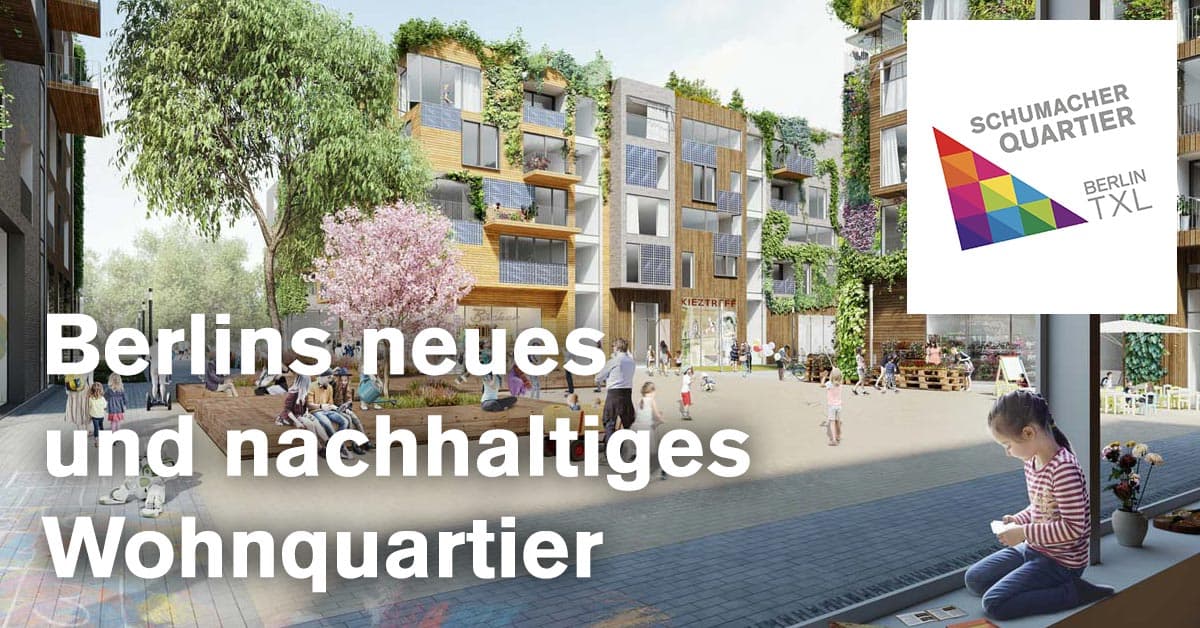
One of Europe's most ambitious sustainable urban development projects is taking shape in Berlin: the Schumacher Quartier. Located on the grounds of the former Tegel Airport, this innovative district aims to house approximately 10,000 residents in a climate-neutral environment. The Quartier distinguishes itself through its extensive use of timber construction, positioning it as one of the continent's largest timber-built neighbourhoods.
Central to the project's sustainability goals is the integration of smart technologies. These include smart energy grids designed to optimise energy distribution and reduce reliance on traditional sources. Furthermore, a comprehensive rainwater management system contributes to water conservation, while shared mobility hubs promote sustainable transportation options. Digital building management systems are implemented to enhance efficiency and optimise resource use across the entire district. Building Information Modelling (BIM) and other advanced digital planning tools facilitate coordination across multiple construction sites, streamlining the complex process of erecting timber structures. The Schumacher Quartier serves as a model for future smart city developments, demonstrating how innovative technologies and sustainable construction methods can be integrated to create resilient, liveable, and environmentally responsible urban spaces, offering valuable lessons for similar projects across Europe seeking to achieve climate neutrality and enhance quality of life.