AI-Generated Summary
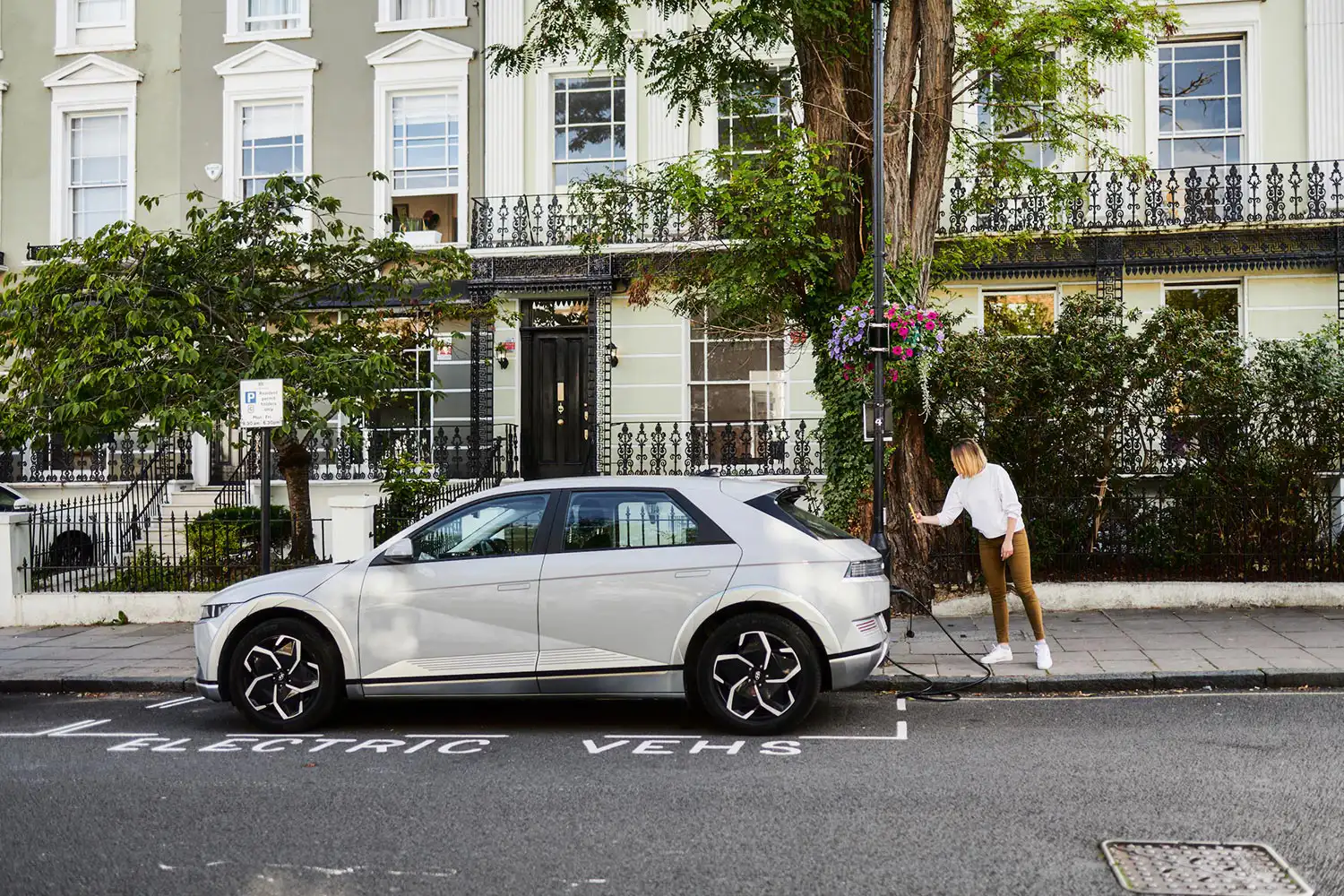
London's Electric Vehicle Infrastructure (LEVI) strategy is deploying thousands of charge points across the capital, using advanced data analytics and artificial intelligence to optimise placement, manage energy grid impacts and ensure equitable access to charging facilities across all thirty-three London boroughs. The programme supports the city's ambitious 2030 zero-emission zone targets by removing one of the primary barriers to electric vehicle adoption: the availability of convenient, reliable charging infrastructure, particularly for residents without private driveways or garages. AI-powered demand modelling analyses population density, vehicle registration data, travel patterns, existing charging utilisation and planned development sites to identify optimal locations for new charge points, ensuring that investment delivers maximum impact and coverage. Smart grid integration is a central feature of the strategy, with intelligent load management systems that balance charging demand against available grid capacity, shifting non-urgent charging sessions to off-peak periods when renewable energy generation is highest and electricity prices are lowest. Innovative lamp post charging solutions convert existing street furniture into residential charging points, providing affordable overnight charging for on-street parkers without requiring expensive civil engineering works. Strategic rapid charging hubs at major transport nodes, retail destinations and fleet depots serve drivers who need fast top-ups during their journeys. The programme also addresses digital inclusion by ensuring that all charge points accept contactless payment alongside app-based systems, preventing technology barriers from excluding less digitally confident users. London's LEVI strategy demonstrates how data-driven infrastructure planning, smart energy management and inclusive design principles can accelerate the transition to zero-emission urban transport while maintaining grid stability and ensuring that all communities benefit from the shift to electric mobility.