AI-Generated Summary
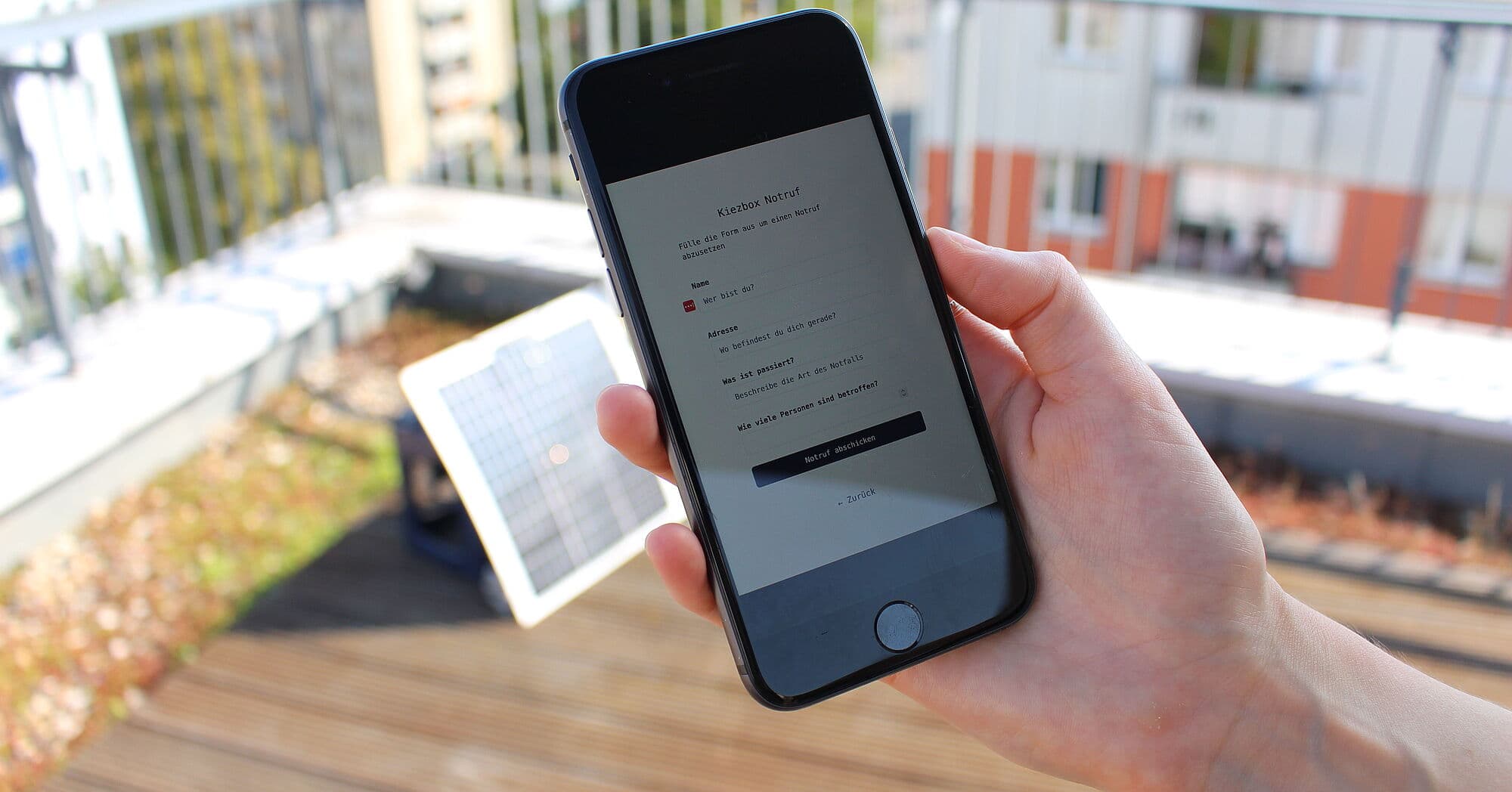
Kiezbox 2.0 is a decentralised mesh network project developed by CityLAB Berlin to maintain local communication capabilities during infrastructure failures, natural disasters or other emergency situations that disrupt conventional internet and mobile connectivity. The system consists of solar-powered mesh network nodes that can be deployed across neighbourhoods to create autonomous, self-healing communication networks independent of centralised internet infrastructure. Each node communicates with neighbouring nodes using low-power radio technology, forming a resilient web that automatically routes messages around failed links, ensuring that local information sharing continues even when the broader telecommunications grid is compromised. The project addresses a critical gap in urban resilience planning: the growing dependence of modern cities on digital communication infrastructure that can fail precisely when it is most needed. During emergencies such as severe storms, flooding or extended power outages, Kiezbox nodes enable residents to share safety information, coordinate mutual aid and access critical updates from local authorities through a simple web interface accessible from any smartphone or laptop. Beyond emergency preparedness, the project explores how decentralised communication infrastructure can strengthen neighbourhood cohesion and empower local communities with tools for autonomous information sharing during normal times. Kiezbox 2.0 builds on the lessons of its predecessor, incorporating improved hardware reliability, extended battery life, greater range and a more intuitive user interface designed for accessibility across age groups and technical skill levels. The project also contributes to broader research on community resilience and self-organised urban systems, generating insights applicable to cities across Europe facing similar challenges of infrastructure vulnerability and the need for robust, citizen-centred emergency communication solutions.