AI-Generated Summary
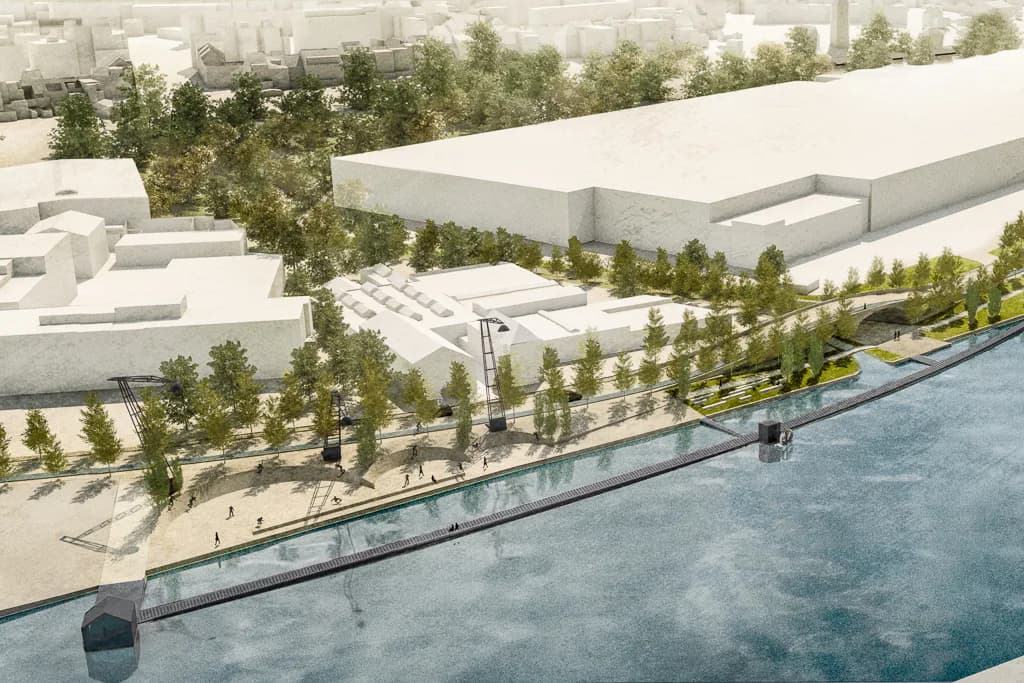
The Kanal district regeneration is transforming Brussels' historic canal zone from a declining industrial area into a vibrant mixed-use district with smart infrastructure integrated from the earliest planning stages. The flagship element of the project is the conversion of a former Citroën factory into the Kanal Centre Pompidou, a major contemporary art museum that serves as a cultural anchor for the neighbourhood's renewal. Surrounding the museum, thousands of new residences, offices and public spaces are being developed with smart building technologies embedded as standard, including IoT-enabled building management systems that optimise energy consumption, indoor air quality and occupant comfort. A district-level smart energy network connects buildings through shared heating and cooling loops, managed by intelligent grid systems that balance supply and demand across the neighbourhood in real time. Flood-resilient design incorporating smart water management sensors addresses the area's proximity to the canal, automatically adjusting drainage and retention systems based on weather forecasts and real-time water level data. Smart mobility hubs replace traditional private parking facilities, offering shared vehicles, cargo bikes and public transport connections that reduce car dependency among new residents. Public spaces throughout the district feature environmental monitoring sensors that track air quality, noise levels and microclimate conditions, informing ongoing management decisions. Community digital platforms enable resident engagement in neighbourhood governance, from reporting maintenance issues to participating in planning consultations. The Kanal regeneration demonstrates how large-scale urban renewal projects can embed smart city principles from conception, creating digitally native neighbourhoods that integrate technology seamlessly into the fabric of everyday urban life in the Brussels Capital Region.