AI-Generated Summary
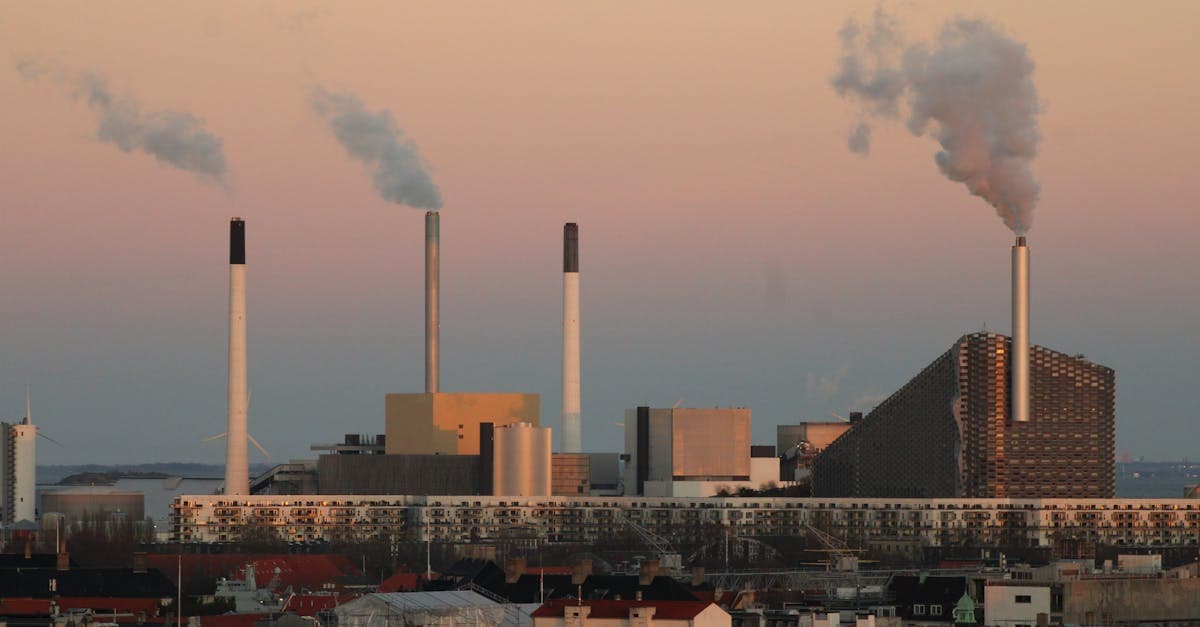
CopenHill, officially known as Amager Bakke or Amager Resource Centre, is a landmark waste-to-energy plant in Copenhagen designed by the internationally renowned architecture firm BIG (Bjarke Ingels Group). The facility converts approximately 440,000 tonnes of non-recyclable waste annually into clean energy, supplying district heating to 160,000 households and electricity to 80,000 homes, while simultaneously serving as one of the city's most popular public recreation destinations — with a ski slope, the world's tallest artificial climbing wall at 85 metres, hiking and running trails, and a rooftop bar on its exterior.
The plant's advanced flue gas cleaning technology removes 99.5 per cent of pollutants from emissions, making it one of the cleanest waste-to-energy facilities in the world. AI-optimised combustion processes maximise energy extraction from waste while minimising environmental impact. The facility is designed to be carbon capture-ready, allowing for future retrofit with carbon capture and storage technology as it becomes commercially viable.
CopenHill exemplifies Copenhagen's distinctive approach to urban infrastructure — the conviction that essential public facilities should not merely be functional but should actively enhance the quality of urban life. By combining industrial waste processing with world-class recreational amenities, the project transforms what would traditionally be an unwelcome neighbour into a beloved city landmark and tourist attraction.
The project has received numerous international architecture and sustainability awards and has become a symbol of Copenhagen's broader philosophy that environmental sustainability and urban enjoyment are not competing priorities but complementary goals. CopenHill demonstrates that with ambitious design thinking, cities can create infrastructure that addresses critical environmental challenges while simultaneously generating public value, community pride, and international recognition.