AI-Generated Summary
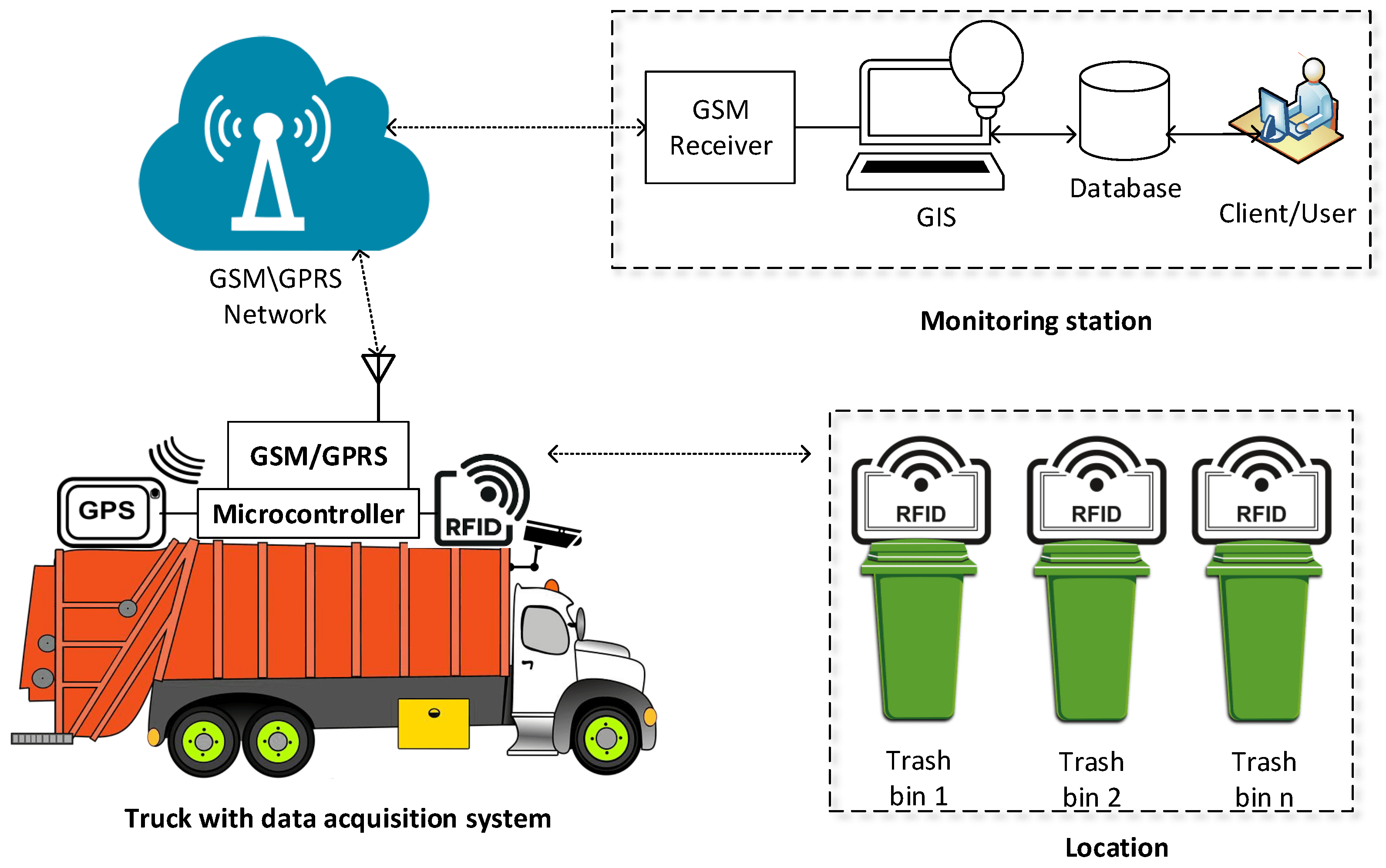
BSR (Berliner Stadtreinigungsbetriebe), Berlin's municipal waste management company, has developed an intelligent waste management system that equips the city's public waste bins and recycling containers with IoT fill-level sensors connected via LoRaWAN (Long Range Wide Area Network). This technology enables BSR to shift from fixed-schedule waste collection to a dynamic, demand-driven model that responds to actual bin conditions in real time.
At the heart of the system is AI-optimised routing software that continuously analyses fill-level data from sensors across the city and dynamically plans the most efficient collection routes for BSR's fleet. By dispatching trucks only where and when collection is genuinely needed, the system reduces unnecessary journeys by up to 30 per cent compared to traditional fixed-route schedules. This translates directly into lower fuel consumption, reduced carbon emissions, less noise pollution from heavy vehicles, and significant operational cost savings.
The sensors also provide valuable data on waste generation patterns across different neighbourhoods, times of day, and seasons. BSR uses this intelligence to inform strategic decisions about bin placement, container sizing, and service frequency, ensuring that resources are allocated where they deliver the greatest impact on street cleanliness and resident satisfaction.
The project is closely aligned with Berlin's broader sustainability and digitalisation strategies. By demonstrating how IoT and AI can transform a traditionally analogue municipal service, BSR Smart Waste serves as a proof of concept for data-driven operations across other city services. The LoRaWAN connectivity infrastructure deployed for waste monitoring can also support other smart city sensor applications, creating shared value beyond the waste management domain.
BSR's intelligent waste management initiative has attracted interest from other German and European cities seeking to modernise their waste logistics, positioning Berlin as a reference case for how established municipal utilities can harness digital technology to improve service quality, reduce environmental impact, and lower costs.