AI-Generated Summary
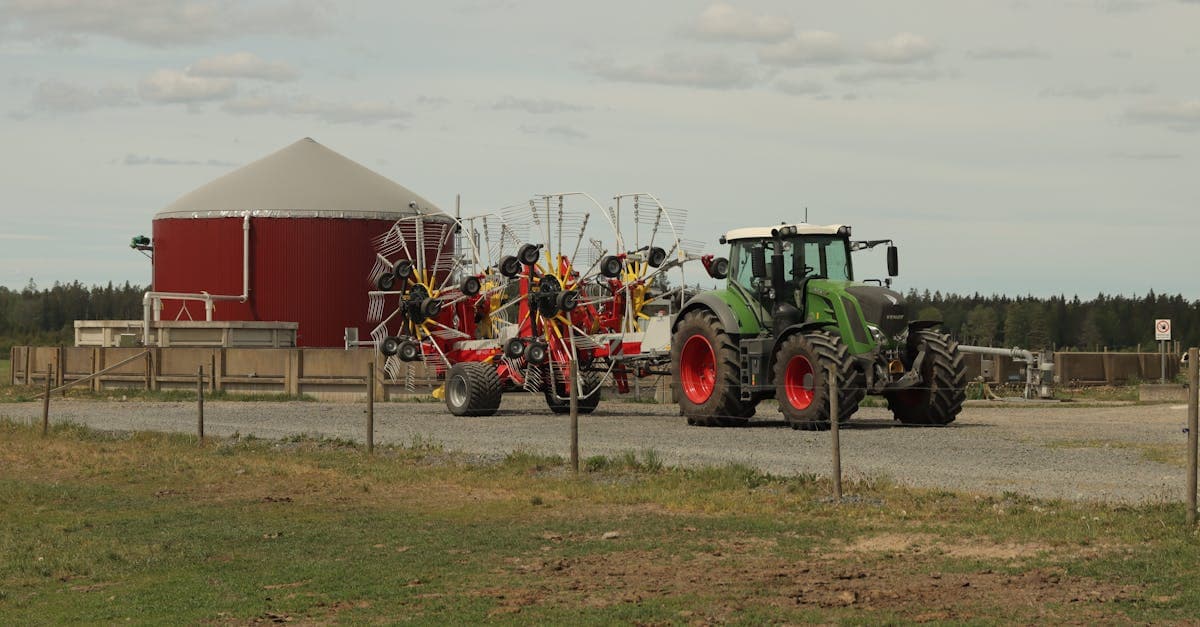
The Biogasanlage der BSR Ruhleben is a biogas production facility operated by Berliner Stadtreinigungsbetriebe (BSR), Berlin's municipal waste management company, located at the Ruhleben site in the western part of the city. The plant converts organic waste — including food scraps, garden waste, and other biodegradable materials collected from Berlin households — into biogas through anaerobic digestion, a biological process in which microorganisms break down organic matter in the absence of oxygen. The resulting biogas, primarily composed of methane, is purified and upgraded to biomethane quality, making it suitable for injection into the natural gas grid or for use as a vehicle fuel in BSR's own fleet of waste collection trucks. This closed-loop approach exemplifies circular economy principles: organic waste that would otherwise be landfilled or incinerated is transformed into a renewable energy source, reducing greenhouse gas emissions and fossil fuel dependence simultaneously. The digestate — the nutrient-rich residue remaining after biogas extraction — is processed into high-quality compost and returned to agricultural use, further closing the material cycle. The Ruhleben biogas plant is a key component of BSR's strategy to become a climate-neutral waste management company and supports Berlin's broader Zero Waste and climate action targets. The facility incorporates advanced process monitoring using IoT sensors that track temperature, pH, gas composition, and throughput in real time, enabling operators to optimise biogas yields and maintain consistent output. As European cities seek scalable solutions for organic waste valorisation, BSR's Ruhleben biogas plant serves as a proven model for integrating waste management with renewable energy production in urban settings.