AI-Generated Summary
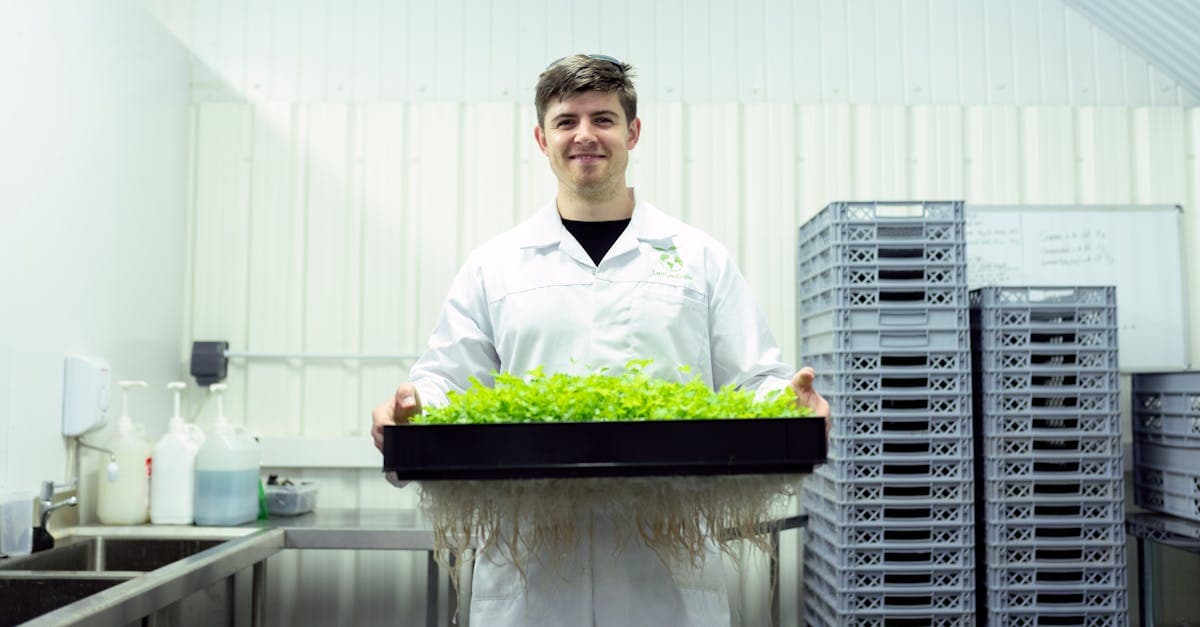
The Aquaponik ECF Farm is a pioneering urban agriculture project in Berlin that combines aquaculture (fish farming) and hydroponics (soilless plant cultivation) in a single closed-loop system. Located in the heart of the city, the ECF (Efficient City Farming) facility produces fresh fish and vegetables year-round using significantly less water, land, and energy than conventional agriculture. In the aquaponic cycle, nutrient-rich water from fish tanks is filtered and delivered to hydroponic growing beds, where plants absorb the nutrients as natural fertiliser, simultaneously purifying the water before it returns to the fish. This symbiotic system eliminates the need for synthetic fertilisers and drastically reduces water consumption — typically using up to 90 per cent less water than traditional farming methods. The ECF Farm demonstrates how food production can be integrated into dense urban environments, reducing the carbon footprint associated with long-distance food transport and refrigeration. The facility also serves as an educational and research platform, hosting school groups, university researchers, and urban planning professionals who study the potential of vertical and indoor farming for European cities. By producing locally grown, pesticide-free food within Berlin's city limits, the project contributes to food security, urban resilience, and the city's circular economy goals. The ECF Farm aligns with Berlin's smart city strategy by incorporating IoT monitoring of water quality, temperature, pH levels, and fish health, enabling data-driven optimisation of production cycles. As European cities increasingly explore localised food systems to reduce environmental impact and supply chain vulnerabilities, the Aquaponik ECF Farm stands as a scalable model for technology-enabled urban food production.