AI-Generated Summary
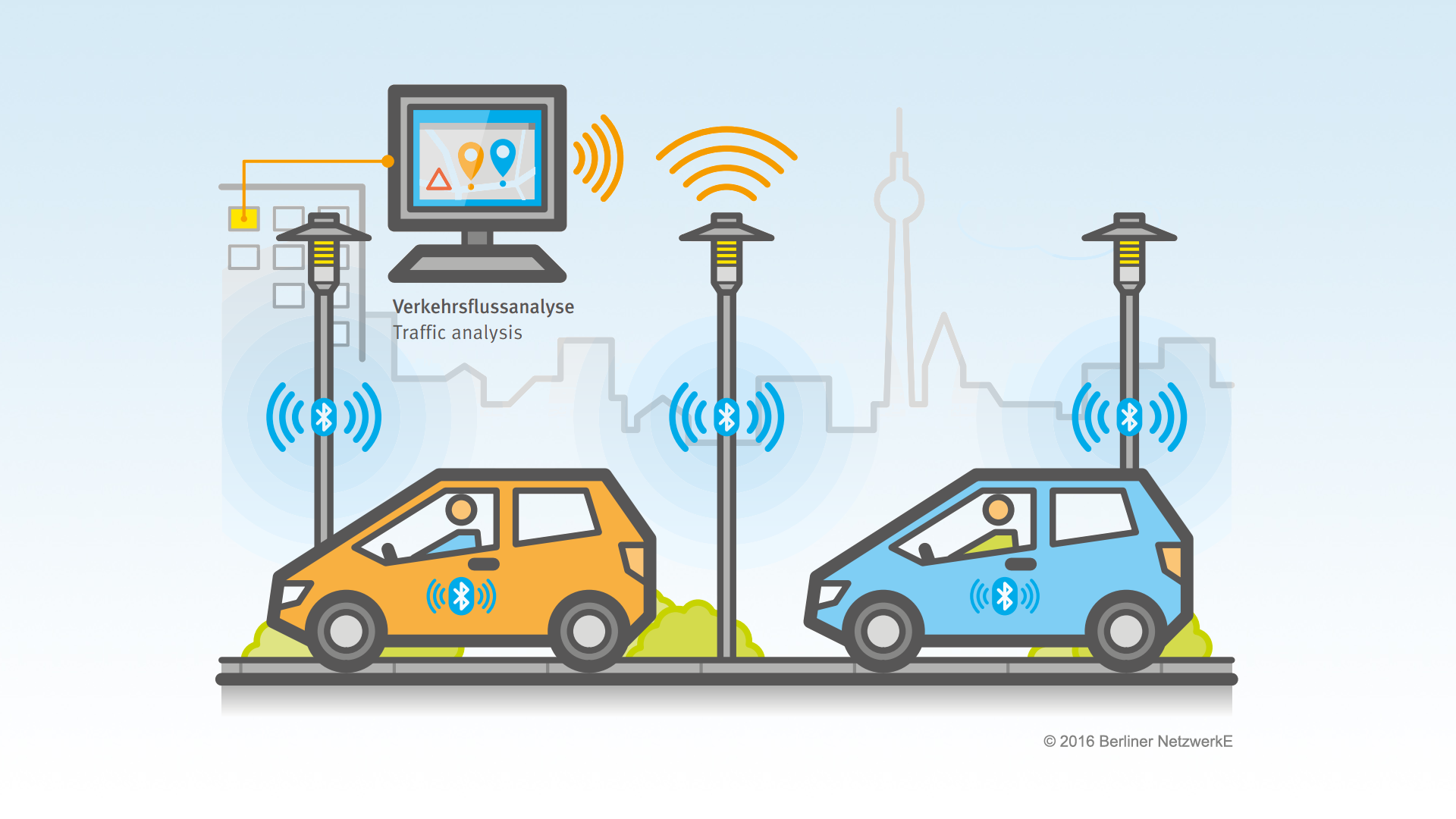
The Adlershof LED-Außenbeleuchtung project involves the large-scale deployment of energy-efficient LED outdoor lighting across Berlin's Adlershof technology and science park. Replacing older sodium vapour and halogen street lights with modern LED technology, the project significantly reduces energy consumption, carbon emissions, and maintenance costs while improving light quality, safety, and visual comfort for the district's residents, workers, and visitors. LED fixtures offer superior colour rendering, longer operational lifetimes, and the ability to dim or brighten on demand — features that are essential for smart city lighting strategies. The project is closely aligned with Berlin's broader smart city strategy and its ambitious climate neutrality targets. By transitioning to LED technology, the Adlershof district demonstrates how relatively straightforward infrastructure upgrades can deliver substantial environmental and economic benefits. Energy savings from LED retrofits typically range from 50 to 70 per cent compared to conventional lighting, and the reduced need for bulb replacements lowers ongoing maintenance expenditure for public utilities. Beyond basic energy efficiency, the Adlershof LED lighting project also explores the potential for intelligent lighting control systems. These include motion sensors that adjust brightness based on pedestrian and vehicle presence, integration with IoT networks for remote monitoring and fault detection, and adaptive lighting schedules that respond to seasonal changes and real-time conditions. Such smart lighting infrastructure can serve as a backbone for further IoT deployments, with lamp posts doubling as mounting points for environmental sensors, Wi-Fi access points, and electric vehicle charging stations. The project contributes to Adlershof's reputation as a living laboratory for sustainable urban technology and serves as a replicable model for other European districts.