AI-Generated Summary
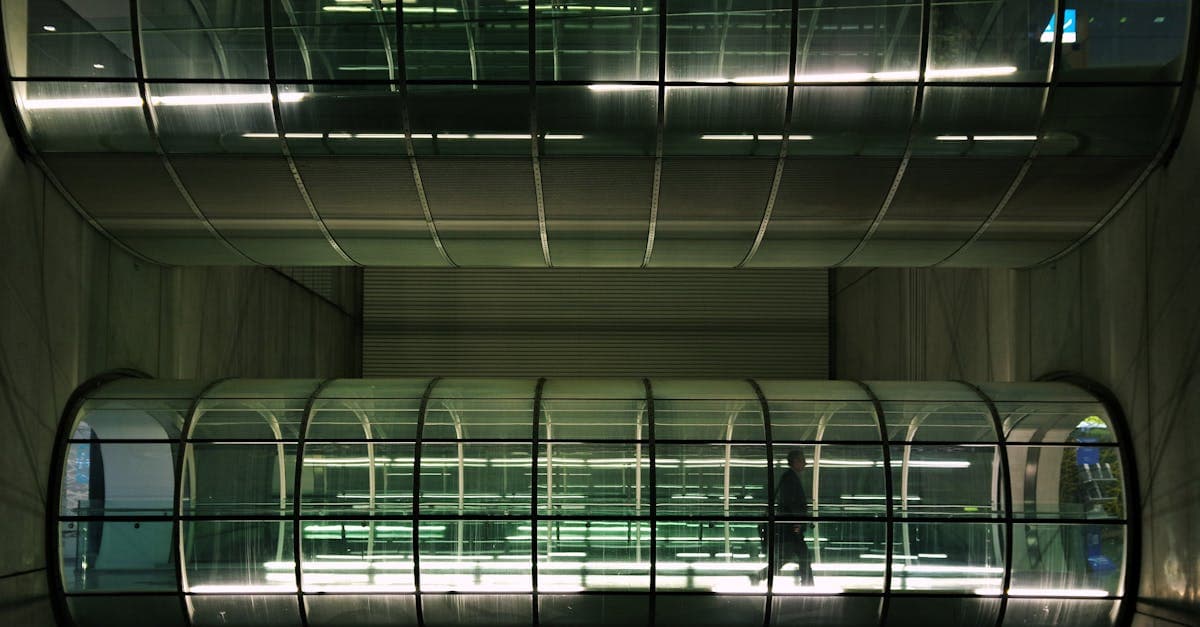
The Adlershof Gläsernes BHKW (Glass Combined Heat and Power Plant) is a transparent, publicly visible combined heat and power facility located in Berlin's Adlershof technology park. The term 'gläsern' (glass or transparent) refers both to the building's architectural design — featuring large glass panels that allow passers-by to observe the inner workings of the plant — and to the project's commitment to transparency in energy production. The facility generates both electricity and usable heat from a single fuel source through cogeneration, achieving significantly higher overall efficiency than conventional separate generation of heat and electricity. By capturing waste heat that would otherwise be lost, the plant reaches total efficiency levels well above 80 per cent, contributing directly to Berlin's carbon reduction targets. The Gläsernes BHKW serves a dual purpose as both a functioning energy supply facility and an educational showcase. Visitors, students, and researchers from the neighbouring Humboldt University departments and Adlershof's research institutes can observe decentralised energy generation in action, learning about cogeneration technology, energy efficiency principles, and the role of distributed energy systems in urban settings. This educational dimension supports Berlin's smart city strategy of fostering citizen understanding and engagement with sustainable infrastructure. Within the broader Adlershof energy network, the plant connects to local district heating systems and complements other renewable and efficient energy projects in the area, including the Energienetz Adlershof and the Smartgrid-Allianz. Together, these initiatives position Adlershof as a model district for integrated, intelligent, and transparent urban energy management in Germany and across Europe.