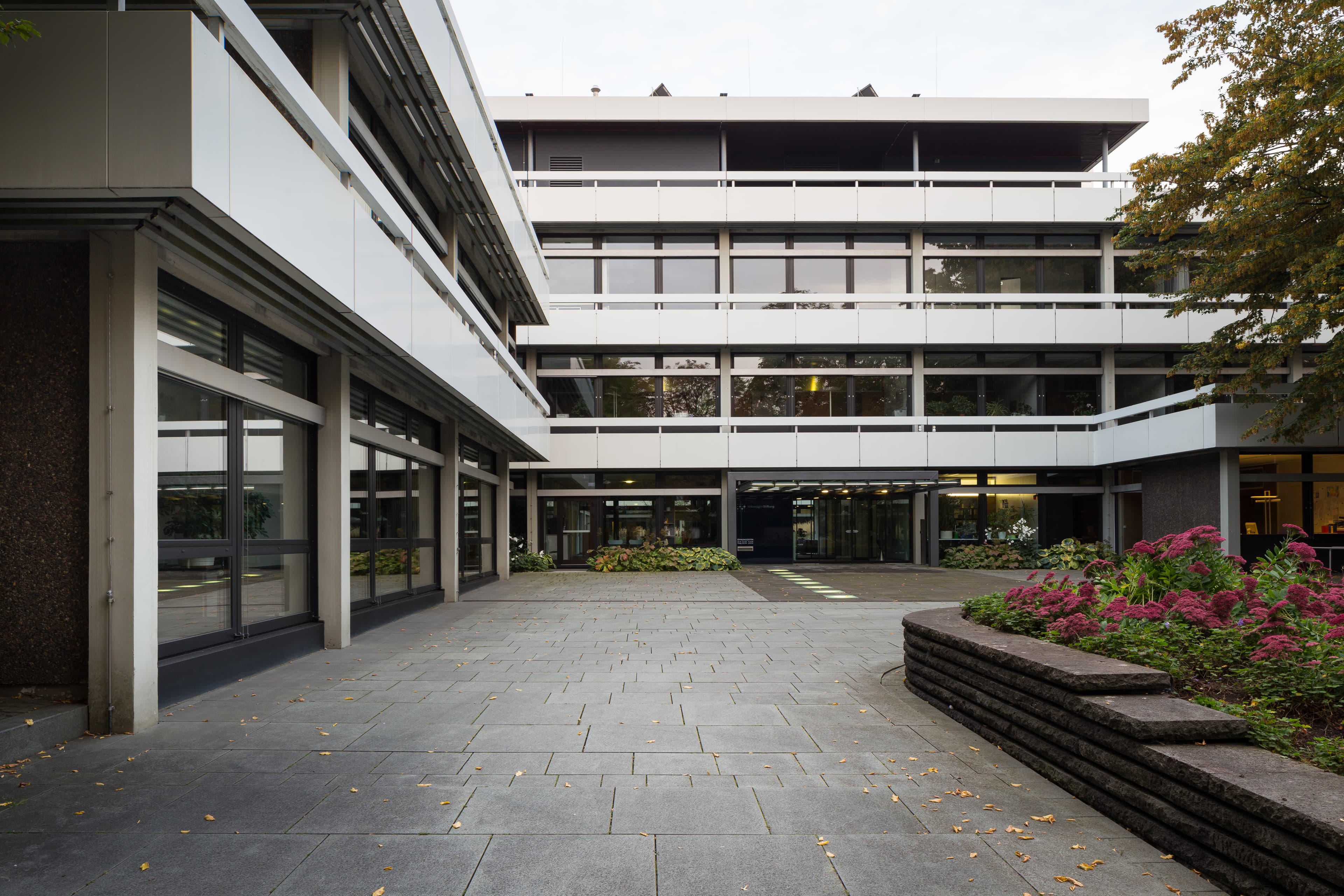
The Volkswagen Foundation, based in Hanover, Germany, is the country's largest private nonprofit research funding organization. Its existence traces back to post-World War II settlement of ownership disputes surrounding the Volkswagen plant. When the Volkswagenwerk GmbH was converted into a public corporation in 1961, proceeds from the privatization established the foundation, which began operations in 1962 with one billion deutschmarks in capital.
Despite its name, the foundation operates independently from the Volkswagen automobile manufacturer. Today it manages approximately 4.1 billion euros in assets and employs around 110 staff members across three main departments. In 2024, the foundation distributed nearly 730 million euros to research projects.
The organization funds research across humanities, social sciences, and natural and technical sciences both domestically and internationally. Its strategy rests on four principles: supporting innovative pilot projects, creating experimental spaces for risk-laden research, fostering transdisciplinary and international collaboration, and generating sustainable structural impacts within academia.
The foundation's approach deliberately favors unconventional projects that mainstream funders might reject. Its board of trustees, comprising 14 personalities from science and civil society, meets three times yearly to evaluate funding applications and strategic matters.
Beyond general research support, the foundation manages zukunft.niedersachsen, a joint initiative with Lower Saxony's government supporting the region's research institutions. This program received substantial funding, including a one-off 576.3 million euro dividend from Porsche AG's 2023 initial public offering. Since its inception, the foundation has allocated approximately 4.2 billion euros to over 30,000 projects.