The Schwäbisch Hall-Stiftung bauen-wohnen-leben, based in Schwäbisch Hall, Germany, was established in 1995 by the Bausparkasse Schwäbisch Hall AG as an independent nonprofit entity. Registered with the Stuttgart regional council, it focuses on domestic projects improving housing conditions through science, research, art, culture, and development cooperation.
Its funding targets nonprofit groups like associations and limited companies for both one-off initiatives and ongoing costs, excluding foreign projects. Past grants include a 2014 study on age-friendly neighborhood adaptations in Halle-Glaucha, led by Professor Heidi Sinning, and a 2013 exhibition at Frankfurt's Architecture Museum on multigenerational housing.
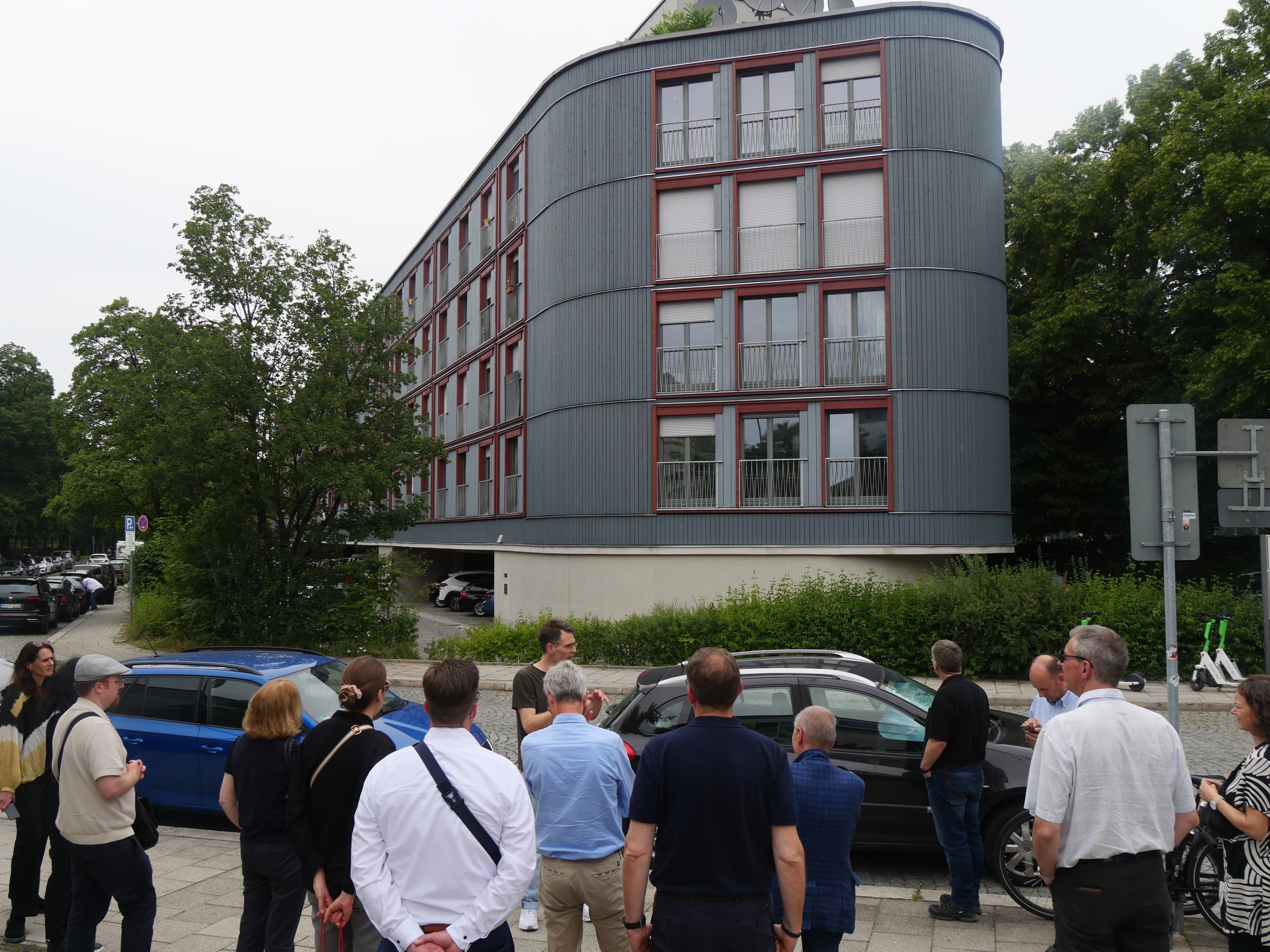
Recent activities feature expert excursions, such as one to the Ruhr region examining sustainable urban redevelopment, including the Emscher area's long-term transformation and Kerkrade's SUPERLOCAL project, which built 113 apartments from 95 percent recycled materials. In Munich, it highlighted overbuilt traffic structures like McGraw-Graben for new housing with green spaces, and rapid projects like Dante I and II, adding 100 units on former parking lots. Managed by Wim Buesink, the foundation organizes interdisciplinary exchanges among planners, policymakers, and finance experts to address housing shortages and climate goals.